What are MIDI Guitar Controllers?
MIDI guitar controllers are specialized instruments designed to bridge the gap between traditional guitar playing and the digital music production world. Unlike standard guitars, these controllers convert the vibrations and fret positions of the strings into MIDI data, which can then be used to trigger a vast array of virtual instruments and synthesizers within a digital audio workstation (DAW) or standalone software. This capability allows guitarists to explore sounds beyond the typical guitar tone, including pianos, synths, orchestral instruments, and more. As versatile midi controllers, they provide an alternative to the traditional midi keyboard or keyboard, making them a valuable addition to any music production setup.
Key Features of MIDI Guitar Controllers
Polyphonic Tracking with Hex Pickups
MIDI guitar controllers come packed with a variety of features that make them indispensable tools for modern guitarists seeking to expand their sonic horizons. One of the standout features is the use of hex pickups, which allow each string to be tracked individually. This precise tracking enables polyphonic MIDI output, meaning that chords and complex playing techniques such as hammer ons, slides, and bends are accurately captured and translated into MIDI data. This level of detail preserves the expressiveness and nuance of the guitar performance when controlling virtual instruments and digital instruments.
Onboard MIDI Converters and Software Integration
Another important feature is the integration of onboard MIDI converters or compatibility with external software solutions. These converters process the analog signals from the guitar and transform them into MIDI data that can be used to trigger a wide range of virtual instruments and synthesizers. Some models, like the Jamstik Studio MIDI Guitar, come with proprietary software such as Jamstik Creator, which offers real-time fretboard visualization, customizable settings, and a curated library of sounds optimized for the controller. This software often functions as a standalone app and can integrate with popular DAWs like Logic Pro, enhancing sound design capabilities.
Connectivity Options
Connectivity options are also a key consideration. Many MIDI guitar controllers offer USB-C and USB-A ports for wired connections, ensuring minimal latency and reliable performance. Bluetooth and USB receiver options provide wireless flexibility, though wired connections are generally preferred for professional studio and live environments to reduce latency. The inclusion of traditional 1/4″ outputs and neck pickup compatibility allows the guitar to be used as a standard electric instrument alongside its MIDI capabilities. Using a quality audio interface and USB A cable can further improve the signal quality and reduce latency.
Latency and Performance
Latency performance is a critical factor for MIDI guitar controllers. Top-tier models boast pitch conversion times averaging between 6ms to 15ms, vary depending on hardware specifications and setup. Proper guitar setup, including accurate intonation and action adjustment, further enhances tracking accuracy and reduces latency. Additionally, some controllers support MIDI Polyphonic Expression (MPE), allowing each string to control separate MIDI channels for more nuanced expression and control over sound parameters. Using wired connections instead of Bluetooth and minimizing the use of wireless gear can help reduce latency issues.
Ergonomics, Playability, and Portability
Ergonomics and playability also play a significant role. Many manufacturers offer left-handed models and ergonomic designs to accommodate different players’ needs, ensuring comfort during extended playing sessions. Portability is another feature that appeals to musicians who require a compact and lightweight instrument for gigging or traveling. The integration with guitar pedals and other gear in a musician’s kit is also an important consideration for live setups. Proper setup and use of a mouse or other control devices in software can help guitarists dive deep into customizing their sound and performance.
Best MIDI Guitars
Jamstik Core MIDI Guitar

- REAL ELECTRIC GUITAR + MIDI CONTROLLER A full-featured electric guitar with...
- EXPRESSIVE, ACCURATE MIDI TRACKING Designed to capture natural guitar...
- PLUG-AND-PLAY MIDI OVER USB-C OR TRS Connect directly to Macs, PCs...
The Jamstik Core MIDI Guitar is a versatile and innovative instrument designed for guitarists who want to integrate traditional playing with modern digital music production. This model features a compact and portable design, making it ideal for musicians on the go or those with limited studio space. Equipped with a high-quality hex pickup system, the Jamstik Core accurately tracks each string’s pitch and translates it into MIDI data with minimal latency, ensuring a responsive playing experience.
One of the standout features of the Jamstik Core is its seamless connectivity options. It supports both USB-C and Bluetooth connections, allowing users to plug directly into computers, tablets, or smartphones without the need for additional adapters or complex setups. This flexibility makes it compatible with a wide range of digital instruments and software, including popular DAWs like Logic Pro and standalone apps for Mac and Windows.
The Jamstik Core also integrates with the Jamstik Creator software, which offers a real-time virtual fretboard display, customizable settings, and a curated library of sounds tailored for the MIDI guitar experience. This software enhances the creative possibilities by enabling users to dive deep into sound design, experiment with different virtual instruments, and fine-tune the responsiveness of the controller.
Beyond its digital capabilities, the Jamstik Core maintains the feel and playability of a traditional guitar, featuring a well-crafted neck and fretboard that accommodate various playing styles. This balance between classic guitar ergonomics and cutting-edge MIDI technology makes it an excellent choice for both beginners and experienced guitarists looking to expand their sonic palette.
AeroBand Smart Guitar

- [Diverse Tones and Pitches]—This smart guitar offers up to 12 tones and...
- [Thoughtful Silent Design]—The acoustic electric guitar features a 3.5mm...
- [Pain-Free String Design] – The guitar uses high-quality silicone strings...
The AeroBand Smart Guitar represents a new wave of MIDI guitar controllers designed to merge traditional guitar playing with modern digital capabilities seamlessly. This innovative instrument features advanced hex pickup technology that captures the pitch of each string with remarkable precision, enabling polyphonic MIDI output that faithfully translates complex playing techniques such as chords, hammer ons, slides, and bends into MIDI data.
Equipped with both USB-C and Bluetooth connectivity options, the AeroBand Smart Guitar offers versatile integration with various devices, including computers, tablets, and smartphones. This flexibility ensures minimal latency during performance and recording, making it suitable for both studio sessions and live gigs. The guitar also includes a standard 1/4″ output, allowing players to use it as a conventional electric guitar alongside its MIDI functions.
One of the standout features of the AeroBand Smart Guitar is its compatibility with a broad range of virtual instruments and DAWs, providing guitarists the freedom to explore diverse sounds from synths to orchestral instruments. Its ergonomic design and balanced weight distribution contribute to comfortable playability, whether practicing at home or performing on stage.
The AeroBand Smart Guitar often comes bundled with dedicated software that offers real-time fretboard visualization, customizable MIDI mapping, and a curated library of sounds optimized for the instrument. This software enhances creative possibilities by enabling users to dive deep into sound design and tailor the guitar’s responsiveness to their playing style.
With its combination of cutting-edge MIDI technology, versatile connectivity, and player-friendly design, the AeroBand Smart Guitar is an excellent choice for musicians seeking to expand their sonic palette while maintaining the feel and expressiveness of a traditional guitar.
Roland GK-3 Guitar Divided Pickup
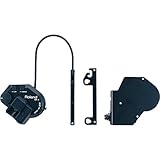
- Mounts easily on any steel-stringed electric without damage to guitar
- Features an adjustable curve design and pickup cable length
- Includes attachment plate for Les paul-type guitars
The Roland GK-3 Guitar Divided Pickup is one of the most recognized and widely used MIDI pickup systems in the market, offering guitarists a reliable way to convert their instrument’s string vibrations into MIDI data. Designed to be mounted near the guitar’s bridge, the GK-3 pickup captures the vibrations of each string individually, enabling polyphonic tracking and precise pitch detection.
This system is particularly favored for its compatibility with a broad range of Roland MIDI guitar synthesizers and processors, such as the GR-55 and VG-99, which provide extensive sound design options and realistic instrument emulations. The GK-3 pickup uses a 13-pin cable interface that transmits detailed string information to the synthesizer, allowing for fast and accurate pitch-to-MIDI conversion.
Installation of the GK-3 is straightforward for most electric guitars, requiring mounting the pickup on the guitar body and connecting it to the synthesizer or MIDI converter unit. The pickup’s design ensures minimal interference with the guitar’s natural tone and playability, preserving the feel of a traditional electric guitar while expanding its sonic capabilities.
Latency with the Roland GK-3 system is generally low, though it can vary depending on the connected synthesizer and processing unit. The system excels at capturing expressive playing techniques such as slides, vibrato, hammer ons, and pull offs, translating them into MIDI messages that enhance the musicality of virtual instruments.
While the Roland GK-3 is a wired solution and does not offer wireless connectivity like some newer systems, its robust build quality and proven performance make it a popular choice among professional musicians and hobbyists alike. It is especially suitable for players who want to integrate classic guitar synth sounds with their existing gear or explore new textures without sacrificing traditional guitar playability.
Fishman TriplePlay Bridge Wireless MIDI Pickup

- Easy and non-invasive installation on most 6-string guitars
- Wireless MIDI connection
- The fastest, most accurate, and most responsive real-time guitar...

The Fishman TriplePlay Bridge Wireless MIDI Pickup is a pioneering solution in the world of MIDI guitar technology, offering wireless connectivity and high-precision tracking that has made it a favorite among guitarists seeking to expand their sonic capabilities. This pickup system mounts discreetly on the guitar’s bridge, preserving the instrument’s natural aesthetics while providing advanced MIDI functionality.
One of the standout features of the TriplePlay system is its wireless USB receiver, which allows seamless connection to computers and MIDI-compatible devices without the clutter of cables. This wireless setup significantly reduces latency and interference, ensuring that the MIDI data transmitted is both accurate and timely, which is crucial for live performances and studio recording.
The TriplePlay uses a hex pickup design, enabling polyphonic tracking by detecting the pitch of each string individually. This allows guitarists to play complex chords, hammer ons, slides, and bends with expressive nuance, translating these techniques into detailed MIDI data that can control a wide range of virtual instruments and synthesizers.
Compatibility is another strong point of the TriplePlay system. It works well with various guitar models, both electric and acoustic, and integrates smoothly with popular DAWs and music software. The system comes with dedicated software that provides real-time fretboard visualization, customizable MIDI mapping, and a library of virtual instruments, empowering users to dive deep into sound design and tailor their setup to their unique playing style.
Installation is relatively straightforward, with the pickup attaching to the bridge and the wireless transmitter discreetly mounted on the guitar. The system is powered by rechargeable batteries, offering several hours of continuous use, making it suitable for both practice sessions and extended gigs.
Conclusion
MIDI guitar controllers open up a world of sonic possibilities, transforming the guitar into a versatile gateway for exploring virtual instruments and innovative soundscapes. By seamlessly blending traditional playing techniques with cutting-edge technology, these instruments empower musicians to push creative boundaries and redefine their musical expression in both studio and live environments.
FAQ
How does a MIDI guitar controller work?
MIDI guitar controllers typically use hex pickups that detect the pitch of each string individually. The signals are processed by an onboard MIDI converter or external software to translate the guitar performance into MIDI notes and control messages. This process enables polyphonic output, capturing complex playing techniques such as chords, hammer ons, slides, and bends.
What are the advantages of using a MIDI guitar controller?
Using a MIDI guitar controller allows guitarists to expand their sonic palette by triggering virtual instruments like pianos, synths, and orchestral sounds. It also enables seamless integration with digital audio workstations (DAWs) for recording and sound design, making it a versatile tool for both studio and live performances.
How can I reduce latency when using a MIDI guitar controller?
Latency can be minimized by using wired connections such as USB-C or USB-A cables instead of Bluetooth, ensuring proper guitar setup with accurate intonation and action, and using high-quality audio interfaces and software optimized for low-latency performance.
Can MIDI guitar controllers be used for live performances?
Absolutely. Many controllers offer wireless connectivity and robust build quality suitable for stage use. They enable guitarists to trigger complex sounds and effects in real time, expanding creative possibilities during live shows.