Introduction to Church Sound Systems
A church sound system is the backbone of any worship experience, ensuring that every word, song, and instrument is heard clearly throughout the sanctuary. At the center of this system is the mixing console, which manages all audio inputs and outputs, balances microphone levels, and handles routing to speakers and recording devices. Achieving great sound quality is essential for creating an engaging and distraction-free environment, whether your church is large or small. The complexity of a mixing console can determine the size of the tech team and the willingness of volunteers to participate, so it’s important to choose a system that matches your team’s capabilities. Training for the team is also crucial to ensure great sound quality during church services, as it helps operators make the most of the equipment.
With so many mixing consoles available, from traditional analog boards to advanced digital consoles, it can be challenging for church techs to determine which mixer best fits their needs. Analog consoles offer simplicity, but digital mixers have become the go-to choice in the digital world thanks to their flexibility, compact size, and great features. Many digital soundboards allow for wireless remote control from a tablet, enabling tech teams to make adjustments from anywhere in the sanctuary. Digital mixing consoles allow for easy scene recall, motorized faders, and SD card recording, making them especially appealing for small churches with limited space and volunteers who need intuitive operation. QSC TouchMix consoles, for example, combine big digital features in a compact size, making them ideal for portable churches.
Why do I need a Digital Mixer for Church?
Digital mixing has revolutionized the way sound is managed in live environments, including churches. Unlike analog consoles, digital mixers offer a complete package of great features such as presets, motorized faders, and extensive routing options. These consoles allow users to save and recall settings via SD cards or computer integration, making them ideal for churches that require consistency and efficiency from service to service. However, the learning curve for digital mixers can be steeper than that of analog mixers, requiring more technical knowledge and training for operators.
Basically, digital mixers are ideal for church environments because they combine flexibility, ease of use, and advanced features in a compact form. One of the biggest advantages of digital mixers is their compact design, which makes them perfect for a small church with limited space on stage or in the sound room. Having enough channel capacity is crucial, as it allows a small church to connect various audio sources like microphones, instruments, and playback devices without running out of inputs. For small churches, Allen & Heath ZED-series mixers are a rugged, dependable, and economical option that meets these needs effectively.
Features of Digital Mixers
Preset Saving and Recall
Digital mixers are packed with a variety of features that make them highly adaptable and efficient for church sound systems. One of the standout features is the ability to save and recall presets, which allows sound techs to quickly switch between different configurations tailored for specific songs, events, or speakers. This feature is especially helpful in churches that host multiple types of services or events throughout the week.
Motorized Faders for Precision Control
Motorized faders are another key feature that provides precise control over audio levels. These faders automatically adjust to saved settings when switching scenes, reducing the need for manual tweaking and helping maintain consistency in sound quality. This is particularly beneficial for volunteer operators who may not have extensive experience with mixing consoles.
Extensive Routing Capabilities
Digital mixers also offer extensive routing capabilities. This means that audio signals can be sent to various outputs such as main speakers, stage monitors, recording devices, or broadcast feeds, all from one central console. This flexibility supports complex setups and ensures that every part of the congregation and production team hears exactly what they need.
Built-in Effects and Processing
Many digital mixers come with built-in effects like reverb, delay, and compression, which can enhance the overall sound without requiring additional external processors. These effects are generally adjustable, allowing techs to tweak parameters to suit the acoustics of the room and the style of music or speech.
SD Card Recording Integration
Another important feature is the integration of SD card recording. This allows churches to easily record services or special events directly from the mixer, providing a convenient way to archive audio or create content for online streaming and distribution.
User-Friendly Interfaces
User-friendly interfaces are common in modern digital mixers, often featuring touchscreens, color-coded controls, and customizable layouts. These design elements make it easier for church techs and volunteers to navigate the mixer’s functions quickly and confidently, minimizing errors during live services.
Remote control capabilities
Remote control capabilities are increasingly popular, enabling sound techs to mix from different locations within the sanctuary using tablets or smartphones. This mobility helps address sound issues on the fly and provides greater flexibility during worship.
Compact Size and Input Capacity
Lastly, the compact size of many digital mixers makes them ideal for churches with limited space. Despite their small footprint, these mixers are generally packed with inputs and outputs, supporting a wide range of audio sources without compromising on sound quality or functionality.
Key Features to Look for in a Church Digital Mixer
When selecting the best digital mixer for your church, several factors should be considered to ensure you get the most out of your investment. First, verify the compatibility of the mixer with your existing gear, including speakers and other sound system components. A mixer that integrates seamlessly with your current setup will save you time and reduce technical issues during live services. The quality of the preamps is also essential, as superior preamps contribute to clearer, more professional sound quality. Additionally, churches should consider future growth requirements when choosing a soundboard, as investing in a scalable system can save money and effort in the long run.
Motorized faders are another feature that church techs widely appreciate. They allow for smooth and precise control over audio levels, and the ability to recall settings instantly can be a game-changer during busy services. Additionally, look for mixers that offer intuitive control surfaces and user-friendly interfaces, which make operating the desk easier for volunteers who may not have extensive audio experience.
Presets and Onboard Effects
Presets and onboard effects such as reverb can enhance your church’s sound, adding depth and ambiance to vocals and instruments. The EQ capabilities of a mixer, including the number of bands and sweepable mids, are also important for shaping and controlling the tonal quality of your audio. Routing flexibility is also crucial, as it lets you send audio signals to various outputs, including monitors and recording devices, ensuring everyone in the room hears the best possible sound.
Church Size and Worship Service Complexity
Selecting the right digital mixer for your church involves several important factors that can influence the sound quality, usability, and long-term satisfaction with your investment. One of the first considerations is the size of your church and the complexity of your worship services. A small church with a simple setup may only need a compact mixer with fewer channels, while larger churches with multiple instruments, vocalists, and multimedia needs will require mixers with more inputs and advanced routing capabilities.
Budget Considerations
Budget is another critical factor. While digital mixers offer many great features, they come in a wide range of prices. It’s important to find a balance between cost and functionality, ensuring you get a mixer that meets your current needs without overspending on features you may not use. However, investing a bit more upfront for a mixer that supports future growth can save money and hassle down the line.
Skill Level of Sound Team
The skill level of your sound team, including volunteers and staff, should also guide your choice. Some digital mixers can be quite complex, requiring training and experience to operate effectively. Choosing a mixer with an intuitive interface and user-friendly controls will help your team respond confidently during live services. Features like presets and scene recall can simplify operation, allowing less experienced users to achieve consistent great sound quality.
Compatibility with Existing Sound System
Compatibility with your existing sound system is essential. Verify that the mixer supports the types of inputs and outputs your church uses, and that it integrates smoothly with your speakers, microphones, and recording equipment. This compatibility helps avoid costly additional gear and technical issues.
Physical Space and Remote Control
Consider the physical space available for your mixer. Compact and portable digital mixers are ideal for small churches or venues with limited room in the sound booth or on stage. Additionally, remote control capabilities via tablets or smartphones can offer flexibility, allowing techs to adjust mixes from anywhere in the sanctuary.
Essential Mixer Features
Finally, evaluate the mixer’s features such as motorized faders, onboard effects like reverb, and SD card support for saving settings and recordings. These features enhance the mixing experience and provide valuable tools for producing professional-quality sound in your church services.
Avoiding Common Mistakes
Taking the time to assess these factors carefully will help you avoid the common mistake of purchasing a mixer that doesn’t fit your church’s unique needs. By doing so, you ensure that your investment contributes positively to the worship experience and supports your ministry’s growth for years to come.
Top Digital Mixers for Churches
Behringer 32 40-Input 25-Bus Digital Mixing Console

- 40-input channel, 25-bus digital mixing console for Studio and Live...
- 32 MIDAS-designed, fully programmable mic preamps for audiophile sound...
- 25 Fully automated motorized 100 mm faders allow for instant overview...

The Behringer X32 is one of the most widely used digital mixers in churches around the world, known for its affordability and extensive feature set. With 32 channels and 40 inputs, it offers ample capacity to handle a full worship band, multiple vocalists, and additional audio sources. The 25 buses provide flexible routing options, allowing sound techs to customize mixes for front-of-house, monitors, recording, and broadcast needs. While the X32 is a popular choice, Midas M32 consoles offer superior preamps and robust features, making them a strong alternative for churches seeking even higher sound quality.
One of the standout features of the Behringer X32 is its Midas-designed preamps, which deliver clear and professional sound quality that rivals much more expensive consoles. The mixer also includes motorized faders, allowing for smooth and precise control over audio levels, and the ability to save and recall scenes simplifies setup for recurring services and events.
The X32 supports remote control via tablets and smartphones, enabling techs to adjust mixes from anywhere in the sanctuary. This mobility is especially valuable in larger churches or venues where sound adjustments need to be made on the fly during live worship.
Additionally, the console offers built-in effects such as reverb, delay, and compression, which can be applied to channels without requiring external processors. Its multitrack recording capability lets churches capture services directly to a computer or SD card for archiving or online streaming.
Despite its robust feature set, the Behringer X32 is designed to be user-friendly, making it accessible for church techs with varying levels of experience. It strikes a balance between professional-grade sound and affordability, making it an excellent choice for churches looking to upgrade their sound system without breaking the budget.
Tascam DP-24SD 24-Track Digital Portastudio Multi-Track Audio Recorder

- Item Package Dimension: 23.97L x 17.49W x 7.49H inches
- Item Package Weight - 15.74 Pounds
- Item Package Quantity - 1
The Tascam DP-24SD is a versatile digital portastudio that combines the functionality of a digital mixer and a multi-track recorder, making it a valuable tool for churches looking to record and mix their worship services with ease. With 24 tracks available, it offers ample capacity for capturing multiple microphones and instruments simultaneously, which is particularly useful for churches with full bands or choirs.
One of the key advantages of the DP-24SD is its standalone operation, meaning it does not require a computer to function. This makes it ideal for churches that prefer a straightforward, reliable recording solution without the complexity of computer-based systems. The device features a built-in mixer with 24 channels, each equipped with EQ, compression, and reverb effects, allowing church techs to shape the sound directly on the unit.
The DP-24SD supports recording to an SD card, providing easy storage and transfer of audio files for post-production or online distribution. Its intuitive interface includes a large LCD screen and physical faders, making it accessible for volunteers and staff who may not have extensive audio engineering experience.
In addition to its recording capabilities, the DP-24SD functions as a digital mixer during live services, enabling real-time mixing of audio inputs for the sanctuary sound system. This dual functionality makes it a cost-effective choice for churches that want both mixing and recording in one compact device.
Compatibility with various microphones and instruments is ensured through its combination of XLR and 1/4-inch inputs, and the unit also offers USB connectivity for easy file transfer to computers for further editing. Overall, the Tascam DP-24SD provides an affordable, user-friendly solution for churches seeking a reliable digital mixer and multi-track recorder that supports both live sound and high-quality recordings.
Zoom LiveTrak L-20
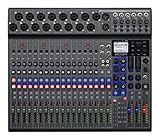
- TWENTY CHANNELS FOR YOUR BIGGEST SHOWS – Simultaneously records 22 tracks...
- SIX INDEPENDENT MONITOR MIXES – Delivers six independent headphone and...
- TWENTY ONBOARD EFFECTS, -128DBU EIN PREAMPS – Equipped with -128dBu EIN...
The Zoom LiveTrak L-20 is a versatile digital mixer designed for live sound and recording applications, making it a solid choice for churches of various sizes. It offers 20 channels, including 16 mic/line inputs, which provide ample connectivity for a typical worship band setup. The mixer is particularly well-suited for churches that want to combine live mixing with multitrack recording capabilities, as it allows simultaneous live mixing and recording to an SD card or computer via USB.
One of the standout features of the LiveTrak L-20 is its user-friendly interface, which includes dedicated channel faders, physical knobs for EQ and effects, and an intuitive touchscreen display. This combination makes it accessible to both experienced church techs and volunteers who may be newer to digital mixing. The mixer also supports customizable monitor mixes, enabling musicians on stage to have their own tailored audio experience through in-ear monitors or stage wedges.
The LiveTrak L-20 includes built-in effects such as reverb and compression, which help enhance the overall sound without requiring additional external processors. Its portability and compact design make it ideal for churches with limited space or those that need to move their sound system between different rooms or venues.
In addition to its mixing capabilities, the Zoom LiveTrak L-20 excels as a recording interface, allowing churches to capture high-quality multitrack recordings of services, rehearsals, or special events. This feature is valuable for churches that want to produce podcasts, live streams, or archival recordings with professional sound quality.
Yamaha MG16XU 16-Input 6-Bus Mixer with Effects

- 16-Channel mixer with USB and SPX digital effects
- Featuring studio-grade discrete class-A D-PRE preamps with inverted...
- 3-band EQ and high-pass filters give you maximum control and eliminate...
The Yamaha MG16XU is a versatile analog mixer that offers a robust set of features suitable for small to medium-sized churches. With 16 inputs and 6 buses, it provides ample connectivity for a typical worship band setup, including microphones, instruments, and playback devices. One of its standout features is the onboard SPX digital effects processor, which includes a variety of reverb, delay, and modulation effects that can enhance the overall sound during services.
This mixer is known for its high-quality preamps, which deliver clear and transparent audio, ensuring that vocals and instruments sound natural and well-defined. The MG16XU also includes a built-in USB interface, allowing for direct connection to a computer for recording or playback, which is beneficial for churches that want to capture their services or stream live audio.
Its compact and durable design makes it suitable for churches with limited space, and its intuitive layout allows church techs and volunteers to operate the mixer with ease. While it is an analog mixer, the integration of digital effects and USB connectivity bridges the gap between traditional and modern sound systems, providing a great balance of simplicity and advanced features.
Conclusion
Choosing the best digital mixers for church use is a critical decision that impacts the overall worship experience. By understanding the unique needs of your church, including room size, number of inputs, and volunteer expertise, you can select a mixer that balances great sound quality with ease of use. Digital mixers offer numerous advantages over analog consoles, such as presets, motorized faders, and flexible routing, making them ideal for churches looking to enhance their sound system.
FAQ
What is the best digital mixer for a small church?
The best digital mixer for a small church depends on your specific needs, including the number of inputs required, budget, and ease of use for your tech team. Compact mixers are popular choices because they offer a good balance of features, affordability, and user-friendly interfaces.
How many channels do I need on a digital mixer for church use?
The number of channels needed depends on the size of your worship team and the variety of instruments and microphones used during services. It’s important to consider both current and future needs. A small church might need 16 to 24 channels, while larger churches or those with more complex setups may require 32 channels or more.
Is it better to choose an analog or digital mixer for a church sound system?
Both analog and digital mixers have their advantages. Analog mixers are often simpler and easier for volunteers to operate but lack the advanced features of digital mixers. Digital mixers offer greater flexibility, presets, effects, and remote control but may require more training. The choice depends on your church’s size, tech expertise, and budget.
How important is compatibility with existing church sound gear?
Ensuring that your new digital mixer is compatible with your existing speakers, microphones, and other audio equipment is crucial for a smooth integration. Compatibility reduces technical issues and can save costs by allowing you to reuse some of your current gear.
What should I consider about future growth when purchasing a digital mixer?
Selecting a mixer with more channels and features than you currently need can accommodate your church’s growth and evolving audio needs. Investing in a scalable system helps avoid costly upgrades in the near future.