What Are Practice Amps?
Practice amps are compact guitar amplifiers, often taking the form of a guitar combo amplifier, designed specifically for home practice and low volume playing guitar sessions. Unlike larger gigging amps or power amps, practice amps are built to deliver sound good quality at lower volumes, making them ideal for bedrooms, apartments, or any environment where noise complaints might be a concern. Most practice amps feature a small speaker, usually ranging from 6 to 12 inches, which contribute to their compact size and portability. Most practice amps are small and have low wattage, making them ideal for home use without noise complaints. A smaller speaker can impact the amp’s bass response and low-end fullness, but still provides balanced tone quality at low volumes.
The power rating of a practice amp indicates its wattage and helps determine how much more volume it can produce, as well as its suitability for different environments with higher power ratings generally mean more volume, which can be useful for small jam sessions or louder practice needs. For home practice, 20 watts is generally sufficient, while 50 watts is better for jamming with others.
These amps often come with useful features such as built in tuner, headphone jack for silent practice, aux input for playing along with backing tracks, built in reverb or digital reverb effects to add depth to your guitar tones, amp modeling for accessing a variety of classic amp sounds, and USB connectivity for recording or software updates. Many practice amps include three band EQ or band EQ controls allowing you to shape your sound across bass, mid range, and treble frequencies. Models with a tuner and metronome help develop timing and improve practice sessions. For portable use, some models offer a rechargeable battery, making them convenient for travel or outdoor practice. This flexibility makes them suitable for various musical styles and playing techniques.
Types of Practice Amps
There are several types of guitar amps to consider for practice, each with its own advantages depending on your preferences and playing style. Most amps offer a basic set of features, but some provide greater tonal versatility and customization. Modeling amps, in particular, are known for their ability to replicate a wide range of sounds and effects, making them suitable for exploring different musical genres. Players frequently recommend the Yamaha THR series for its combination of sound quality and portability, making it a standout choice for home practice. The Yamaha THR-II is celebrated for its compact design and high-quality sound at low volumes, making it excellent for practice.
Solid State Amps
Solid state amps use transistor-based circuitry instead of tubes. They are generally more affordable, lightweight, and reliable. Many practice amps fall into this category because of their compact design and low maintenance requirements. Solid state amps provide clean tones and can handle high gain tones well, especially models designed with overdrive channels.
Tube Amps
Tube amps remain popular for their warm, organic sound and natural compression. While traditionally larger and heavier, some manufacturers now offer smaller tube amps ideal for home practice. A tube amp can deliver great tone with rich harmonics, making it a favorite among guitarists who prioritize sound quality. The Marshall DSL1CR, a 1-watt tube amp, provides classic tube tones at lower volumes, making it an excellent option for home practice.
Modeling Amps and Amp Modelers
Modern amps often include digital amp models that simulate the sound of various classic and modern guitar amplifiers. Amp modeling is the technology behind these simulations, allowing players to access a wide variety of authentic amp tones and artist presets. Modeling amps offer a huge range of guitar tones, from clean tones to high gain amps, all in one device. Compared to other amps, such as traditional tube or solid state models, modeling amps provide greater versatility and the ability to experiment with different sounds without buying multiple amps. Some popular modeling amps include the Boss Katana Mini, Fender Mustang, and Positive Grid Spark amp.
Key Features of Practice Amps
Practice amps come equipped with a variety of features designed to enhance your guitar playing experience and make home practice more enjoyable and effective. Understanding these key features will help you choose the best practice amps that suit your needs.
Amp Modeling and Amp Models
One of the standout features in many modern practice amps is amp modeling technology. This allows the amp to digitally emulate the sounds of various classic and contemporary guitar amplifiers. With amp models built in, you can access a wide range of guitar tones—from sparkling clean tones to rich, high gain tones—without needing multiple physical amps. This versatility is especially beneficial for players who want to experiment with different sounds and musical styles without investing in a large collection of gear.
Speaker Size and Combo Amp Design
Most practice amps feature small speakers, typically between 6 and 12 inches in diameter. The speaker size influences the overall sound quality and tonal characteristics. Smaller speakers tend to produce a more focused midrange and treble response but may have less bass presence compared to larger speakers. Combo amps, which combine the amplifier and speaker in one compact unit, are popular for practice due to their portability and convenience. However, smaller speakers in practice amps can make the sound perceived as thinner, affecting tone quality at high volumes when playing with other instruments.
Built-in Effects and Digital Reverb
Many practice amps include built-in effects such as overdrive, delay, chorus, and digital reverb. These effects add depth and character to your guitar tones, allowing you to create a more immersive playing experience. Having effects built into the amp means you don’t need additional pedals, making your practice setup simpler and more streamlined. The trend for many budget practice amps is to offer a variety of built-in effects for added versatility, catering to players who want to experiment with different sounds.
Connectivity Options: Headphone Jack, Aux Input, and USB
Connectivity features are essential for modern practice amps. A headphone jack enables silent practice, allowing you to play without disturbing others—a crucial feature for home use in shared spaces or apartments. The aux input lets you connect external audio devices, such as smartphones or music players, so you can jam along with your favorite songs or backing tracks. USB connectivity is increasingly common, allowing direct recording to your computer or integration with software for tone customization and firmware updates. Many practice amps come with USB connectivity for direct recording into DAWs, making them a practical choice for home recording setups.
Power Rating and Volume Control
Practice amps typically have lower wattage ratings, usually ranging from 5 to 20 watts, which is sufficient for home use. Many models also feature master volume and gain controls that let you adjust the loudness and distortion levels independently. Some amps include power attenuation, allowing you to reduce the output wattage to achieve great tone at very low volumes, which is ideal for quiet practice sessions.
Portability and Battery Power
For players on the go, some practice amps are designed to be battery powered, offering portability and convenience for practicing anywhere without the need for a power outlet.
Additional Features: Built-in Tuner, Three Band EQ, and Effects Loop
Additional practical features often found on practice amps include a built-in tuner for quick and accurate tuning, a three band EQ (bass, mid, treble) for precise tone shaping, and an effects loop that allows you to insert external effects pedals into the signal chain after the preamp stage. These features give you greater control over your sound and enhance the versatility of your practice amp.
Top Practice Amps
Yamaha THR30II Wireless Desktop Amp
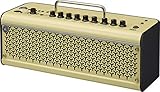
- Realistic tube-amp tones and feel plus essential effects
- 15 Guitar amps, 3 bass amps, 3 mic models for acoustic-electrics, and flat...
- Bluetooth support for audio playback, editing via THR Remote, and more

The THR30II is a desktop-friendly guitar amplifier by Yamaha, designed to meet the needs of current computer-based home studios. This amp is still in demand, especially now that home recording via computer is the norm.
THR10 II’s powerful virtual circuitry modelling allows it to capture tube amp-like guitar tones. The THR10 II’s amp emulation and built-in sound effects are exactly what you need to make your guitar practise sessions simple and enjoyable. This combo amp’s sound is also louder than cabinets with similar ratings. It demonstrates Yamaha’s in-depth awareness of the needs of a rapidly developing community of guitarists.
With the THR Remote app installed on your phone, controlling the many presets, EQ settings, effects, and emulations is a breeze. Instead of utilizing the physical knobs, you can adjust your tone using a smartphone touchscreen. Of course, the amp’s variety of buttons and dials on top may be used to fine-tune it. I also appreciate the thought of no longer having to rely on electricity outlets. This amp already has a rechargeable battery, making it ideal for touring guitarists.
It features the same Virtual Circuitry Modeling (VCM) technology seen in previous THR amplifiers, which employs component modelling to improve realism. 15 guitar amp versions, 3 bass amp models, 3 mic models, and a flat mode are among the sonic options. Built-in reverb, delay, and modulation effects, as well as Bluetooth compatibility and USB direct recording, are among the other features.
Despite its high price, the THR10 II Wireless is one of the best amplifiers you can buy for your home. It’s a fantastic recording tool, with a great-sounding amp emulator, wireless connectivity, superb portability, and incredible playback. This is the Best Practice Amp in 2026.
Marshall Code 25

- Authentic modelling of Marshall tones with pro quality FX
- 14 MST preamps, 4 MST power amps, and 8 MST speaker cabinets
- Connect via Bluetooth to stream music from your iOS or Android device
It’s one thing to have the perfect practice combo amp; it’s quite another to have access to a multitude of inspiring sounds in a budget-friendly package. With over 100 high-quality presets to supercharge your creations at home, on the road, or in the studio, the Marshall Code 25 digital combo amp meets this description to a tee.
With 25 watts and a full-bodied 10-inch speaker, you may mix and match digitally modeled preamps, power amps, and speaker-cab emulations to your heart’s content for superb results at bar shows and small club gigs. With a silent headphone amp to keep the neighbor’s happy, it’s no wonder that the Marshall Code 25 is on our list of the best beginner amps this year.
Combine 14 preamps, 4 power amps, and 8 speaker cab emulations to create the ideal tone for any song, from sparkling clean to vintage Marshall crunch to high-gain metal mayhem. Then save any of the 24 digital effects, such as velvety reverb, shimmering chorus, or classic overdrive pedal versions, for quick recall during practise or onstage.
When you’ve created as many iconic guitar amplifiers as Marshall modeling amps has, it’s only natural to want to put those tones to good use. Why model other people’s amplifiers when you can have preamp models of the JCM800, Bluesbreaker Plexi, and Silver Jubilee? This is another example of the “best hits” approach; why model other people’s amplifiers when you can have preamp models of the JCM800, Bluesbreaker Plexi, and Silver Jubilee? Fans of ‘80s metal, Eric Clapton, and Slash should be ecstatic just by reading that.
The Marshall Code 25 is a travel-friendly combination amp that is the best deals in packing decades of legendary Marshall sounds. Mix and blend digitally modelled Marshall preamps, power amps, and speaker cab emulations to design realistic tones for the stage and studio, or browse over 100 presets for immediate inspiration at home or on the road for rock and metal at this price point. The Marshall Code 25 is perfect for small club gigs, with 25 watts and a full-voiced 10″ speaker. A silent headphone amp delivers classic Marshall crunch right to your ears without disturbing coworkers for some quick stress relief at the office. This is the Best Practice Amplifier in 2026.
Fender Mustang LT-25 Digital Guitar Amplifier

- The Fender Mustang LT25 Guitar Amplifier features 25 watts...
- This amp comes with an 8 inch Fender special design guitar speaker for the...
- The simple user interface with 1.8 inch color display makes this amp an...
Fender’s entry-level digital modelling amp is a no-brainer for those searching for a hassle-free, budget-friendly practise amp with a lot more going on beneath the hood than its minimalist exterior suggests. Fender’s introduction into the low-level market continues to receive positive feedback, and the LT 25 is one of their most popular sub-$200 amps.
The tube combo amp tones given here are described by Fender as the “best hits” of guitar tones. You can choose from 20 amp models and 25 effects, which include modulation, filters, pitch-shifting, delay, and reverbs. When we think of Fender, we think of gleaming cleans and red-hot sizzle as the gain is turned up; the LT25 has all of that, plus the ability to perform high gain.
You may joyfully press down the encoder and save or scrub as you please, setting the LT25 up how you like it with 50 presets available, 30 preloaded from the factory. There’s a usb connectivity for recording your performance, a guitar tuner to keep you on track, and a headphones output for quiet practise. That’s all there is to it.
With its good combination of features and straightforward management, this tube tone is frequently referred to as a great practice amp. Many people use this as their main plug-and-play amp at home because of its portability. Users praise how well this amp emulates Fender’s clean tones, and some also praise how well it emulates overdriven tones.
Boss Katana Air
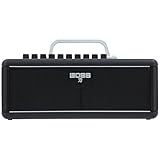
- Wireless Guitar Amplifier Technology: Totally wireless guitar amplifier...
- Compact Wireless Transmitter: Compact wireless transmitter plugs into...
- Extended Battery Life: Transmitter provides 12 hours of playing time on a...
The Boss Katana Air now gives home users the same independence while also providing a fantastic practise amp with a tonne of features. From the way the amp instantly turns on when it detects you picking up the guitar to the dock on the amp itself for charging the wireless module, there are a slew of unique features on exhibit here.
Tonally, the Katana Air is excellent, with a wide range of extendable effects and tones accessible bluetooth connectivity via the app. We appreciated how it doubles as a speaker for streaming conventional music over the two 3-inch speakers, which do an amazing job of generating stereo sounds
The BOSS Katana 30-Watt comes with a transmitter that may last up to 12 hours for a full day of guitar practice. Although, this may be a bit of an overstatement. It may be used with any guitar and recharges while docked in the amp’s docking bay.
It is motion actuated to provide you the best battery life possible and for convenience. When you take up your guitar, it automatically starts playing. The amp is powered by eight AA batteries, although it can also be used with a power converter.
It produces 20 watts of power when utilised with batteries. When utilised with a 30 watt mains power supply. For simplicity, all of the controls are located on the top of the machine. A headphone jack and an input jack socket are also included. The sound from the speakers is cancelled when the headphones are worn. It’s small and light, weighing only five pounds, making it easy to transport.
Line 6 Spider V 30 MKII

- NEW Classic Speaker mode for organic sound and feel
- NEW Artist, Iconic Song, and classic amp presets
- 200+ amps, cabs, and effects
Line 6 updated its Spider V portfolio with a number of enhancements. The presets were updated and improved, with Devin Townsend, Bill Kelliher, and Jeff Loomis among those who contributed presets. The amp modelling tones have been reworked to sound even more. amp-like, with a more realistic reaction to your playing. It’s simple to find a new tone to practise in, and the color-coded control panel is simple to use. There’s a 3-band EQ there, as well as controls for volume and drive, master volume, and an LED display with preset access settings.
The full-range speaker system, with Classic Speaker mode and a cab sim for a true “amp” experience, or full-range and listen back to your tone in high-fidelity as you would through a studio monitor, or plug in an acoustic, or play mp3s, was arguably the coolest improvement. The tone of the MkII has depth and shape, which is impressive for an eight-inch speaker and tweeter. There’s also an integrated tuner, as well as a metronome and drum to practise time. The effects are also rather impressive.
This practise amp is a great value for the money. You should try out the Spider V Remote app. This software gives you access to a huge library of amps and digital sound effects. This is in addition to the 16 that come standard with the MkII. You’ll never get tired of the sounds you make. The amp’s tones are both motivating and realistic, making it an excellent partner in your quest to polish your licks.
The Spider V 20 MkII is a continuation of Line 6’s legacy of high-quality, low-cost items. This is a fantastic practise amp for any guitarist, whether you’re a beginner or a seasoned veteran.
Blackstar FLY 3 3W Battery Powered Guitar Amplifier
- Refer the user manual below for troubleshooting
- Digital 'tape' delay effect; Patented ISF (Infinite Shape Feature)
- Sonic Performance The use of a full range driver eliminates the need of a...
Blackstar would pay you to take the Fly 3 if it were any cheaper. It’s comforting to know that you can still find a decent deal now and then. But, despite its low price and, let’s face it, diminutive size, the Fly 3 still delivers a punch when cranked up.
The Fly 3 may be placed in a briefcase and brought anywhere you’re carrying your guitar, powered by a 6.5V DC power supply or a half-dozen AA batteries. You can even leave your guitar at home and play some tunes over the 1/8” auxiliary input when you go to the beach; the choice is yours.
Fly 3’s dual channel design is also commendable. Pure, clear tones and the thrilling performance of an overdriven riff are both easily accessible. I don’t even need to be concerned about the power supply. I can operate the rig for several hours on a half-dozen AA batteries; however, the DC power source is really useful. This amplifier has a proprietary ISF (Infinite Shape Feature) function, stereo speaker expansion, gain, volume, EQ, delay, and overdrive, and may be powered by AA batteries or a 6.5-volt DC power source.
The Fly 3 is the best value for money in terms of performance, pricing, and portability. This is the ideal travel companion, capable of transforming any hotel room into a tiny studio.
Vox Pathfinder 10

- Compact 10-watt combo amp, perfect for home practice and small gigs
- Features a 6.5-inch speaker delivering powerful, dynamic tones
- Classic VOX design with diamond grille cloth and chicken head knobs
Vox amps are known for their characteristic clean chime tone, and the Pathfinder 10 delivers the same sound, albeit in a smaller format with a more practice-friendly volume level. Most practice amps are centred on overdriven tone, acquiring a tiny amp with decent clean tone is a welcome change for many, especially Vox lovers.
It doesn’t stop there; this compact amp also has an overdrive channel that faithfully reproduces the sound of Vox’s overdrive channel, but in a more economical and practice-friendly style. This set includes a 10-watt amp, a 6.5-inch speaker, and a headphones output for silent practice.
The VOX V9160 Pathfinder produces powerful and warm distortion, as well as chime-y and clean tones, with no effort on your part. While it lacks sophisticated sound effects to inspire your creativity, it’s still a great investment for anyone looking for a simple performance-oriented amp for their house. Many people are impressed by how fantastic sounding the Pathfinder 10 is for a cheap small amp, and it does so at volume settings that are suitable for practise. As expected, the majority of customers are satisfied with the Vox clean tone, while some are equally pleased with the overdrive channel, especially when set to low to mid tier gain.
Roland Cube Street

- Compact, lightweight stereo amplifier with slanted cabinet design
- Two high-performance 6. 5” neodymium speakers
- Battery driven (6 x AA, maximum 15-hour continuous use)
The Roland Cube Street isn’t like any other modelling practise amplifier you’ve seen before. Roland chose a tilted form over the typical boxy upright design of the cabinet. It appears to be similar to the speakers used on concert venues. Cube Street is not to be taken lightly. It may only have 5 watts of power, but it can blow any stadium’s roof off. To go with the 8 COSM amp emulations, there are normal EQ controls. The Cube Street’s dual channel design is something I really like. There are four control settings available on the mic channel. When you switch the Cube Street to the guitar channel, you gain access to six more control settings.
This amp features 8 COSM amp models, 6 digital sound effects, a built-in chromatic tuner, and a 15-hour battery life (6xAA batteries). The Cube Street is ideal for spontaneous street performances. It’s simple to set up on the pavement and begin playing straight away. There are no plugs to be concerned about. There are no wires to be concerned about. It’s a gear made specifically for street performers and travelling guitarists.
The Roland Cube Street is a worthy compact rig that is equally at home in the studio as it is on the street for modest live performances. Its key selling point is its mic channel, which eliminates the need for a separate microphone device.
Orange Crush 35RT

- Footswitchable channels and an analogue signal path
- Cab Sim loaded headphone output
- Transparent fully buffered effects loop
The Orange Crush 35RT is a modest but nicely constructed example of what a good amp maker can do with a transistor-based 1×10 combo. We don’t have the effects or amp modelling bells and whistles here, but we do have a great feeling of space thanks to a fantastic digital reverb, as well as a very fearsome overdriven sound that is suited for the rockers out there.
Orange’s bread and butter is rock, but the cleans are also rather tasty (thanks, reverb). When it comes to tone, the 4-stage preamp performs a lot of the hard lifting, and we like how Orange has integrated their CabSim circuit into the headphones and line out, making silent practising and recording a little easier.
The build quality is excellent, and the layout is simple to operate, with a 3-band EQ providing lots of tone control. The best home practice amp offers a fantastic pedal platform because to its fully buffered effects loop. Sure, the lack of onboard effects is a drawback, but one of the delights of electric guitar is building your own signal path with stompboxes, and this modest practise setup offers a fantastic base camp for such tonal explorations.
One of the primary aspects that makes this the favoured practise amp of many guitarists is the solid build quality and constant tone. Many people are impressed by how responsive the amp’s voicing is to its basic controls, despite the amp’s lack of functionality. As a result, it has enough sound versatility to appeal to a wide range of players. Its crunch overdriven tone has received the most accolades, but its clean to low gain tone has also received a lot of praise. Many users also claim that it responds nicely to pedals in terms of tone, much like a classic solid state amp.
Positive Grid Spark Guitar Amplifier

- Smart Jam learns your style and feel, generating authentic bass and drums...
- Access to 50,000+ amp-and-FX presets on ToneCloud, powered by...
- Import your music from Spotify, Apple Music or YouTube and Spark’s smart...
The Positive Grid Spark has taken the best practice amps by storm, and we can see why. It combines the already well-respected BIAS tone engine with some really fantastic smart technology.
The Spark is a catalog of excellent tones, with 30 amp types and 40 effects onboard – and with 10,000+ more tones in the internet library, you’ve got lots of possibilities. There’s Bluetooth for audio streaming, as well as Aux and headphone ports on the 18″ Aux. You’ll also find USB inputs and outputs on your Spark, allowing you to utilize it as an audio interface when you need to capture that next brilliant idea.
The Spark is the amp for you if you desire learning tools to help you develop your talent. ‘Auto Chords,’ for example, will find chord charts for whatever song you choose, and ‘Smart Jam,’ for example, will build an authentic backing track to accompany you no matter what you play.
NUX Mighty Air Wireless Stereo Modelling Guitar/Bass Amplifier with Bluetooth

- 【Quick-Play Wireless Versatility】 Mighty Air comes with the NUX...
- 【Built-in Noise Gate】 Solves unpredictable RF interference and annoying...
- 【MightyAmp Mobile App】 Mighty Air Bluetooth can do more than just audio...
The Strong Air is a wireless stereo guitar amp that can produce some very mighty tones, as the name suggests. This compact desktop amp offers a tone for every occasion, with 13 amp variants (nine electric guitar, three bass, and one acoustic) available via the companion app. If you don’t believe us, try scrolling through the in-app effects menu’s 28 overdrive, distortion, reverb, chorus, or delay options to hear the Mighty Air deliver on its stereo promise.
A new amp modeling algorithm is included in the most recent firmware update, providing realistic and outstanding feedback and response. Despite the fact that we thought the best practice amp guitar update to be difficult, it immediately proved to be worthwhile. The highest gain tones were a little too much for the small speakers, but the rest of the tones were quite usable and pleasurable.
There are ten drum backing tracks and a ton of NUX and artist-provided jam tracks to play along to on the app, which you can listen to through your phone speakers, Bluetooth, or the amp aux-in. To be honest, we’d pass on some of these, while the bulk were a lot of fun to play along with and reminded us that we need to work on our modes a little more.
Tips for getting the most out of your Practice Amp
To maximize your experience with a practice amp and truly benefit from its features, consider the following tips:
- Experiment with All the Knobs
Don’t be afraid to explore the volume knobs, gain, tone controls, and any three band EQ settings your amp offers. Adjusting these controls can help you shape your sound to suit your personal style and the musical context. Playing with all the knobs allows you to discover the full potential of your amp and find your unique tone.
- Use Built-in Effects to Enhance Your Sound
Many practice amps come equipped with built-in effects such as digital reverb, delay, chorus, and overdrive. Using these effects can add depth and character to your guitar tones without needing extra pedals. Experiment with different effects combinations to find sounds that inspire your playing.
- Take Advantage of Amp Modeling and Amp Models
If your practice amp includes amp modeling, explore the variety of amp models available. This feature lets you emulate the sound of famous guitar amplifiers, from clean Fender-style tones to high gain amps for heavier music. Trying out different amp models can broaden your sonic palette and help you adapt to various musical styles, including electric guitar, bass guitar, and acoustic guitar tones.
- Utilize the Aux Input and Headphone Jack
Use the aux input to play along with your favorite backing tracks, songs, or metronome apps. This can make practice sessions more engaging and musically rewarding. When practicing in quiet environments, plug in headphones to the headphone jack for silent practice, which is perfect for late-night sessions or shared living spaces.
- Record Your Playing Through USB or Line Out
If your practice amp has USB connectivity or a line out, use it to record your practice sessions. Recording allows you to track your progress, analyze your playing, and even create demos or share your music. This feature is especially useful for those who want to improve their skills or produce music from home.
- Keep Your Practice Amp Portable
If your amp is battery powered or lightweight, take advantage of its portability. Practice in different rooms, outdoors, or even while traveling. Changing your practice environment can keep your sessions fresh and inspiring.
- Maintain Your Amp for Longevity
Regular maintenance, such as keeping the amp clean, checking cables, and avoiding moisture, will ensure your practice amp continues to deliver great sound quality over time. For tube amps, handle tubes carefully and allow them to cool to preserve their lifespan.
FAQ
What wattage is ideal for a practice amp?
For home practice, amps with power ratings between 5 and 20 watts are usually sufficient. This wattage range allows for clear sound at low volumes without sacrificing tone quality. If you plan to jam with others or need louder volumes, consider amps with 30 to 50 watts. However, many practice amps include power attenuation features that let you reduce volume while maintaining tone.
Can I use a tube amp for practice?
Yes, tube amps can be used for practice, and they are favored for their warm, organic tone and dynamic response. However, traditional tube amps often require higher volumes to sound their best, which might not be suitable for home environments due to noise concerns. Some smaller tube amps, like the Marshall DSL1CR, offer low-wattage options ideal for practice without excessive volume.
Are modeling amps good for practice?
Modeling amps are excellent for practice because they offer a wide variety of amp tones and effects in one compact unit. They allow guitarists to experiment with different sounds and musical styles without needing multiple amps or pedals. Popular modeling practice amps include the Boss Katana Mini, Fender Mustang series, and Positive Grid Spark amp.
Can I record directly from a practice amp?
Many modern practice amps include USB connectivity or line-out options that allow you to connect directly to a computer or audio interface for recording. This makes it easy to capture your playing at home without additional equipment.
How do I maintain my practice amp?
Regularly clean your amp’s exterior and speaker grille, inspect cables and connections for wear, and avoid exposing the amp to moisture or extreme temperatures. For tube amps, allow tubes to cool before moving the amp. Follow the manufacturer’s guidelines for maintenance and repairs to ensure longevity and optimal performance.