Table of Contents
What is a pop filter?
A pop filter is an essential accessory used in audio recording to improve the quality of vocal tracks. It is designed to reduce or eliminate the popping sounds caused by plosive consonants like “P” and “B” that produce bursts of air hitting the microphone. These unwanted noises, caused by plosives, can disrupt recordings and make them difficult to edit or listen to.
Pop filters typically consist of a fine mesh screen stretched over a circular frame, placed between the singer or speaker and the microphone. This screen acts as a barrier that disperses the air pressure from plosives before it reaches the microphone diaphragm, protecting the mic and ensuring a cleaner recording. Additionally, most pop filters include an arm or mount to position the filter effectively in front of the microphone.
Using a pop filter not only helps to protect the microphone from moisture and saliva but also preserves the clarity of high frequencies in the voice, which might otherwise be muffled by sudden air blasts. This makes pop filters especially valuable in studio environments where capturing the finest vocal details is crucial.
Types of Pop Filters
Pop filters come in various types, each designed to suit different recording needs and budgets:
Metal pop filters : These are known for their durability and effectiveness in reducing plosive sounds. Made from woven wire or stamped metal mesh, metal pop filters tend to be more expensive than nylon options but offer superior sound transparency and are easier to clean. Their sturdy build makes them a long-lasting choice for professional studios.
Nylon pop filters : Typically made from nylon fabric stretched over a circular frame, these pop filters are affordable and widely used. They effectively reduce plosives and protect the microphone but may soften some high frequencies and are less durable than metal filters. Nylon filters require gentle cleaning to maintain their performance over time.
Foam windscreen pop filters : Originally designed to shield microphones from wind noise in outdoor settings, foam windscreens also provide some protection against plosives. While inexpensive and easy to use, they tend to cut off high frequencies, which can affect vocal clarity. Foam windscreens are less effective against plosives compared to fabric or metal mesh filters and are best suited for field recordings or situations where convenience outweighs sound quality.
Dual-screen pop filters : Featuring two mesh screens with a small air gap between them, dual-screen filters offer enhanced protection against plosives by dispersing air pressure more effectively. This design aims to provide clearer vocal recordings by minimizing the impact of bursts of air. However, some users feel that dual screens can slightly dull high-frequency detail.
Wrap-around pop filters : A newer design that mounts directly onto the microphone grill, wrap-around filters save space by eliminating the need for a gooseneck arm. They provide effective plosive reduction while taking up minimal room, making them ideal for performers who want an unobtrusive solution on stage or in tight studio spaces.
Key Features of Pop Filters
Pop filters come with several important features that influence their performance and suitability for different recording scenarios:
Material: The choice of material affects durability, sound transparency, and ease of cleaning. Metal pop filters are durable and provide excellent sound clarity, while nylon filters are more affordable but may slightly soften high frequencies and are harder to clean. Foam windscreens offer basic protection but can reduce vocal brightness. Fabric-based pop filters are also known for cutting delicate high frequencies from vocals, which can impact the overall sound quality. High-quality metal filters are typically more expensive than nylon filters.
Screen Design: The mesh density and screen type play a role in how effectively the pop filter disperses plosive air bursts. Dual-screen designs with an air gap provide enhanced plosive control, though they may impact high-frequency detail slightly. Single-screen filters are simpler but still effective.
Size and Shape: Larger circular filters offer more coverage and flexibility in positioning, allowing singers to move slightly without losing protection. Unique shapes, such as the Avantone PS-1’s shovel design, can provide closer mic coverage and reduce the chance of accidental bumps.
Mounting and Gooseneck: A flexible yet sturdy gooseneck is essential for positioning the pop filter precisely. High-quality clamps and goosenecks ensure the filter stays securely in place during recording sessions. Some models feature wrap-around mounts that attach directly to the microphone grill, saving space and simplifying setup.
Sound Transparency: The best pop filters minimize any coloration or attenuation of the vocal sound, preserving the natural high frequencies and resonance of the voice. Metal mesh filters typically offer superior transparency compared to fabric options.
Durability and Maintenance: Metal filters resist tearing and can be cleaned easily, preventing moisture buildup and odors. Nylon filters require gentle handling and careful cleaning to maintain performance over time.
Compatibility: It’s important to select a pop filter that fits your microphone and recording environment. Some pop filters are designed specifically for studio microphones, while others are better suited for live stage use or field recordings.
Top Pop Filters
Aston Microphones SwiftShield Premium

- Universal mic mount fits mics 40 to 60 millimeter diameter
- Ultimate mechanical isolation with Aston's ‘shockstar’ technology
- Super hard wearing aluminum and glass fill nylon construction

The Aston Microphones SwiftShield Premium is a high-end pop filter designed to meet the demands of professional vocalists and recording engineers who seek both exceptional performance and versatility. This pop filter stands out due to its innovative design that combines a fine metal mesh screen with a universal shockmount, allowing it to fit a wide range of microphone models securely and efficiently.
One of the key benefits of the SwiftShield Premium is its large, circular metal screen that provides excellent coverage to effectively disperse plosive air blasts without compromising the clarity or brightness of vocal recordings. The metal mesh construction ensures superior durability compared to nylon filters, resisting wear and tear while being easy to clean and maintain. This makes it an ideal choice for studios where hygiene and longevity are important considerations.
The universal shockmount feature of the SwiftShield Premium adds an extra layer of protection for microphones by isolating them from vibrations and handling noise, which can otherwise degrade recording quality. This integration of shockmount and pop filter into a single accessory simplifies setup and reduces the number of components needed in a recording environment, making it both space-efficient and convenient.
Flexibility in positioning is another advantage, thanks to its adjustable gooseneck arm that allows precise placement in front of the microphone, ensuring optimal plosive protection regardless of the vocalist’s style or movement. The clamp mechanism is designed to securely attach to various mic stands without slipping, providing stability throughout recording sessions.
While the Aston SwiftShield Premium is priced at a premium level, its combination of advanced features, build quality, and sound transparency makes it a worthwhile investment for serious professionals aiming to capture pristine vocal tracks. Its ability to maintain the natural tonal qualities of the voice while effectively controlling plosives and minimizing unwanted noise sets it apart as one of the best pop filters available for demanding recording applications.
Stedman Proscreen XL Pop Filter
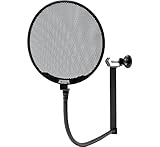
- Nylon Pop Filter with Gooseneck Clamp - Black
The Stedman Proscreen XL is widely regarded as one of the best pop filters available on the market, known for its patented design that offers exceptional performance and durability. Unlike traditional nylon pop filters, the Proscreen XL uses a unique metal screen that effectively redirects bursts of air downward, away from the microphone capsule. This innovative approach prevents popping sounds from plosives such as “P” and “B” without muffling or coloring the vocal sound, ensuring crystal-clear recordings.
One of the standout features of the Proscreen XL is its large 6-inch diameter screen, which provides ample coverage and allows vocalists to move naturally during recording sessions without losing protection from plosives. The ultra-fine rubber surround enhances the filter’s effectiveness while maintaining sound transparency. This design makes it ideal for both studio and professional voice-over applications where capturing the highest vocal detail is critical.
The hardware quality of the Proscreen XL is another reason for its popularity. It features a heavy-duty adjustable gooseneck covered with a protective vinyl shrink material that reduces noise when adjusting the filter’s position. The clamp is robust and equipped with a soft nylon tip to prevent damage to microphone stands. This sturdy construction ensures the filter stays securely in place throughout long recording sessions, providing consistent performance.
Durability is a key advantage of the metal pop filter design. The Proscreen XL resists tearing and can be easily cleaned, preventing moisture buildup and unpleasant odors that can affect microphone performance over time. Its powder-coated finish adds to the longevity, making it a cost-efficient investment for serious audio professionals.
While the Proscreen XL is priced higher than many nylon pop filters, its superior sound transparency, durability, and ease of use justify the cost for those seeking the best possible vocal recording quality. For anyone looking to completely eliminate plosive sounds while preserving the natural brightness and resonance of their voice, the Stedman Proscreen XL remains a top choice in the world of pop filters.
Nady MPF-6

- Top rated Professional Pop filter for vocal microphones
- Multi-positional windscreen for optimum performance
- Stops plosives and protects your mic
The Nady MPF-6 is a budget-friendly pop filter that has earned a reputation for reliable performance and durable design. It is one of the best-selling pop filters worldwide, largely due to its affordability and consistent effectiveness in reducing plosive sounds during vocal recordings. The MPF-6 features a single-layer nylon mesh stretched over a sturdy circular frame, which helps disperse bursts of air before they reach the microphone, protecting both the mic and the clarity of the vocals. For those interested in a DIY approach, pop filters can also be created using simple materials like fabric and circular frames to reduce plosive noise. Effective nylon filters like the MPF-6 can often be found for under $25, making them an accessible option for many users. For those with a similar budget, the Sterling Audio STPF2 is also recommended, as it features a reliable gooseneck for stable positioning.
One of the key advantages of the Nady MPF-6 is its flexible gooseneck, which allows precise positioning in front of the microphone. This flexibility ensures that vocalists can maintain optimal distance from the mic while having the pop filter correctly placed to block plosives. The clamp is designed to fit most microphone stands securely, making it a versatile choice for both studio and home recording setups.
Despite its low price point, the Nady MPF-6 is built to last, with a durable frame and mesh that withstand regular use without tearing or losing tension. It is also easy to clean, which helps maintain its effectiveness over time. However, as with many nylon mesh filters, it may slightly soften some high-frequency sounds, which could affect the brightness of vocals in certain recording situations. The Sterling Audio STPF2 pop filter, on the other hand, is praised for its reliable gooseneck and stability during use, making it another strong contender in the budget-friendly category.
For those on a tight budget or just starting with vocal recording, the Nady MPF-6 offers an excellent balance of cost and performance. It provides a significant improvement over recordings without any pop filter and is a practical choice for podcasters, singers, and voice-over artists seeking clear vocal tracks without investing in more expensive equipment.
Conclusion
Pop filters are indispensable tools that elevate vocal recordings by eliminating distracting plosive sounds and protecting your microphone. Whether you prioritize durability, sound clarity, or budget-friendly options, the right pop filter enhances every vocal performance, ensuring crisp, professional-quality audio with every take. However, it is worth noting that pop filters in the $10 range may prevent plosives but are often difficult to set up and less reliable, making them less ideal for consistent use.
FAQ
What is the purpose of a pop filter?
A pop filter is designed to reduce or eliminate the popping sounds caused by plosive consonants like “P” and “B” that produce bursts of air hitting the microphone. It helps protect the microphone from moisture and saliva while preserving vocal clarity.
Do metal pop filters sound better than nylon ones?
Metal pop filters generally offer superior sound transparency and durability compared to nylon filters. They allow more high-frequency detail to pass through and are easier to clean, making them a preferred choice for professional studios.
Can I use a pop filter for live performances?
Yes, certain pop filters, such as wrap-around designs, are especially suited for stage use because they take up less space and are less obtrusive. However, many performers use foam windscreens or specialized filters depending on their needs.
How close should a pop filter be to the microphone?
The optimal distance is usually about 2 to 6 inches from the microphone. This distance helps disperse plosive air bursts effectively without affecting the sound quality or introducing unwanted resonance.
Are dual-screen pop filters better than single-screen ones?
Dual-screen pop filters provide enhanced protection by dispersing air pressure across two layers, which can reduce plosives more efficiently. However, some users find that they may slightly dull high-frequency details compared to single-screen filters.