What is Microphone Preamp?
A microphone preamp, often referred to as a mic preamp or microphone preamplifier, is an essential piece of audio equipment used to amplify the low-level output signal from a microphone to a higher, more usable line level. This amplification is crucial because microphones typically produce a very weak signal that cannot be effectively processed or recorded without boosting. By increasing the signal strength, the mic preamp ensures that the audio can be captured with clarity and detail, preserving the quality and nuances of the original sound source. Microphone preamps amplify the low-level output from a microphone to a higher voltage level suitable for recording or further processing.
Microphone preamps come in various forms, including standalone units, integrated components within audio interfaces, mixing consoles, or channel strips. Their primary function is to provide clean gain with minimal noise and distortion, which significantly impacts the overall recording quality and sonic quality of the audio. High-quality preamps help maintain excellent audio fidelity, allowing for rich harmonics and a natural tonal character to shine through in recordings.
Dynamic mics, while generally less demanding in terms of power, also benefit greatly from the use of a good preamp. A quality mic preamp boosts the mic signal cleanly, improving the signal-to-noise ratio and ensuring that unwanted noise from other equipment or cables is minimized. This results in a clearer and more professional sounding recording. Both dynamic and condenser microphones benefit from using external preamps to achieve better sound quality.
In modern audio setups, many audio interfaces include built-in preamps, which are often sufficient for everyday recording needs. However, standalone preamps are favored by audio professionals and enthusiasts seeking enhanced tonal options, more channels, or specific sonic characteristics that integrated preamps may not offer. Choosing the perfect microphone preamp depends on your recording goals, microphone types, and desired sound quality. Top-tier professional studios typically have racks of specialized preamps for various applications.
Types of Mic Preamps
Microphone preamps are available in various types, each offering distinct characteristics and advantages suited to different recording needs and preferences. Understanding the differences between these types can help you select the best microphone preamps for your setup. Many budget-friendly microphone preamps maintain professional audio quality, with particular brands such as Focusrite, ART, and Behringer recommended.
tube preamps
Tube preamps utilize vacuum tubes to amplify the microphone signal. They are renowned for adding warmth, richness, and harmonic complexity to audio recordings, often described as a “vintage sound.” This type of preamp is favored by musicians and producers seeking a classic analog sound with smooth tonal qualities and pleasing coloration. While tube preamps may introduce subtle distortion, many consider this a desirable effect that enhances the musicality of vocals and instruments.
Solid-State Preamps
Solid-state preamps use transistors and integrated circuits instead of tubes to amplify the signal. They typically provide a cleaner, more transparent sound with less coloration, preserving the natural tone of the source. Solid-state preamps are well-suited for applications where accuracy and clarity are paramount, such as capturing detailed sound from acoustic instruments or vocals. They often have a faster transient response and lower noise levels compared to tube preamps.
Hybrid Preamps
Hybrid preamps combine elements of both tube and solid-state designs to offer versatile tonal options. These preamps may use tube circuitry in the gain stage to impart warmth while employing solid-state components for output and control, resulting in a balanced sound that blends vintage character with modern clarity. Hybrid preamps are ideal for users who want flexibility and the ability to tailor their preamp sound to various recording situations.
Transformer-Coupled vs. Transformerless Preamps
Another distinction among microphone preamps lies in whether they use transformers in their circuitry. Transformer-coupled preamps can add desirable tonal coloration, warmth, and saturation, often associated with classic analog gear. Transformerless preamps tend to offer a more transparent and neutral sound, focusing on preserving the original signal without added coloration.
Single-Channel vs. Dual-Channel Preamps
Preamps are also available in single-channel and dual-channel configurations. Single-channel preamps are ideal for solo recording tasks or when only one microphone input is needed. Dual-channel preamps provide two independent channels, allowing simultaneous recording of multiple sources with consistent sound quality and tonal matching. Dual channel preamps are especially useful in professional studios and live sound setups where versatility and efficiency are required.
Key Features of Microphone Preamps
Microphone preamps are designed with several key features that influence their performance and suitability for different recording needs. Understanding these features can help you choose the right preamp to achieve the best possible sound quality.
Gain Range
One of the most important features of a microphone preamp is its gain range. Gain refers to the amount of amplification the preamp can provide to the weak signal coming from the microphone. A wide gain range allows the preamp to accommodate various microphone types and recording situations, from quiet vocals to loud instruments. High gain is especially important for dynamic mics and ribbon microphones, which often produce lower output levels.
noise level
A low noise level is critical for any microphone preamp. Noise refers to unwanted background sounds or electrical interference that can degrade the clarity of a recording. High-quality preamps use advanced circuitry and components to minimize noise, ensuring that the amplified signal remains clean and transparent. This is particularly important when recording quiet sources or in professional environments where audio fidelity is paramount.
Phantom Power
Phantom power is a standard feature in most microphone preamps, supplying 48 volts of power necessary for condenser microphones to operate. Without phantom power, condenser mics cannot function properly. Many preamps also include switches to enable or disable phantom power as needed, providing flexibility for different microphone types.
Input and Output Connectivity
The connectivity options of a preamp determine how easily it integrates into your audio setup. Most preamps feature XLR inputs and outputs, which are standard for professional microphones and audio equipment. Some units also offer additional inputs such as DI (direct input) for electric guitars or other instruments, and various output options including balanced and unbalanced connections. USB and digital outputs may be available on some models for direct connection to computers or digital audio workstations.
Tonal Characteristics
Different preamps impart unique tonal qualities to the audio signal. Tube preamps are known for adding warmth and rich harmonics, creating a vintage sound that many musicians and producers favor. Solid-state preamps tend to produce a cleaner, more transparent sound, preserving the natural tone of the source. Hybrid preamps combine these qualities, offering versatile tonal options. Selecting a preamp with the desired tonal character can greatly influence the mood and texture of your recordings.
Additional Features
Many modern microphone preamps come equipped with extra features to enhance recording flexibility and control. These may include:
Highpass filters to reduce low-frequency rumble or handling noise.
Phase reversal or polarity reverse switches to correct phase issues between multiple microphones.
Pad switches to reduce the input level and prevent distortion when recording loud sources.
Built-in EQ sections for tonal shaping.
De-esser controls to reduce sibilance in vocal recordings.
Compressor or limiter functions to manage dynamic range.
These features can transform a simple preamp into a powerful channel strip, providing greater control over the recording process.
Build Quality and Reliability
Durability and build quality are essential, especially for preamps used in professional or live settings. Metal chassis, high-quality components such as Jensen transformers, and reliable switches and knobs contribute to a preamp’s longevity and consistent performance. Investing in a well-built preamp ensures stable operation over time and minimizes maintenance issues.
Best Mic Preamps
Neve 1073DPX Dual Microphone Preamplifier / EQ

The Neve 1073DPX is a dual channel microphone preamplifier and equalizer that brings the legendary Neve sound into a compact and versatile form. Revered for its rich harmonic content and classic analog warmth, the 1073DPX is a staple in professional studios worldwide, known for imparting a distinctive character that enhances vocals, electric guitars, and other instruments with a lush and musical quality.
This dual channel preamp offers two independent mic inputs, each equipped with the classic Neve 1073 circuitry, including the renowned Class A design and high-quality Jensen transformers. These components contribute to the preamp’s signature rich harmonics and smooth tonal response, making it a favorite among audio professionals seeking that vintage sound with modern reliability.
In addition to the microphone preamp section, the 1073DPX features a comprehensive EQ section modeled after the original Neve 1073 equalizer. This EQ provides precise tonal shaping capabilities, allowing engineers to sculpt the sound with warmth and clarity. The EQ includes selectable frequency bands and adjustable gain controls, making it a powerful tool for enhancing recording vocals and instruments in the studio.
Solid State Logic PureDrive Octo 8

- 8 channel high-performance PureDrive mic preamps
- +48V phantom power, polarity invert and 3rd order hi-pass filter
- 31-step Trim control, with precise 1 dB increments – overdrive the signal...

The Solid State Logic PureDrive Octo 8 is a high-performance microphone preamp known for its exceptional clarity and low noise floor. Designed with professional audio engineers and producers in mind, this unit offers eight channels of pristine, transparent preamplification, making it ideal for both studio recordings and live sound applications.
Featuring advanced circuitry and premium components, the PureDrive Octo 8 ensures that every subtle detail of your audio source is captured with remarkable accuracy. Its wide gain range accommodates a variety of microphone types, including dynamic, condenser, and ribbon mics, while its robust build quality guarantees reliable performance in demanding environments.
The preamp includes essential features such as phantom power for condenser microphones, phase reversal switches, and pad controls, allowing precise control over the input signal. Additionally, its compact design and straightforward interface make it an excellent choice for home studios, project studios, and professional setups seeking a clean and versatile preamp solution.
With the Solid State Logic PureDrive Octo 8, audio professionals can expect consistent, high-fidelity sound that enhances recording quality without adding unwanted coloration, making it a valuable tool for capturing vocals, instruments, and more.
Focusrite Clarett+ 8Pre

- Eight professional quality Clarett⁺ preamps Hear every nuance and capture...
- Make vocals shine with all-analogue Air Premium, relay-controlled analogue...
- New and improved A-D and D-A converters Maintain the purity of analogue in...
The Focusrite Clarett+ 8Pre is a versatile and high-quality microphone preamp unit designed for professional studio and live recording environments. It features eight premium mic preamps that deliver clean, transparent gain with very low noise and distortion, making it suitable for capturing detailed sound from a wide range of microphones. Golden Age Project Pre-73 MkIV provides an affordable version of the classic Neve 1073 sound.
Each channel on the Clarett+ 8Pre offers switchable phantom power to support condenser microphones, as well as highpass filters to reduce unwanted low-frequency noise. The unit also provides instrument-level inputs (DI inputs) for electric guitars and basses, expanding its flexibility for various recording scenarios.
The Clarett+ 8Pre is well-regarded for its dynamic range and sonic clarity, making it a favorite among home studios and professional setups alike. Its robust build quality and intuitive interface ensure reliable performance during demanding recording sessions. Additionally, the unit integrates seamlessly with audio interfaces and digital audio workstations, offering multiple connectivity options including ADAT for expanding input channels.
Universal Audio LA-610 MKII
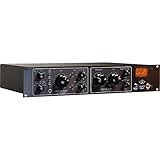
- LA610mkII - Tube Recording Channel
The Universal Audio LA-610 MKII is a revered microphone preamp that combines the classic sound of a vintage tube preamp with the dynamic capabilities of an optical compressor. This hybrid design offers both warmth and punch, making it a versatile choice for a wide range of recording applications, from vocals to electric guitars and beyond.
This preamp is celebrated for its rich harmonics and smooth tonal character, which add depth and presence to recordings without overwhelming the original source. The tube circuitry imparts a classic analog sound that many audio professionals seek, while the compressor section provides precise dynamic control, helping to shape performances with musicality and finesse.
Grace Design m101
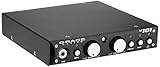
- 12 position gold plated rotary gain switch
- The m101 is ready to give any mic preamplifier a run for its money
The Grace Design m101 is a highly regarded single channel microphone preamp known for its pristine transparency and exceptional audio fidelity. Designed with simplicity and performance in mind, the m101 delivers clean gain with very low noise, making it an excellent choice for capturing detailed sound in both studio and live environments.
One of the standout features of the m101 is its ability to provide a transparent sound that faithfully reproduces the source without adding coloration or distortion. This makes it ideal for recording vocals, acoustic instruments, and other sources where preserving the natural tonal character is essential. The preamp offers a wide gain range, accommodating various microphone types including dynamic, condenser, and ribbon mics.
dbx 234xs

- XLR balanced ins and outs
- Mode switches for mono 4-way or stereo 2-way/3-way operation
- Low frequency summed (subwoofer) output
The dbx 234xs is a versatile and professional-grade stereo 2-way and mono 4-way crossover designed for live sound and studio applications. Featuring XLR connectors for balanced input and output, it ensures high-quality signal transfer with minimal noise and interference. This unit excels in splitting audio signals into multiple frequency bands, allowing precise control over speaker systems and enhancing overall sound clarity and fidelity.
Equipped with advanced dbx technologies such as the patented OverEasy compression and dbx’s classic noise reduction circuitry, the 234xs offers superior dynamic control and signal integrity. Its rugged construction and user-friendly interface make it suitable for both touring professionals and studio engineers seeking reliable performance.
The 234xs’s flexible crossover frequencies and slope options provide tailored sound shaping to match various speaker configurations and acoustic environments. Whether used in conjunction with microphone preamps or as part of a larger audio chain, the dbx 234xs contributes to a cleaner, more detailed sound reproduction, making it a valuable tool for achieving professional sound quality in diverse recording and live sound scenarios.
Conclusion
In the world of audio recording, a microphone preamp is more than just a piece of equipment—it’s the gateway to capturing every nuance and detail of your sound with clarity and character. Whether aiming for warmth, transparency, or a unique tonal signature, the right preamp elevates your recordings from ordinary to extraordinary, ensuring that every vocal and instrument shines with professional polish and depth.
FAQ
Do all microphones require a preamp?
Most professional-grade condenser and dynamic microphones require a preamp to boost their weak mic level signal to line level for proper recording. Condenser microphones additionally need phantom power, typically supplied by the preamp, to power their internal electronics. USB microphones, however, have built-in preamps and analog to digital converters, so they do not require external preamps.
What is the difference between tube and solid-state preamps?
Tube preamps use vacuum tubes to amplify the signal, adding warmth, rich harmonics, and a classic analog sound often described as vintage sound. Solid-state preamps use transistors and other components to provide a cleaner, more transparent sound with less coloration. Hybrid preamps combine both technologies to offer versatile tonal options and preamp sound characteristics.
Can a preamp affect the character of my recordings?
Yes, the choice of preamp can be a game changer for your recording experience. Different preamps impart unique sonic signatures, from the warm, rich tone of classic tube preamps to the detailed sound and transparent clarity of modern solid-state designs. Selecting the right preamp enhances the vocal sound and overall audio fidelity, making it a vital part of tracking vocals and other instruments.
What features should I look for in a microphone preamp?
Key features include a wide gain range to accommodate various mic levels, low noise level for clean amplification, phantom power for condenser mics, and versatile input/output connectivity such as XLR and DI inputs. Additional features like highpass filters, phase reversal, pad switches, EQ sections, de-esser, and compression can provide greater control. Build quality and reliability are essential for consistent performance.
Are standalone preamps better than those built into audio interfaces?
Standalone preamps often offer superior components, more gain, and richer tonal options compared to built-in preamps in audio interfaces. While many audio interfaces have excellent preamps suitable for most recording needs, investing in a dedicated preamp can elevate your recordings with a distinct preamp sound and improved recording quality.