What is a Noise Gate Pedal?
A noise gate pedal is an essential tool for guitar players looking to control unwanted noise and hum in their signal chain. It works by monitoring the guitar signal and attenuating any sound that falls below a certain threshold. When the signal level is above this threshold, the gate opens, allowing the full guitar tone to pass through; when the signal drops below the threshold, the gate closes, effectively muting unwanted noise during pauses or quieter playing moments.
Using a noise gate pedal effectively reduces the noise floor, allowing your guitar tone to shine without interference from unwanted hum or amp hum. This is especially important when using single coil pickups, which are more prone to picking up ambient sound and rig noise.
This functionality is particularly valuable for players who use high gain settings, distortion pedals, or single coil pickups, all of which tend to introduce additional noise and hum. By setting the threshold appropriately, guitarists can ensure that their playing remains clear and focused, without the distraction of background noise or amp hum.
Key Features of Noise Gate Pedals
Threshold Control
Noise gate pedals come equipped with several key features that allow guitarists to tailor their noise reduction to their specific needs. One of the most important controls is the threshold knob, which sets the level at which the gate opens and closes. Setting a high threshold means the gate will close more often, effectively muting more unwanted noise but risking cutting off softer playing nuances. Conversely, a lower threshold allows more signal through but may let some noise slip by.
Decay or Release Control
Many noise gate pedals include a decay or release control, which determines how quickly the gate closes after the signal falls below the threshold. A fast decay provides tight, staccato noise suppression ideal for aggressive playing styles like modern metal, while a slower decay allows for a more natural note sustain and smooth fade-out.
Selectable Modes and Additional Controls
Some pedals offer multiple selectable modes or three knobs to control various aspects of gating, such as dampening or reduction levels, giving players greater flexibility in shaping their tone and noise suppression. For example, the MXR Smart Gate features three selectable modes—Full, Mid, and Hiss—that cater to different noise types and playing environments. Mooer Noise Killer offers exceptional value for money as a micro true bypass pedal.
Advanced Features and Connectivity
Advanced noise gate pedals like the TC Electronic Sentry incorporate multiband noise reduction and TonePrint technology, enabling users to customize the gate’s response across different frequency ranges. This helps preserve the guitar tone intact while effectively eliminating unwanted noise.
Connectivity options such as send and return loops allow noise gates to be integrated into effects loops, targeting noise from specific pedals like fuzz pedals or distortion pedals without affecting the entire signal chain. This is particularly useful in complex rigs with different pedals generating varying amounts of noise.
Top Noise Gate Pedals
BOSS NS-2 Noise Suppressor
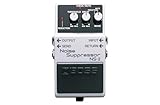
- Noise Suppress/Noise Gate Guitar Pedal
- Compact noise suppression pedal for eliminating noise and hum in guitar and...
- Unique noise detection circuit preserves the natural attack and envelope of...

The Boss NS-2 Noise Suppressor is a classic and widely trusted noise gate pedal that has been a staple in guitarists’ pedalboards since its introduction in the late 1980s. Known for its robust all-analog circuit and versatile noise suppression capabilities, the NS-2 excels at eliminating unwanted hum, hiss, and buzz without compromising the natural tone of your guitar. It features straightforward controls including threshold and decay knobs, allowing players to dial in the precise amount of noise reduction needed for their rig. The Boss NS-2 has been in continuous production since 1987 and is a best-selling staple of the BOSS stompbox series.
One of the key advantages of the NS-2 is its built-in effects loop, which enables targeted noise suppression for specific pedals such as distortion or fuzz units. By routing noisy pedals through the loop, the NS-2 can effectively reduce noise generated by these effects without affecting the entire signal chain. This feature makes it especially useful for complex setups where certain pedals produce more noise than others.
The pedal offers two operating modes: Reduction and Mute. Reduction mode provides standard noise gating that activates when the pedal is engaged, while Mute mode allows for continuous noise suppression even when the pedal is bypassed, giving players greater control over their sound in different scenarios. Additionally, the NS-2 includes an LED indicator to show when the gate is active, aiding in quick visual feedback during performances.
Beyond its core features, the NS-2 is often praised for its compatibility with the four-cable method, which allows for more precise gating by separating the guitar’s clean signal from the noisy processed signal. This setup enhances the pedal’s effectiveness in managing noise introduced by gain pedals or amplifier preamps.
ISP Decimator II Noise Reduction Pedal
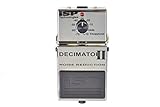
- Ultimate noise reduction pedal with unmatched performance
- Tracks the guitar signal directly from the guitar so you can leave the...
- New design allows connection of the processing channel to be inserted into...
ISP Decimator II is widely recognized as one of the best noise gate pedals available, especially favored by guitarists who require top-tier noise reduction without compromising their guitar tone. Built with a solid metal construction, it offers durability suited for the rigors of touring and frequent use. The pedal features Linearized Time Vector Processing, which provides smooth and natural note decay while effectively reducing unwanted hum and hiss. This advanced technology ensures that the noise gate responds dynamically to your playing, maintaining the integrity of your guitar signal even during complex passages.
One of the standout features of the ISP Decimator II is its direct instrument tracking capability, allowing the pedal to differentiate between your guitar signal and unwanted noise with remarkable precision. This results in a transparent noise reduction experience that doesn’t color or degrade your tone. The pedal is also equipped with a simple threshold control, enabling you to set the gate to open and close at the optimal level for your rig’s noise floor.
Additionally, the Decimator II supports linking two pedals together, which is particularly useful for players who want to use the four-cable method or manage noise in both the effects loop and front of the amp. This flexibility makes it a versatile choice for complex signal chains and high-gain setups.
Overall, the ISP Technologies Decimator II combines cutting-edge technology with robust build quality, making it a preferred choice for professional guitarists seeking reliable and effective noise suppression in their pedalboards. Boss, ISP Technologies, and TC Electronic are frequently mentioned as leading brands in the noise gate pedal market.
Electro-Harmonix Silencer Noise Gate & Effects Loop Pedal

- Use it as an inline noise gate or to gate an entire effects loop
- Delivers up to -70dB of noise reduction
- Features 8ms to 4 seconds of release time
EHX Silencer is a popular choice among guitarists seeking a reliable and affordable noise gate pedal with versatile features. It offers comprehensive noise reduction capabilities and is particularly suited for managing noise in complex pedalboards. The Silencer features a three-knob layout—Threshold, Reduction, and Release—that allows players to finely tune how the gate responds to unwanted noise.
Threshold: This control sets the level at which the gate opens and closes, enabling you to dial in the exact point where noise suppression kicks in.
Reduction: This knob adjusts how much the signal is attenuated when the gate is closed, allowing for either partial or complete muting of unwanted noise.
- Release: This determines how quickly the gate closes after the signal drops below the threshold, facilitating smooth or abrupt noise gating depending on your preference.
One of the standout features of the Silencer is its built-in effects loop. This allows guitarists to isolate noisy pedals—such as distortion or fuzz pedals—within the loop, so the noise gate targets just those effects without affecting the entire signal chain. This setup is especially useful for players with complex rigs who want to maintain the integrity of their clean tones while taming noise from specific pedals.
The Silencer’s analog circuitry preserves the natural tone of the guitar, avoiding the harsh or artificial sound that some noise gates can introduce. It offers both battery and 9V DC power options, making it convenient for gigging musicians. While the pedal uses buffered bypass instead of true bypass, most users find that it does not noticeably affect their tone.
Jim Dunlop MXR Smart Gate
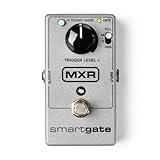
- Three selectable noise reduction ranges
- Reacts gradually to long, sustained notes and quickly to short, syncopated...
- Fast attack time reserves picking transients and harmonic overtones
The Jim Dunlop MXR Smart Gate is a versatile noise gate pedal that offers guitarists precise control over noise reduction with minimal impact on their guitar tone. It features three selectable modes—Full, Mid, and Hiss—that allow players to tailor the gating effect to different types of noise and playing situations. The Full mode provides aggressive gating, ideal for heavy distortion and high-gain amp settings where complete noise elimination is necessary. Mid mode offers a balanced approach, reducing noise while preserving more natural sustain, making it suitable for moderate gain tones. The Hiss mode targets high-frequency noise, such as the hum often encountered with single coil pickups, without affecting the overall tonal character.
Equipped with a threshold control, the Smart Gate allows users to set the exact level at which the gate opens and closes, ensuring that unwanted noise is effectively suppressed without cutting off desired notes or natural decay. Additionally, it includes a Hi Trigger Range switch that adjusts the sensitivity of the gate, giving players further flexibility in dialing in their preferred noise reduction settings.
The pedal’s rugged construction and straightforward interface make it a reliable choice for both gigging musicians and studio players. Its transparent gating action ensures that the guitar tone remains intact, even when the gate is actively reducing noise. The MXR Smart Gate is particularly favored by players who need a noise gate that can adapt to a variety of musical styles and rig configurations without introducing unwanted artifacts or tone coloration.
Beyond its core functions, the Smart Gate integrates seamlessly into complex signal chains and can be effectively used in conjunction with other pedals and amplifiers to maintain a clean, professional sound. Its adaptability and ease of use make it a valuable addition to any guitarist’s pedalboard seeking to tame unwanted noise while preserving the integrity of their guitar tone.
TC Electronic Sentry Noise Gate
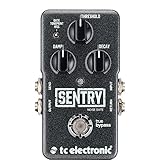
- State-of-the-art Multiband or Hard noise gate modes for instant noise...
- Send/Return for cleaning up noisy pedals or for creative side chaining
- Tone Print enabled - for a world of signature and customizable effects
TC Sentry is a standout noise gate pedal known for its advanced multiband noise reduction capabilities and integration with TonePrint technology. This allows guitarists to customize the gate’s response across different frequency bands, tailoring the noise reduction precisely to their rig and playing style. The pedal features three main controls: Threshold, Decay, and Damp. The Threshold knob sets the sensitivity level at which the gate opens and closes, Decay controls how quickly the gate closes after the signal drops below the threshold, and Damp adjusts the maximum amount of noise reduction applied, offering a balance between aggressive gating and natural tone preservation.
One of the unique aspects of the Sentry is its selectable modes, including Gate, TonePrint, and Hiss. The Gate mode functions as a traditional noise gate, cutting off unwanted noise sharply, which is ideal for high-gain settings and rhythmic, staccato playing styles. The TonePrint mode allows users to load custom presets via TC Electronic’s app, providing fine-tuned control over the gate’s behavior and frequency response. The Hiss mode focuses on reducing high-frequency noise, making it especially useful for single coil pickups and cleaner tones prone to hiss.
The Sentry also supports the four-cable method, enabling it to be integrated into an effects loop for targeted noise suppression, particularly useful for isolating noisy pedals like distortion or fuzz units. Its robust build quality and user-friendly interface make it a favorite among professional guitarists who demand precise noise control without compromising their guitar tone.
Final thoughts
In the quest for a pristine guitar tone, a noise gate pedal acts as the unsung hero, quietly eliminating unwanted hum and hiss while preserving the natural dynamics and character of your playing. By mastering the art of setting the right threshold and decay, you can unlock cleaner, tighter soundscapes that let every note shine through with clarity and precision, transforming your rig into a noise-free powerhouse ready for any stage or studio session. Noise gates are particularly effective for high-gain situations where there are distinct pauses in playing, helping to silence noise during these moments.
FAQ
Where should I place a noise gate pedal in my signal chain?
Typically, a noise gate pedal is placed after gain pedals such as distortion or overdrive, but before time-based effects like delay and reverb. This placement allows the gate to effectively reduce noise generated by high-gain pedals while preserving the natural decay and ambiance of effects that come later in the chain. Placing a noise gate after gain-based pedals allows it to capture and eliminate the most noise. Alternatively, some players place noise gates in their amplifier’s effects loop to target preamp noise.
How do I set the threshold on a noise gate pedal?
Start by setting the threshold just above your rig’s noise floor—the level of unwanted hum or hiss when you’re not playing. Adjust it so the gate closes during silent moments but opens cleanly when you play. Setting the threshold too high can cut off softer notes or natural decay, while setting it too low may allow noise to pass through.
What is the difference between a noise gate and a noise suppressor pedal?
A noise gate completely mutes signals below the threshold, creating a sharp cutoff of unwanted noise. In contrast, a noise suppressor gradually reduces noise levels, providing a smoother and more natural transition. Noise gates are often preferred for tight, rhythmic playing styles, while suppressors are better for maintaining tone during sustained passages. Noise gates are designed to act instantly, which can create a more abrupt change in sound compared to the smoother operation of noise suppressors.
Can a noise gate pedal affect my guitar tone?
When set correctly, a quality noise gate pedal should preserve your guitar tone and playing dynamics. However, improper settings—such as a threshold set too high or a very fast decay—can cause notes to sound choppy or unnatural. Some advanced pedals use multi-dimensional processing to maintain tone integrity even during noise reduction.
What is the four-cable method and how does it relate to noise gates?
The four-cable method involves routing your guitar signal through the noise gate’s input and output, as well as its send and return loops. This setup allows the noise gate to monitor the clean guitar signal separately from the processed signal, enabling more precise noise reduction, especially with high-gain pedals or amplifier effects loops.