


What is an Interview Microphone?
An interview microphone is a specialized audio device designed to capture clear and high-quality sound during interviews. These microphones are crucial for ensuring that the voice of the interviewee is recorded with precision, free from unwanted background noise and interference. Interview microphones come in various forms, such as shotgun mics, lavalier mics, and handheld mics, each catering to different recording environments and needs. For instance, shotgun mics are often used in outdoor interviews due to their ability to focus on the subject’s voice while minimizing ambient noise. On the other hand, lav mics are discreet and ideal for situations where the microphone needs to be unobtrusive. Handheld mics offer ease of control and are popular in live interviews or TV reports. Overall, the choice of the best microphone for interviews depends on factors like the setting, the number of speakers, and the desired audio quality.
Choosing the Right Interview Microphone
Choosing the right interview microphone can be a daunting task, especially with the numerous options available in the market. However, by considering a few key factors, you can make an informed decision that suits your needs. Here are some tips to help you choose the right interview microphone:
Determine the Type of Interview
Different types of interviews require different types of microphones. For example, a sit-down interview may benefit from a shotgun mic or a lavalier mic, while a live event might be better suited for a handheld mic. Understanding the nature of your interview will guide you in selecting the most appropriate microphone.
Consider the Environment
The environment in which you will be conducting the interview can greatly affect the audio quality. For instance, a noisy environment may necessitate a microphone with a cardioid pick-up pattern to effectively reduce background noise. Conversely, a quiet studio setting might allow for more flexibility in microphone choice.
Think About the Audio Quality
The audio quality of the microphone is crucial for capturing clear and crisp audio. Look for a microphone with a high frequency response and a good signal-to-noise ratio. These features ensure that the microphone can accurately capture the full range of the speaker’s voice, providing high-quality audio.
Check the Compatibility
Make sure the microphone is compatible with your audio recorder or camera. Compatibility issues can lead to poor audio quality or even an inability to record. Verify that the microphone can connect seamlessly with your recording equipment, whether through direct connection or necessary adapters.
By considering these factors, you can select the best interview microphone that meets your specific needs and ensures high-quality audio capture.
Types of Interview Microphones
When selecting the best interview microphone, it’s important to consider the specific environment and requirements of your recording session. Each type of microphone offers unique features that cater to different needs:
Shotgun Mics
Shotgun mics are highly directional microphones designed to capture sound from a specific area while minimizing background noise. They are perfect for outdoor interviews or environments where ambient noise is a concern. Shotgun mics often come with a cardioid pick-up pattern that helps in isolating the interviewee’s voice, making them ideal for sit-down interviews where clarity is paramount. Their long reach and ability to focus on the subject’s voice make them a favorite among boom operators and filmmakers.
Lavalier Mics
Also known as lav mics, these small and discreet microphones are clipped onto the interviewee’s clothing, making them less obtrusive on camera. They are excellent for situations where multiple speakers are involved or when the microphone needs to remain hidden. Lav mics are particularly useful in panel discussions, live broadcasts, and any setting where mobility is required. Their omnidirectional polar pattern ensures that the speaker’s voice is captured clearly, even as they move. Proper placement of lav mics ensures a strong audio signal, allowing for clear speech even in the presence of background noise.
Handheld Mics
Handheld microphones are versatile and provide ease of use and control. They are commonly used in live interviews, TV reports, and on-the-go interviews where the interviewer needs to quickly switch between speakers. Handheld mics often feature an internal pop filter to reduce plosive sounds and handling noise, ensuring high-quality audio. Their robust build and ability to capture a wide range of frequencies make them a reliable choice for journalists and reporters.
Key Considerations for Interview Microphones: Managing Background Noise
When selecting an interview microphone, several key factors should be taken into account to ensure optimal audio quality and performance.
Frequency Response
This is crucial for capturing the tone and detail of the sound. A good frequency response can make a significant difference in the recording quality, as it determines how well the microphone can reproduce the range of audible frequencies. When choosing a microphone, consider the type of voices you’ll be recording and whether the mic can accurately capture both low and high frequencies.
Sensitivity
Sensitivity is crucial for capturing moving speakers, and a high-sensitivity mic can capture the sound clearly, regardless of movement. This is particularly important in dynamic environments where the speaker may be moving or speaking at varying volumes. A sensitive microphone will pick up even the softest voices, ensuring that no part of the conversation is lost.
Polar Pattern
The polar pattern of a microphone affects how it picks up sound from different directions. Cardioid pick-up patterns are ideal for capturing clear audio and rejecting background noise, making them a popular choice for interviews. They focus on the sound coming from the front of the microphone while minimizing noise from the sides and rear, which is essential in noisy environments or when recording outdoors.
Handling Noise
Consideration of handling noise is vital, especially for handheld microphones. Look for features such as internal shock mounts or pop filters that can help reduce unwanted noise from handling or plosive sounds.
Durability and Build Quality
Interview microphones should be robust enough to withstand frequent use and potential impacts. High-quality materials and construction will ensure the microphone’s longevity and reliability, even in challenging conditions.
Compatibility and Connectivity
Ensure that the microphone is compatible with your recording device, whether it’s a camera, smartphone, or audio recorder. Check for necessary adapters or connectors, and consider wireless options for added flexibility and mobility during interviews.
Optimizing Audio Quality for Interviews
Optimizing audio quality for interviews is crucial for capturing clear and crisp audio. Here are some tips to help you achieve the best possible sound quality:
Reducing Background Noise
Background noise can be a major distraction in an interview and can greatly affect the audio quality. Here are some tips to reduce background noise:
Use a Microphone with a Cardioid Pick-Up Pattern
A cardioid pick-up pattern can help reduce background noise by focusing on the speaker’s voice. This type of microphone is designed to pick up sound from the front while rejecting noise from the sides and rear, making it ideal for noisy environments.
Use a Pop Filter
A pop filter can help reduce plosive sounds (such as “p” and “b” sounds) and prevent distortion. This simple accessory can make a significant difference in the clarity of your audio.
Use a Windscreen
A windscreen can help reduce wind noise and prevent distortion, especially in outdoor settings. It acts as a barrier against wind and other environmental noises, ensuring clear audio capture.
Position the Microphone Correctly
Positioning the microphone correctly can help reduce background noise. For example, placing the microphone 6-8 inches away from the speaker’s mouth can help minimize unwanted noise while capturing clear audio.
Tips for Achieving Professional Audio Quality
Achieving professional audio quality requires attention to detail and a few simple tips. Here are some tips to help you achieve professional audio quality:
Use a High-Quality Microphone
A high-quality microphone can make a big difference in the audio quality. Investing in a reputable brand and model ensures that you capture clear and detailed sound.
Use a Good Audio Recorder
A good audio recorder can help capture clear and crisp audio. Ensure that your recorder is capable of handling high-quality audio signals and has features that complement your microphone.
Monitor the Audio
Monitoring the audio can help you catch any issues before they become a problem. Use headphones to listen to the audio in real-time and make adjustments as needed.
Use Headphones
Using headphones can help you monitor the audio and catch any issues before they become a problem. This allows you to hear exactly what the microphone is capturing and make necessary adjustments on the spot.
By following these tips, you can optimize the audio quality of your interviews, ensuring clear and professional sound.
Top Interview Microphones
Audio-Technica AT897
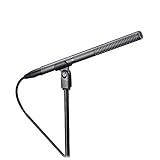
- Designed for video production and broadcast (ENG/EFP) audio acquisition
- Short length (11") ensures mic stays out of the shot -- even when used with...
- Smooth, natural-sounding on-axis audio quality

The Audio-Technica AT897 is renowned for its exceptional performance in capturing high-quality audio, especially in outdoor settings. As a shotgun mic, it is specifically designed to focus on the subject’s voice while effectively minimizing ambient noise, making it an ideal choice for interviews conducted in bustling environments. Its long, narrow design allows it to be mounted on a boom pole or attached directly to a camera, providing versatility in various recording scenarios. The AT897 features a smooth, natural-sounding frequency response that ensures the capture of both low and high frequencies with clarity, making it suitable for recording a wide range of vocal tones. Additionally, its robust build quality ensures durability, even in challenging weather conditions, making it a reliable choice for field reporters and documentary filmmakers. The microphone’s ability to reject off-axis noise and its compatibility with various recording devices, including cameras and audio recorders, further enhance its appeal to professionals seeking pristine audio quality in their interviews.
RØDE Interview PRO

- Handheld wireless microphone for RØDE Series IV receivers, including...
- Broadcast-grade omnidirectional condenser capsule for rich, detailed and...
- Intelligent GainAssist technology automatically adjusts volume levels for...
The RØDE Interview PRO is a high-quality handheld microphone perfect for media professionals and content creators. Its robust build and internal shock mount minimize handling noise, ensuring clear audio capture. Featuring a cardioid pick-up pattern, it focuses on the interviewee’s voice while reducing background noise, making it ideal for noisy environments.
This versatile microphone suits live interviews, TV reports, podcasting, and vlogging. Its ergonomic design and internal pop filter ensure comfort and pristine audio quality. Compatible with cameras, smartphones, and audio recorders, it offers seamless connectivity.
The RØDE Interview PRO excels in maintaining audio quality in challenging conditions, capturing every nuance of the speaker’s voice with clarity. Its durability and reliable performance make it a top choice for professionals seeking exceptional sound quality.
DJI Mic Mini

- Small but Mighty - The DJI Mic Mini lavalier microphone transmitter is...
- Detail-Rich Sound - Mic Mini wireless microphones delivers high-quality...
- Extended Battery, More Recording Time - Mic Mini wireless lavalier...
The DJI Mic Mini is a compact wireless microphone system perfect for interviews and content creation. Known for its portability and ease of use, it provides high-quality audio capture across various environments. The system includes a transmitter and receiver that easily attach to clothing or a camera, making it ideal for mobile interviews.
With a long battery life, the DJI Mic Mini ensures uninterrupted recording sessions. It features a wide frequency response range, delivering clear and detailed audio. Its robust wireless transmission maintains a stable connection, even in crowded areas.
This microphone system is ideal for vloggers, journalists, and filmmakers seeking a reliable and discreet audio solution. Its compact design and high-quality audio capture make it suitable for both bustling cities and quiet studios. Compatible with various recording devices, the DJI Mic Mini is a valuable addition to any audio setup.
RØDE Wireless Go II

- Ultra-compact and easy-to-use dual-channel wireless microphone system for...
- Analogue and digital USB outputs that are compatible with cameras Windows...
- Transmitters have over 40 hours of on-board recording function to ensure...
The RØDE Wireless Go II is a popular wireless microphone system favored by content creators for its versatility and ease of use. It includes two transmitters and one receiver, ideal for capturing audio from two speakers at once, making it perfect for interviews. Its compact design allows for easy attachment to clothing or camera rigs, ensuring unobtrusive, high-quality audio.
With a range of up to 200 meters in open sight, it’s excellent for outdoor interviews or when distance is needed. Onboard recording provides a backup, preventing data loss. The system’s wide frequency response captures the full richness of the speaker’s voice.
The RØDE Wireless Go II includes features like a built-in windscreen and adjustable gain settings to manage background noise, ensuring clear audio in any environment. Compatible with smartphones, cameras, and audio recorders, it offers seamless connectivity and pristine sound quality, making it a top choice for interviews.
Shure SM58 Pro XLR Dynamic Microphone

- LEGENDARY VOCAL CLARITY: A finely tuned frequency response with subtle...
- TRUSTED WORLDWIDE: The microphone of choice for artists and performers...
- PRECISION CARDIOID PERFORMANCE: A uniform cardioid pickup pattern focuses...
The Shure SM58 Pro XLR Dynamic Microphone is a legendary tool renowned for its reliability and exceptional audio quality, making it an industry standard for interviews and live performances. Its unidirectional cardioid polar pattern is designed to isolate the main sound source, minimizing background noise and ensuring clear audio capture. This makes it an excellent choice for both indoor and outdoor interviews, where ambient noise can be a challenge. Its tailored frequency response and ability to handle a wide range of sound levels make it a great interview mic for both dynamic settings and live performances.
In addition to its impressive audio capabilities, the SM58 is built to withstand rigorous use, thanks to its durable construction and robust metal casing. This durability ensures that the microphone can handle the demands of frequent fieldwork and travel, maintaining its performance over time.
The SM58 also features an internal pneumatic shock mount system that reduces handling noise, making it ideal for handheld use during interviews. Its frequency response is tailored for vocals, providing a brightened midrange and bass roll-off to control the proximity effect, which enhances the clarity and presence of the speaker’s voice.
FAQ
What type of microphone is best for interviews?
Dynamic microphones are industry standards for interviews due to their durability, excellent background noise rejection, and ability to handle high sound pressure levels. They work exceptionally well in uncontrolled environments and don’t require phantom power. For controlled studio settings, large-diaphragm condenser microphones provide superior detail and clarity but are more sensitive to background noise.
Should I use a lavalier or handheld mic for interviews?
Lavalier microphones offer hands-free operation and consistent audio quality, making them ideal for video interviews where you want the microphone to be less visible. Handheld microphones provide better control over audio pickup and are preferred for dynamic interview situations where you might pass the mic between multiple speakers. For professional broadcast interviews, lavaliers are typically preferred for their discreteness and consistent positioning.
What’s the difference between dynamic and condenser mics for interviews?
Dynamic microphones are more rugged, require no external power, and excel at rejecting background noise, making them perfect for field interviews and noisy environments. Condenser microphones offer superior sensitivity and frequency response, capturing more detail and nuance in voices, but they require phantom power and are more susceptible to handling noise and environmental sounds. Choose dynamic for versatility and durability, condenser for studio quality in controlled environments.
How do I reduce background noise during interviews?
Use directional microphones positioned close to the speaker (6-12 inches), employ windscreens or pop filters to reduce breath sounds, and choose locations with minimal ambient noise. Dynamic microphones naturally reject more background noise than condensers. For post-production, noise reduction software can help, but prevention during recording is always preferable. Consider using noise gates or high-pass filters to eliminate low-frequency rumble from air conditioning or traffic.
Do I need a windscreen or pop filter for interview recording?
Yes, windscreens are essential for outdoor interviews to prevent wind noise from ruining audio, while pop filters help reduce plosive sounds (P and B sounds) in controlled indoor settings. Most professional interview microphones come with foam windscreens, and handheld mics often have built-in pop protection. For lavalier mics, small windscreens are crucial since they’re positioned close to the mouth and sensitive to breath sounds.
Can I use a shotgun microphone for sit-down interviews?
Shotgun microphones work well for sit-down interviews when mounted on a boom pole or stand, positioned just outside the camera frame pointing at the subject. They offer excellent directional pickup and can capture clear audio while maintaining visual discreteness. However, they require skilled operation to maintain proper positioning and may pick up room reflections if not used carefully. They’re particularly effective for single-person interviews in controlled environments.
What’s better for interviews – USB or XLR microphones?
XLR microphones offer superior audio quality, greater flexibility with professional equipment, and no digital conversion issues, making them preferred for professional productions. USB microphones provide convenience for direct computer recording and are perfect for remote interviews, podcasts, or situations where simplicity is crucial. Many modern microphones like the Samson Q2U offer both connections, giving you the best of both worlds.
How close should the microphone be to the person being interviewed?
For handheld dynamic microphones, maintain 6-8 inches distance to balance audio quality with natural movement. Lavalier microphones should be positioned 6-8 inches below the mouth, typically on the lapel or collar area. Shotgun microphones can work effectively from 2-4 feet away when properly aimed. Closer positioning generally provides better signal-to-noise ratio, but too close can cause proximity effect and breathing sounds.