What is 500 Series Racks?
500 series racks are specialized chassis designed to house 500 series modules, which are compact audio processing units standardized to fit within a specific form factor. These racks provide the necessary power, signal routing, and physical support for the modules, enabling users to build a customized modular audio system. The 500 series format allows for a wide range of modules, including preamps, compressors, EQs, and effects, to be combined within a single rack, making it an incredibly versatile solution for both studio and live sound applications.
The modular nature of 500 series racks means that users can start with just a few modules and expand their setup over time by adding more units as needed. This flexibility is particularly appealing to engineers and producers who want to tailor their gear to specific tasks without investing in full-sized, standalone units. The compact size of the modules and racks also makes them ideal for portable setups, enabling professionals to take high-quality processing gear on the road with ease. The 500-series format gained popularity in the mid-2000s with more manufacturers creating compatible modules and racks.
The design of 500 series racks typically includes multiple slots, each equipped with a 15-pin edge connector that supplies power and audio signals to the installed modules. These slots are standardized to accommodate modules from various manufacturers, ensuring broad compatibility across the industry. The racks also feature robust power supplies that provide the necessary ±16V rails required by most 500 series modules, though some manufacturers upscale this to higher voltages for improved performance, along with phantom power for condenser microphones and other devices that need it.
Historically, the 500 series format was developed by API founder Saul Walker in 1968, initially as a way to modularize components of mixing consoles. Over time, it evolved into a standalone modular system with dedicated racks, gaining popularity for its space-saving design and flexibility. The first standalone racks for the 500 series were manufactured by Datatronix in 1978. Today, 500 series racks are a staple in professional and home studios alike, offering a cost-effective and adaptable platform for high-quality audio processing.
Types of 500 Series Racks
500 series racks come in various types and configurations to suit different studio needs and preferences. The most common types include portable lunchbox-style racks, desktop racks, and larger rack-mountable chassis designed for permanent studio installations. Each type offers distinct advantages depending on your workflow, space, and mobility requirements.
Portable Lunchbox Racks
Lunchbox racks are compact, lightweight, and designed for easy transport, making them ideal for engineers and producers who work in multiple locations or need a mobile setup. These racks typically have between three to eight slots and often include a built-in internal power supply. The API Lunchbox is a classic example, known for its rugged construction and portability. Portable racks allow you to carry your favorite modules conveniently while maintaining professional audio quality on the go.
Desktop Racks
Desktop 500 series racks are designed to sit comfortably on a studio desk or workstation. They often feature a moderate number of slots, such as six or eight, and may include additional features like headphone outputs or monitor controls. These racks strike a balance between portability and functionality, offering enough space to house essential modules while keeping the setup accessible and ergonomic.
Rack-Mountable Chassis
For more permanent studio setups, rack-mountable 500 series chassis offer the ability to mount multiple modules in a standard 19-inch rack, often occupying 2U or 3U of rack space. These chassis can accommodate a larger number of modules, sometimes up to 10 or 11 slots, and often feature external power supplies for abundant power and reduced noise. Rack-mountable units are favored in professional studios where space is optimized and a higher degree of modularity is required.
Single-Slot and Specialty Chassis
In addition to multi-slot racks, there are single-slot chassis designed to power and house one module independently. These are perfect for users who want to run a single 500 series module without investing in a full rack. Specialty chassis may also include unique features, such as integrated patch bays, summing mixers, or digital connectivity options, expanding the functionality beyond just housing modules.
Essential Features to Consider in 500 Series Racks
Rack Ears and Mounting Options
Look for racks with sturdy rack ears and multiple mounting points. This makes it super easy to mount the rack in your studio or portable setup using screws. Some racks can also be mounted in standard 19-inch racks using adapters, providing flexibility for professional installations. Additionally, racks with adjustable or removable rack ears can offer more versatility, allowing you to customize the mounting to fit unique studio configurations or portable cases.
Phantom Power
Essential for powering condenser microphones or modules requiring phantom power, this feature is a must-have for many engineers. Some racks provide dedicated phantom power switches per channel, enabling selective activation to prevent unwanted noise or damage to non-phantom-powered modules or microphones. Reliable and stable phantom power delivery ensures consistent performance across all compatible devices.
Quality of Connectors and Panels
High-quality connectors and durable front panels ensure reliable signal flow and longevity. Look for gold-plated connectors or robust locking mechanisms that minimize signal degradation and accidental disconnections, especially in live or mobile environments. The build quality of the chassis itself also contributes to shielding against electromagnetic interference, improving overall audio fidelity.
Ability to Link Modules
Some racks and modules allow you to link channels for stereo processing or advanced routing. This is particularly useful when working with stereo EQs, compressors, or effects that require matched control across two modules. Link functionality can simplify your workflow and maintain sonic consistency between left and right channels.
Portability and Size
Depending on your setup, you might want a rack that is lightweight and compact for easy transport. Consider the total weight, handle placement, and protective casing options if you frequently move your gear between studios or live venues. Some manufacturers offer ruggedized cases or padded covers specifically designed for their racks, adding an extra layer of protection during transport.
Top 500 Series Racks
Cranborne Audio 500R8
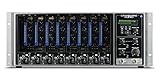
- 28-in/30-out with 8 500 Series Slots
- USB Audio Interface
- Monitor Control
The Cranborne Audio 500R8 is a standout choice among the best 500 series racks, offering eight slots of high-quality module accommodation combined with an integrated summing mixer and monitor controller. This rack is designed for engineers and producers who want a comprehensive and versatile solution that goes beyond simply housing modules. Its robust construction and thoughtful design make it an excellent centerpiece for both project and professional studios.
One of the key features of the 500R8 is its built-in summing mixer, which allows users to blend multiple audio channels directly within the rack, reducing the need for additional outboard gear. This feature is particularly useful for those seeking a clean, analog summing path, which can enhance the depth and warmth of mixes. The monitor controller integrated into the 500R8 provides precise control over listening levels and monitoring sources, streamlining the workflow by combining critical functions into one unit.
The rack delivers abundant power to all eight slots, ensuring stable and consistent operation even when fully loaded with power-hungry modules. Its power supply is carefully engineered to minimize noise and interference, preserving the pristine audio quality that users expect from high-end 500 series gear. The chassis includes sturdy rack ears and high-quality connectors, making installation super easy in both studio racks and portable setups.
Connectivity options on the 500R8 are versatile, featuring balanced inputs and outputs that facilitate seamless integration with other studio equipment. The rack also supports module linking for stereo processing or side-chain control, allowing engineers to create complex signal chains with ease. The spacious design provides enough space to accommodate a wide range of modules, including larger double-width units, making it a flexible choice for evolving studio needs.
Rupert Neve Designs R10 Ten Space
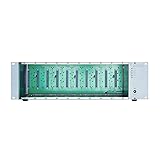
- 10-slot 500 Series Chassis with LED Current Consumption Meter
- Double-shielded Internal Power Supply
- Variable-position Screw Holes
The Rupert Neve Designs R10 is a premium 500 series rack that offers ten slots of high-quality module accommodation, making it an excellent choice for engineers and producers who demand a higher degree of confidence and flexibility in their audio setup. Generally, a 10-slot 500-series rack is designed to provide enough current to support multiple modules, ensuring optimal operation. Known for its robust build quality and meticulous engineering, the R10 provides abundant power, ensuring that even the most power-hungry modules perform optimally without compromising headroom or introducing noise.
One of the standout features of the R10 is its advanced power supply system, which delivers more than 150% of the required current for a fully loaded ten-slot chassis. This generous power margin helps prevent voltage drops and maintains stable power rails, even when running modules that exceed the standard current specifications. The internal power supply is carefully designed and double-shielded to minimize magnetic interference, preserving the pristine audio quality that Rupert Neve gear is renowned for.
The R10 also includes an LED current meter that allows users to monitor power consumption in real time. This feature is invaluable for troubleshooting and ensures that the rack is operating within safe power limits. Additionally, the rack supports VCA linking through dedicated link jumpers, enabling compatible compressor modules to share control signals for stereo or dual-mono operation, enhancing creative possibilities in mixing and processing.
Connectivity-wise, each channel on the R10 features balanced XLR and TRS inputs and outputs wired in parallel, providing versatile options for integration with other studio gear. The chassis is built from solid steel with high-quality connectors and mounting hardware, ensuring durability and reliability in both studio and live environments. Its universal voltage IEC input supports a wide range of power sources, making it suitable for international use.
Lindell Audio 510 Power MKII

- 10-slot 500 Series Chassis with External Power Supply
- Overload and Short-circuit Protection
- Power-rail LED Indication
The Lindell Audio 510 Power MKII is a robust and reliable 500 series chassis designed to deliver consistent power and excellent build quality for professional audio setups. This rack features multiple slots with standardized 15-pin edge connectors, ensuring compatibility with a wide range of 500 series modules. Its design emphasizes durability and efficient power distribution, making it suitable for both studio and live environments.
One of the standout features of the 510 Power MKII is its high-quality power supply, which provides stable ±16V rails and phantom power to all slots. This ensures that modules receive the abundant power they need to perform optimally, even when the rack is fully loaded with demanding units. The chassis is engineered to minimize noise and interference, preserving the clarity and integrity of your audio signals.
The Lindell 510 Power MKII also includes sturdy rack ears and a durable metal construction, making it easy to mount in standard 19-inch racks or use as a portable solution. Its compact size allows for efficient use of rack space without sacrificing the ability to accommodate multiple modules. The chassis supports linking of modules for stereo or dual-mono operation, enhancing creative flexibility in signal processing.
In addition to its core functionality, the 510 Power MKII offers convenient features such as balanced inputs and outputs, allowing seamless integration with other studio gear. The chassis is designed with user-friendly access to connectors and power switches, streamlining setup and adjustments during sessions. Whether you’re building a simple channel strip or a complex modular system, the Lindell Audio 510 Power MKII provides a dependable foundation with enough space and power to grow your audio gear collection.
Moreover, the Lindell 510 Power MKII is designed with future expansion in mind. Its power supply is capable of handling additional modules that may require slightly higher current draws, preventing the need for immediate upgrades as your collection grows. This forward-thinking approach helps users avoid the common pitfall of outgrowing their chassis too quickly, saving both time and money in the long run.
Overall, the Lindell Audio 510 Power MKII stands out as a well-rounded chassis that meets the demands of modern audio engineers. Whether you’re recording acoustic guitar, mixing complex sessions, or experimenting with various channel strips and compressors, this rack offers the flexibility and reliability needed to support your creative workflow.
Conclusion
Whether you opt for the convenience of an internal power supply or the abundant power of an external one, make sure your chassis offers solid construction, reliable power rails, and enough slots to accommodate your evolving gear. Look for essential features like phantom power, sturdy rack ears, and module linking capabilities that elevate your audio setup to professional levels. With industry-standard compatibility and rugged design, a top-notch 500 series rack is your gateway to a customizable, modular studio powerhouse ready to grow with your sound.
FAQ
How many modules should I start with in a 500 series rack?
For most users, starting with two or three modules in a 500 series rack is common, especially when building a simple channel strip setup with a preamp, EQ, and compressor. This allows you to get familiar with the modular system without overwhelming your rack space or budget. As you grow more comfortable and your studio needs expand, you can upgrade to larger 500 series racks that accommodate eight modules or more, providing greater flexibility and enhanced processing capabilities.
What is the difference between internal and external power supplies in 500 series racks?
Internal power supplies are integrated within the 500 series rack chassis, offering a streamlined and portable solution with fewer cables and easier setup. However, external power supplies, which are separate units connected to the rack, often provide more abundant power and better electrical isolation. This can reduce noise and interference, especially in demanding studio environments. 500-series chassis can vary significantly in power supply design, with some utilizing switch-mode supplies and others using linear ones. Choosing between internal and external power supplies depends on your specific workflow, portability needs, and preference for noise performance in your 500 series rack system.
Can I mix 500 series modules from different manufacturers in one rack?
Yes, the 500 series format is standardized to ensure compatibility across manufacturers. Most 500 series racks are designed to house modules from various brands, allowing you to customize your rack with different preamps, compressors, EQs, and effects. This flexibility is one of the key advantages of 500 series racks, enabling you to tailor your audio gear to your unique sound and workflow preferences. The VPR Alliance publishes specifications to ensure 500-series products adhere to common standards across manufacturers.
How do I know if my 500 series rack provides enough power for all my modules?
Many high-quality 500 series racks include a current meter or power monitoring feature that displays how much power is being consumed by the installed modules. It’s essential to check the power requirements of each module and verify that your rack’s power supply can handle the total current draw, especially when the rack is fully loaded. Ensuring your 500 series rack delivers stable and sufficient power helps maintain optimal performance and prevents issues related to power overload.
What features should I look for when choosing a 500 series rack?
When selecting the best 500 series rack, prioritize features such as sturdy rack ears for secure mounting, phantom power to support condenser microphones and compatible modules, and high-quality connectors and panels for reliable audio signal flow. The ability to link modules for stereo processing or side-chain sharing is valuable for creative routing and consistent sound. Additionally, consider racks with enough slots to accommodate your current modules and allow for future expansion. Some advanced 500 series racks also include built-in summing mixers, monitor controllers, or patch bays, which can greatly enhance your studio workflow and flexibility.