What is a Violin Rosin?
Violin rosin is a solid form of resin derived primarily from the sap of pine trees. It is applied to the hair of a violin bow to provide the necessary friction between the bow and the strings. Without rosin, the bow hair would simply slide across the strings without producing sound. The sticky rosin particles adhere to the bow hair, allowing it to grip the strings and make them vibrate, which creates the instrument’s sound. Using too much rosin can cause excessive rosin dust and a scratchy tone, so applying enough rosin is important for optimal sound quality. New rosin cakes often provide better sound and grip compared to old rosin, which can dry out and lose effectiveness. Different rosins may work better with specific strings, such as dominant strings or Peter Infeld strings, and the choice of rosin can significantly affect playing style and tone. Making rosin involves heating tree sap until it solidifies into a cake, which is then used by string players worldwide. One cake of rosin can last a long time if used properly, but players should avoid over rosining to maintain a smooth sound and protect their instrument.
Types of Violin Rosin
Violin rosins come in several types, each designed to suit different playing conditions, preferences, and instruments. Understanding these types helps you choose the best violin rosins for your needs.
Dark Rosin
Dark rosin is softer and stickier compared to its lighter counterparts. It offers superior grip on the bow hair, making it ideal for players who require more friction, such as those playing in dry climates or using gut or synthetic strings. Dark rosin produces a warm, rich tone favored by soloists and orchestral musicians seeking a robust sound. However, it tends to generate more rosin dust and can be sticky in humid environments.
Light Rosin
Light rosin is harder and smoother, providing less friction than dark rosin. It is preferred in humid climates where excessive stickiness can be a problem. Light rosin produces a bright, crisp sound that suits chamber music and players who desire precision and clarity. It also tends to create less rosin dust, making it easier to maintain the instrument’s cleanliness.
Amber Rosin
Amber rosin falls between dark and light rosins in terms of hardness and stickiness. It offers a balanced grip and tone, making it a versatile choice for many players. Amber rosins are suitable for a range of climates and playing styles, providing a warm but clear sound without excessive dust or stickiness.
Handmade Violin Rosin
Handmade violin rosin, such as Leatherwood Bespoke Rosin, is crafted using high-quality natural ingredients, often sourced from pine trees. These rosins are carefully formulated to enhance specific tonal qualities and playing characteristics. Handmade rosins are favored by professional musicians for their superior sound, smooth application, and controlled dust production.
Specialty Rosins with Additives
Some rosins include additives like gold or silver flecks, which are believed to subtly enhance the warmth or brightness of the sound. For example, Pirastro Goldflex Rosin contains tiny gold flecks that improve grip and add a warmer sound. While these additives do not drastically change the rosin’s basic properties, they can contribute to a more refined tonal experience.
Understanding the different types of violin rosin helps string players select the perfect rosin to match their instrument, strings, climate, and playing style, ensuring optimal sound quality and performance.
Key Features of Violin Rosins
Composition and Source
Most violin rosins are made from tree sap, primarily derived from pine trees. This natural resin is heated and processed to create solid cakes or blocks of rosin. Some rosins include additional ingredients or additives, such as precious metals like gold or silver flakes, which can subtly enhance the sound quality by adding warmth or brightness.
Texture and Hardness
Rosins vary in hardness and texture, which affects how they interact with the bow hair and strings. Dark rosins tend to be softer and stickier, providing stronger grip and a warmer tone. Light rosins are harder and smoother, offering a crisp, bright sound and are less prone to melting in warm climates. Amber rosins fall somewhere in between, offering a balanced performance.
Climate Suitability
The choice between light and dark rosin often depends on the climate. Dark rosin performs well in dry environments by providing extra grip, while light rosin is preferred in humid conditions to prevent excessive stickiness. Some players keep multiple rosins on hand to adapt to seasonal changes.
Dust Production
Rosin dust is a common byproduct of playing and can vary between brands and types. High-quality rosins typically produce less rosin dust, which helps keep the instrument clean and reduces potential allergic reactions. Players sensitive to dust may opt for hypoallergenic or low-dust rosins.
Effect on Sound Quality
The type and quality of rosin significantly impact the violin’s tone. Handmade violin rosin, such as Leatherwood Bespoke Rosin, is often crafted to enhance specific tonal qualities, offering a warm and rich sound favored by professional players. Conversely, cheap rosin may lack tonal refinement and produce excessive dust.
Longevity and Usage
Rosin cakes can last a long time, but their effectiveness diminishes as they age and dry out. Using old rosin can result in a scratchy, unpleasant tone. Regular replacement ensures consistent sound quality. Some players also notice that rosin interacts differently with various strings, such as steel or synthetic, affecting how often they need to reapply.
Packaging and Protection
Rosin comes in various forms, including boxed cakes and unboxed blocks. Protective packaging helps prevent the brittle rosin from cracking or shattering. Some premium rosins come in elegant wooden boxes or cases that also add to their appeal.
Best Violin Rosins
Jade L’Opera Rosin
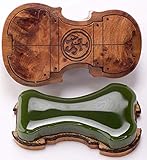
- Jade L'Opera rosin for violin, viola and cello
- Comes in an elegant and durable carved burl wood box shaped like a...
- Perfect for winter or summer, with a smooth yet firm grip for dust-free...
Jade L’Opera Rosin is a highly esteemed choice among violinists, violists, and cellists, known for its exceptional quality and traditional craftsmanship. Made in France using centuries-old recipes, this rosin offers a superb balance of grip and smoothness, allowing players to achieve a warm and rich tone with minimal effort. Its formulation is designed to provide a consistent and reliable grip on the bow hair without producing excessive rosin dust, making it a favorite among professionals and advanced musicians.
One of the standout features of Jade L’Opera Rosin is its durability. The grip it provides lasts for several hours during practice or performance without noticeable degradation, which means fewer applications are needed. This longevity makes it especially suitable for musicians who play frequently or for extended periods.
Jade L’Opera Rosin is also praised for its versatility, performing well across various climates and with different types of strings, including synthetic and metal. Its balanced texture helps maintain control and precision, whether you are playing delicate chamber music or powerful solo pieces.
The rosin is typically presented in an elegant carved wooden box, often shaped in a style reminiscent of a Stradivarius violin, complete with a velvet cloth for protection. This presentation not only preserves the rosin but also adds a touch of sophistication to your instrument care routine.
For violinists seeking a rosin that combines historical tradition, superior sound quality, and practical benefits like low dust and lasting grip, Jade L’Opera Rosin stands out as one of the best violin rosins available.
Cecilia ‘A Piacere’ Rosin for Violin

- Offers a well blended, refined sound.
- Slightly less projection than our ‘SOLO’ formula.
- Provides a unique bowing sensation when in contact with the string and...
Cecilia ‘A Piacere’ Rosin is a well-regarded choice among violinists, especially favored by intermediate and professional players. This rosin is known for its slightly sticky texture, which offers excellent grip on the bow hair, allowing for powerful and expressive playing. It produces a warm and rich sound that enhances the tonal qualities of the violin, making it suitable for solo performances and orchestral settings alike.
The formulation of Cecilia ‘A Piacere’ Rosin is designed to work well with a variety of string types, including synthetic and metal strings, providing consistent friction and responsiveness. Players often appreciate how this rosin facilitates clear articulation and dynamic control, enabling them to execute delicate passages as well as robust, energetic bowing with ease.
One notable aspect of Cecilia rosin is its moderate dust production, which strikes a balance between effective grip and cleanliness. This makes it a practical choice for musicians who want to maintain their instrument’s condition without sacrificing performance quality.
Cecilia ‘A Piacere’ Rosin has a rich history and reputation, originally introduced under the Tartini name before being rebranded. Its enduring popularity is a testament to its reliability and the superior sound it helps produce. Many professional musicians recommend this rosin for its ability to bring out the best in both the instrument and the player.
For violinists seeking a rosin that combines a warm tone with a responsive feel and manageable dust levels, Cecilia ‘A Piacere’ Rosin remains a top contender among the best violin rosins available today.
Pirastro Goldflex Rosin For Violin

- Pirastro Model#002103
Pirastro Goldflex Rosin is renowned for its exceptional quality and is favored by many professional violinists. This rosin is unique because it contains tiny gold flecks embedded within the resin. These gold particles are not merely decorative; they serve to enhance the grip of the bow hair on the strings and contribute to a warmer, richer sound quality. The inclusion of gold flecks helps produce a smooth and balanced tone, making it easier for players to achieve nuanced dynamics and articulation.
This rosin is particularly well-suited for violinists using high-quality strings such as Pirastro strings and Evah Pirazzi Gold strings, as it complements their tonal characteristics by adding warmth without sacrificing clarity. It performs well across different types of strings, including steel strings and synthetic strings, providing consistent grip and sound quality.
Pirastro Goldflex Rosin is also appreciated for its moderate dust production, which helps keep the instrument cleaner during extended practice or performance sessions. While it is considered an expensive rosin, many players find that the investment is worthwhile due to the improved sound quality and playability it offers.
D’Addario Violin Rosin Guard with Light Rosin

- EXTENDS ROSIN LIFE: D'Addario's Rosin Guard helps players extend the life...
- MAGNETIC & COFORTABLE GRIP: The comfortable shock-absorbent grip allows for...
- SHOCK ABSORBENT: Shock-absorbent guard that protects rosin from breakage...

D’Addario Violin Rosin Guard with Light Rosin is a popular choice among violinists seeking a reliable and affordable rosin option. This rosin is known for its smooth application and balanced grip, making it suitable for a variety of playing styles and skill levels. The light rosin formulation offers a harder texture that produces a crisp, bright sound, ideal for players in humid climates or those who prefer a cleaner, less sticky feel on their bow hair.
The Rosin Guard packaging is designed to protect the rosin cake from damage and contamination, helping to prolong its lifespan and maintain its quality. This practical design is especially appreciated by students and frequent players who need a durable and portable rosin solution.
D’Addario’s light rosin works well with different strings, including steel and synthetic types, providing consistent friction without excessive rosin dust. It is an excellent choice for beginner and intermediate violinists who want a good rosin that supports clear articulation and smooth bowing without overwhelming the instrument.
In addition to its performance benefits, this rosin is also valued for its affordability and accessibility, making it a staple in many violinists’ cases. Whether you are practicing at home, performing in chamber music, or playing solo, D’Addario Violin Rosin Guard with Light Rosin offers a dependable option that enhances your playing experience without breaking the bank.
Conclusion
Ultimately, the right violin rosin transforms your playing experience by enhancing the connection between bow and string, unlocking richer tones and smoother articulation. Whether you prefer a warm, sticky grip or a crisp, light touch, understanding how rosin interacts with your instrument, strings, and environment allows you to elevate your sound and express your musical voice with greater clarity and confidence.
FAQ
How often should I apply rosin to my violin bow?
Generally speaking, applying rosin every few days is sufficient for regular practice. If you play frequently, you may need to apply rosin more often to maintain good grip. Typically, 3-5 strokes of rosin on the bow hair will provide enough friction without causing excessive rosin dust.
Can I use the same rosin on different bows?
It is possible to use the same rosin on different bows; however, when switching rosins, it’s important to clean the bow hair thoroughly with a soft cloth or special cleaner to remove any residual rosin. Mixing different rosins on the same bow hair can lead to unpredictable sound quality and performance.
What is the difference between dark and light rosin?
Dark rosin is softer and stickier, providing better grip and producing a warm and rich sound, making it ideal for dry climates and solo playing. Light rosin is harder and smoother, offering less friction and a brighter, crisper sound, which works well in humid environments and for chamber music.
Does rosin dust harm my violin?
Excessive rosin dust can accumulate on the instrument’s varnish and strings, potentially affecting sound quality and causing damage over time. It is important to clean your violin regularly with a soft cloth to remove rosin dust and prevent build-up.
What rosin is best for beginners?
Beginner violinists often benefit from medium-dark or amber rosins like Bernardel Rosin or D’Addario Kaplan, which provide a good balance of grip and smooth sound. These rosins are affordable and easy to use, helping new players develop good technique.