What are Studio Subwoofer?
Studio subwoofers are specialized speakers designed to reproduce the lowest frequencies in audio playback, typically ranging from 20 Hz up to around 120 Hz. Unlike regular studio monitors that focus on mid and high frequencies, subwoofers handle the deep bass sounds that are essential for a full and accurate representation of music and soundtracks. These devices are engineered to provide tight, clear, and distortion-free bass, which is crucial for mixing and mastering in any professional or home studio environment.
In a studio setting, the role of a subwoofer is not just to add volume to the bass but to reveal subtle details in the low-frequency spectrum that might otherwise be missed. This allows producers, engineers, and musicians to make informed decisions about the balance and impact of bass instruments, kick drums, bass guitars, and other low-end elements in their mixes.
Studio subwoofers come in various sizes, typically ranging from 8 inches to 18 inches in speaker diameter, with larger drivers generally delivering deeper and more powerful bass. The choice of speaker size depends on the size of the studio space and the type of music being produced. For example, electronic music and hip-hop benefit from subwoofers that can reproduce extremely low frequencies with precision, while smaller subs may suffice for acoustic or vocal-focused genres.
Key Features of Studio Subwoofers
Comprehensive Search and Compatibility
When searching for the right subwoofer, several features and specifications should be taken into account to ensure it fits your needs and space. A thorough search for the best studio subwoofers should include comparing features, reading reviews, and using search tools on websites or forums to make informed decisions. It’s also important to ensure your subwoofer is a good match for your existing monitors and audio equipment, including connector types, power ratings, and frequency response, to achieve optimal performance.
Frequency Response and Low-End Extension
The frequency response of a subwoofer indicates the range of frequencies it can reproduce. For studio use, look for a sub that can handle frequencies as low as 20Hz to 120Hz. This range covers the critical bass frequencies that most monitors cannot reproduce effectively. Most of the best studio subwoofer options are designed to enhance low-end monitoring for various music genres, ensuring versatility in your productions.
It’s important to set the correct crossover point, where the subwoofer takes over from the main monitors, to ensure seamless integration and accurate low-end reproduction.
A subwoofer with excellent low end extension will help you detect subtle bass details in your mix.
Room Correction and Room Modes
One of the biggest challenges in a studio or home studio is dealing with room acoustics. Room modes can cause certain bass frequencies to be exaggerated or diminished, leading to inaccurate monitoring. Many expensive units and popular brands now include room correction features that automatically adjust the subwoofer’s output to compensate for your room’s unique acoustics, ensuring a more precise and balanced sound. Bass frequencies are less directional than higher frequencies, which impacts how subwoofers can be positioned in a room, giving you more flexibility in placement.
Proper calibration ensures the subwoofer blends seamlessly with the rest of your speakers, delivering accurate low-frequency response.
Size and Space Considerations
The physical size of the subwoofer is another important factor. A small subwoofer might be ideal if you have limited space in your studio, but keep in mind that larger woofers typically deliver more powerful and deeper bass. Balancing speaker size with your available room space will help you get the best performance without overwhelming your setup.
In larger studios, some engineers opt for a matched pair of subwoofers to achieve more accurate low-end response and even bass coverage throughout the room.
Connectivity and Inputs
Look for a subwoofer that offers versatile input options such as XLR, RCA, and line inputs. This flexibility allows you to connect your sub to various monitors and audio interfaces easily. Additionally, features like adjustable crossover frequency controls let you fine-tune how the subwoofer blends with your main speakers. Be sure to consider the wattage of the subwoofer to ensure it matches your speaker size and power needs for optimal system performance. Ensure the wattage of your new subwoofer matches your current speakers unless you plan to upgrade the rest of your system soon.
Best Studio Monitor Subwoofers
Yamaha HS8 Studio Subwoofer

- 8inch bass-reflex powered subwoofer
- 22Hz - 150Hz frequency response
- High-power 150W amplifier

The Yamaha HS8S is a highly regarded studio subwoofer known for its precise bass reproduction and reliability. Featuring an 8-inch woofer and a frequency response extending down to 22 Hz, it delivers deep, clear low-end extension that complements a variety of studio monitors. With 150 watts of power, the HS8S provides ample volume for both small and medium-sized studio spaces.
One of the standout features of the Yamaha HS8S is its adjustable high- and low-cut filters, allowing users to fine-tune the crossover frequency to blend seamlessly with their main monitors. This flexibility ensures that the subwoofer provides tight, accurate bass without overpowering the mids and highs from your primary speakers. The HS8S also includes a phase switch to help align the subwoofer’s output with your monitors, minimizing phase cancellation and improving overall sound coherence.
Thanks to its solid build quality and Yamaha’s reputation for professional audio gear, the HS8S is a popular choice among music producers, audio engineers, and home studio enthusiasts. It is particularly well-suited for genres that demand clear, impactful bass such as electronic music, hip-hop, and film scoring. Additionally, the HS8S’s compact size makes it ideal for home studios with limited space, offering a balance between performance and footprint.
Yamaha HS8 Studio Subwoofer offers an excellent combination of power, precision, and versatility, making it one of the best studio subwoofers available for those looking to enhance their monitoring setup with accurate low-end extension.
ADAM Audio T10S Studio Subwoofer

- Extend your low end - The T10S is a powerful yet compact active subwoofer...
- Make the most of your T-Series Monitors — The T10S subwoofer is...
- Adjustable to fit your room and your setup – The downward facing woofer...
The ADAM Audio T10S is a premium studio subwoofer designed to deliver precise and powerful low-frequency reproduction, making it an excellent choice for professional and home studios alike. Featuring a 10-inch woofer, the T10S offers a frequency response extending down to 28 Hz, providing deep bass that complements a wide range of studio monitors. This subwoofer is engineered to provide tight and accurate bass without the unwanted boominess that can plague lesser models.
One of the key features of the ADAM Audio T10S is its advanced DSP (Digital Signal Processing) technology, which allows for precise control over the subwoofer’s output. This includes adjustable crossover frequency, phase control, and room correction capabilities, ensuring that the subwoofer integrates seamlessly with your main speakers and adapts to your studio’s unique acoustic environment. The inclusion of room correction helps to minimize the impact of room modes and standing waves, resulting in a more balanced and accurate low-end response.
The T10S is also equipped with multiple input options, including XLR and RCA connectors, making it versatile and compatible with most studio setups. Its robust build quality and sleek design make it a reliable and aesthetically pleasing addition to any studio space.
ADAM Audio T10S combines high-quality components, advanced technology, and user-friendly features to deliver a subwoofer that not only sounds good but also enhances the entire studio monitoring experience. Whether you are upgrading your current setup or adding a subwoofer for the first time, the T10S is a solid investment that can significantly improve your mix accuracy and confidence.
JBL Professional LSR310S
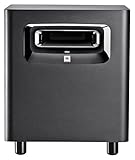
- This patented JBL port design works in concert with the LSR310S low...
- A JBL first, the XLF setting activates a specially-engineered tuning that...
- The custom-designed driver in the LSR310S exemplifies JBL engineering...
The JBL Professional LSR310S is a well-regarded studio subwoofer that provides deep, accurate bass reproduction for a variety of studio environments. Featuring a 10-inch driver, the LSR310S delivers a frequency response that extends down to 27 Hz, allowing producers and engineers to hear the lowest frequencies with clarity and precision. This subwoofer is designed to complement JBL’s popular LSR series monitors, making it an excellent choice for those who already own or plan to use JBL monitors in their setup.
One of the key features of the LSR310S is its Slip Stream bass port technology. This proprietary design reduces port noise and distortion, enabling the subwoofer to deliver tight, punchy bass even at low volume levels. This is particularly beneficial in smaller or untreated rooms where excessive bass can become muddy or overwhelming. The LSR310S also includes adjustable crossover frequency controls, allowing users to seamlessly blend the subwoofer with their main monitors for a cohesive soundstage.
Connectivity options include balanced XLR and unbalanced RCA inputs, providing flexibility to integrate with a wide range of audio interfaces and monitor controllers. With a power output of 200 watts, the LSR310S is capable of delivering a massive low-end presence without distortion, making it suitable for genres that rely heavily on bass, such as electronic music, hip-hop, and film scoring.
Thanks to its robust build quality, reliable performance, and reasonable price point, the JBL Professional LSR310S is among the most popular brands of studio subwoofers trusted by both home studio enthusiasts and professional audio engineers. It offers valuable feedback on the low-end content of mixes, helping users make precise adjustments that translate well across various playback systems.
Adding the JBL LSR310S to your studio setup can significantly enhance your monitoring system by extending the low end and providing a clearer picture of bass frequencies. Whether you’re upgrading your existing system or purchasing a new sub, this model offers excellent value for the money and is often found in stock at major retailers, sometimes even on sale.
PreSonus Eris Sub 8BT

- HONEST. The Eris Sub 8BT compact 8-inch, front-firing studio subwoofer with...
- EXPRESSIVE. Clear, accurate audio with a big low end – Eris Sub 8BT's...
- POWERFUL. The surprisingly loud, 100 watt Eris Sub 8BT drops down to a...
The PreSonus Eris Sub 8BT is a versatile and affordable studio subwoofer that offers excellent performance for home studios and project studios alike. Featuring an 8-inch driver, it provides tight and controlled bass with a frequency response that extends down to 35 Hz. One of the standout features of the Eris Sub 8BT is its Bluetooth connectivity, allowing you to stream audio wirelessly from your devices, which adds convenience for casual listening or quick reference checks.
Designed to complement the popular Eris series monitors, this subwoofer integrates smoothly with main speakers to extend the low-end response without overpowering the mids and highs. It includes adjustable crossover frequency and volume controls, enabling precise tuning to match your room acoustics and monitor setup. The compact size of the Eris Sub 8BT makes it suitable for smaller studio spaces where space is at a premium but accurate bass reproduction is still essential.
Despite its affordable price point, the Eris Sub 8BT delivers a professional-quality sound that helps producers and engineers make better-informed mixing decisions. It is especially beneficial for genres that rely heavily on bass, such as electronic music, hip-hop, and pop, where understanding the sub-bass content is critical.
PreSonus Eris Sub 8BT is a highly popular choice among budget-conscious musicians and producers seeking a reliable and easy-to-use subwoofer that enhances their monitoring system with clear, tight bass and flexible connectivity options.
Tips for Setting Up Your Studio Subwoofer
Choosing the right subwoofer is only part of the job. Proper setup is essential to get the most out of your new gear.
If you set up your subwoofer incorrectly, you can end up with the wrong bass balance, which can negatively affect your mixes.
Positioning and Volume
Place your subwoofer strategically in your room to minimize the impact of room modes. Avoid corners or spots where bass can become boomy or uneven. Adjust the volume and crossover settings so that the sub blends naturally with your main speakers, producing a balanced and tight bass sound.
Careful positioning and setup ensure you get the best performance and value for your cash investment in a subwoofer.
Calibration and Room Correction
If your subwoofer includes room correction technology, use it to optimize the sub’s output based on your room’s acoustics. Otherwise, consider using external calibration tools or software to measure and adjust for room modes. This step ensures that the bass you hear is accurate and reliable for mixing.
Imagine the clarity and balance you can achieve in your mixes with proper calibration.
Pairing with Monitors
When integrating a sub with your monitors, it’s important that the system sounds cohesive. The subwoofer should complement the monitors, extending the low end without masking the mids and highs. Testing with a variety of music and mixes will help you fine-tune the setup.
A properly paired subwoofer and monitors allow you to hear the full depth and low-end detail in every song, revealing nuances that might otherwise be missed.
Conclusion
Adding a studio subwoofer to your setup unlocks a new dimension of sound, revealing deep bass details that bring your mixes to life with clarity and power. When integrated thoughtfully, a subwoofer enhances your entire monitoring system, giving you the confidence to craft mixes that translate perfectly across all listening environments. Whether in a cozy home studio or a larger professional space, embracing the full spectrum of low frequencies transforms your music from good to unforgettable.
FAQ
What is the purpose of a studio subwoofer?
A studio subwoofer is designed to reproduce the lowest frequencies in audio playback, typically from around 20 Hz to 120 Hz. Its purpose is to provide an accurate and clear representation of bass frequencies that regular studio monitors cannot reproduce effectively, allowing producers and engineers to make informed decisions about the mix’s low-end content.
How do I choose the right studio subwoofer for my setup?
Choosing the right studio subwoofer depends on several factors including your room size, the type of music you produce, your existing main speakers, and your budget. Consider the speaker size, power rating, frequency response, and input/output options. Matching the wattage and size of the subwoofer to your main monitors ensures balanced sound and optimal performance.
Why is room correction important for studio subwoofers?
Room correction helps compensate for the acoustic characteristics of your studio space, such as room modes and standing waves that can cause uneven bass response. Many high-quality subwoofers include room correction technology to automatically adjust their output for a more accurate and balanced low-frequency sound.
How should I position my subwoofer in the studio?
Subwoofer placement is crucial for achieving accurate bass response. Avoid placing the subwoofer in corners or areas where bass can become boomy or uneven due to room modes. Experiment with different positions and use calibration tools or room correction features to find the optimal spot where the subwoofer blends seamlessly with your main speakers.
What is the significance of crossover frequency in a subwoofer?
The crossover frequency determines the point at which the subwoofer takes over from the main monitors in reproducing low frequencies. Setting the correct crossover frequency ensures a smooth transition between the sub and the monitors, preventing muddiness or gaps in the bass response.