When it comes to podcasting, having the right equipment can make all the difference in achieving professional sound quality. Among the essential gear, the best podcast mixers stand out as pivotal tools that function as audio mixers, combining multiple audio sources such as microphones and music into a unified output. They streamline the recording process, enhance audio quality, and provide versatile functionality for podcasters of all levels by making mixing multiple sources a core function. Whether you are a solo podcaster or hosting panel discussions, selecting a podcast mixer that suits your needs can significantly impact your podcasting journey by streamlining your production workflow.
What is a Podcast Mixer?
A podcast mixer is an audio device designed to manage multiple audio inputs (known as channels), such as microphones and music sources, allowing you to control levels, add effects, and blend sounds seamlessly. Unlike a basic audio interface, which primarily facilitates the connection between microphones and your computer, a podcast mixer offers more hands-on control with features tailored specifically for podcast recording. Podcasting mixers are specialized devices designed for podcasters, offering advanced features to enhance sound quality and streamline the production process.
Using a podcast mixer improves sound quality by providing high quality preamps and multiple mic inputs (making the choice of the right microphone crucial for optimal sound), which are essential for capturing clear, professional audio. Additionally, many podcast mixers come equipped with programmable sound pads and built-in effects that enable you to add sound effects, compression to help control audio levels, and music on the fly, enhancing the overall listening experience.
Key Features to Look for in the Best Podcast Mixers
When choosing the best podcast mixer, several features should be considered to ensure it meets your recording needs:
Mic Inputs and XLR Inputs
Look for mixers with multiple XLR inputs to connect condenser microphones and other XLR mics. Some mixers offer only two XLR inputs, which might be sufficient for solo podcasters, while others provide four mic inputs or even more for panel discussions and remote guests.
USB Connectivity and USB Audio Interface
A USB connection allows for easy integration with your computer or mobile devices, making the recording process straightforward. Many podcast mixers function as a USB audio interface, enabling direct digital recording without additional equipment.
Bluetooth Connectivity
Some podcast mixers offer Bluetooth support, allowing you to connect smartphones or tablets wirelessly for phone calls or remote guest interviews. Bluetooth connectivity adds convenience and flexibility to your podcast production setup.
Programmable Sound Pads and Built-in Effects
These features allow you to trigger sound effects, music, or jingles during live shows or recordings, adding professionalism and engagement to your podcast. They can also help reduce the need for extensive post production by letting you apply effects and edits live.
Headphone Jack and Monitoring
A dedicated headphone jack for each channel lets you monitor mic levels and audio quality in real time, ensuring your podcast sounds perfect before and during recording. Stereo monitoring is important for accurate sound reproduction and for checking the balance of your mix. Headphone outputs with individual volume control are common, enabling monitoring for each participant and ensuring everyone can hear their audio clearly.
Compact Form and Portability
For podcasters on the go, a compact, portable mixer is an all in one solution that simplifies setup and transportation.
Mix Minus and Phone Call Integration
Essential for remote interviews, mix minus functionality prevents echo and feedback during phone calls or live streaming with remote guests.
Top Podcast Mixers
Several podcast mixers have gained popularity for their features, reliability, and sound quality, making them some of the best mixers available for podcasting. These mixers streamline the recording process and help you record high-quality audio. There are also many other mixers on the market, each offering unique features and benefits for different podcasting needs. For instance, the Behringer Xenyx 1204USB is known for its high-quality audio, competing with more expensive options, and is praised for delivering clean, high-quality audio at an affordable price.
Mackie DLZ Creator
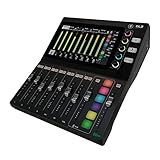
- Better. Faster. Creator. The DLZ Creator Adaptive Digital Mixer for...
- Create on your terms. Three control modes (Easy, Enhanced, Pro) instantly...
- AutoMix manages levels for up to four mics so you and your guests can all...

The Mackie DLZ Creator is a compact and user-friendly podcast mixer designed with solo podcasters and small teams in mind. It offers two XLR inputs, which are perfect for solo hosts or co-host setups, and features high quality preamps that ensure crystal-clear sound quality. The mixer’s straightforward functionality makes it an excellent choice for beginners who want to improve their podcast recording without a steep learning curve.
One of the key advantages of the Mackie DLZ Creator is its integration with mobile devices via USB connectivity, allowing podcasters to record directly to their computers or smartphones. This makes it a versatile tool for podcasters who want to record at home or on the go. Despite its compact form, it provides essential controls for mic levels and audio mixing, giving users the ability to fine tune their sound easily.
While it may not have as many inputs or advanced features as some higher-end mixers like the Rodecaster Pro II, the Mackie DLZ Creator stands out as a budget mixer that delivers reliable audio quality and ease of use. Its compact form factor and solid build make it a practical and portable option for podcasters starting their podcasting journey or those who prefer a simple setup without sacrificing sound quality. The Tascam Mixcast 4 is another great budget-friendly alternative that offers professional features at a price lower than the Rodecaster Pro II. The Rodecaster Duo is a compact solution for podcasters needing a portable mixer that supports quality audio without high complexity.
Rode Rodecaster Pro II
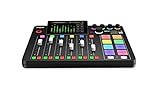
- EVERYTHING IN ONE DESK UNIT: 4 XLR mic inputs, headphone outs, sound pads...
- STUDIO SOUND, ZERO EXPERTISE: APHEX audio processing presets make voices...
- PODCAST, STREAM OR RECORD: multitrack to computer, microSD or USB drive...
The Rode Rodecaster Pro II is widely regarded as the best mixer for podcasting, designed specifically to meet the needs of podcasters. This all-in-one solution combines high-quality preamps, programmable sound pads, and touchscreen controls to provide an intuitive and powerful user experience. Its four XLR inputs accommodate multiple microphones, making it ideal for panel discussions and multi-host podcasts. The mixer also supports USB connectivity, allowing seamless integration with computers and mobile devices for recording and live streaming. Touchscreen controls enhance user experience and ease of navigation in modern mixers, making the Rodecaster Pro II a standout choice.
One of the standout features of the Rodecaster Pro II is its advanced built-in effects, including compression, equalization, and de-essing, which help fine tune your audio for professional sound quality without requiring extensive post production. The programmable sound pads enable you to trigger sound effects, music, or jingles on the fly, adding a polished and engaging touch to your podcast recordings or live shows. Built-in effects enhance sound quality without the need for additional software, making the Rodecaster Pro II a comprehensive solution for podcasters.
Portability is another advantage of the Rodecaster Pro II, as it supports direct recording to a MicroSD card, allowing podcasters to record on location without the need for a laptop. Bluetooth connectivity further enhances flexibility by enabling phone calls and remote guest interviews with ease. Its robust build and user-friendly interface make it a solid choice for podcasters looking to elevate their audio quality and streamline their recording process. Backup options on mixers provide reliability by avoiding dependency on computers during recordings, ensuring that your work is safe and accessible.
Zoom PodTrak P8

- YOUR COMPLETE PODCAST STUDIO IN ONE DEVICE – Record, mix, and edit up to...
- EVERY CONTROL A TOUCH AWAY – The 4.3" color LCD touchscreen puts mic...
- PHONE CALLS AND REMOTE GUESTS, NO ECHO – Record phone calls and remote...
The Zoom PodTrak P8 is a versatile and powerful podcast mixer designed to accommodate larger groups and more complex podcast setups. It features six XLR inputs, allowing podcasters to connect multiple microphones simultaneously, making it ideal for panel discussions, interviews, and roundtable formats. Each input channel comes with individual gain control and dedicated headphone outputs, enabling precise fine-tuning and monitoring for every participant. The Zoom PodTrak P4, another option, features four XLR inputs with individual gain control, making it suitable for recording multiple hosts. The LEDs on the Zoom PodTrak P4 help indicate when microphones are active, improving user interface during recordings.
In addition to its robust input options, the PodTrak P8 supports USB connectivity, functioning as a USB audio interface for seamless integration with computers and mobile devices. It also offers SD card recording, which provides a reliable backup and the flexibility to record directly without a computer. This feature is particularly useful for podcasters who record on location or prefer a standalone recording solution. Similarly, the Zoom PodTrak P4 can record directly onto an SD card, allowing for easy field recording.
The mixer includes programmable sound pads that let users trigger sound effects, music, or jingles during live shows or recordings, enhancing listener engagement and professionalism. Built-in effects such as compression and equalization help improve sound quality on the fly, reducing the need for extensive post production. The PodTrak P8 also supports mix minus functionality, ensuring clear phone call integration without echo or feedback when interviewing remote guests.
Portability is another strength of the Zoom PodTrak P8, with a compact design that suits both studio and field recording environments. Its straightforward functionality makes it accessible to both beginners and experienced podcasters, combining ease of use with advanced features. The Zoom PodTrak P4 is highly portable and can run on AA batteries or USB power, making it a flexible option for podcasters who need to record on the go. Overall, the Zoom PodTrak P8 stands out as a solid choice for podcasters seeking a budget mixer with comprehensive capabilities to elevate their podcasting experience.
TASCAM Mixcast 4

- Features: Mixcast 4 makes professional content creation easy. For podcast...
- Versatile: From audio recording to the mixing of recorded audio, the...
- Stress-Free Touch Panel Control: Equipped with four mic inputs and four...
The TASCAM Mixcast 4 is a versatile and user-friendly podcast mixer that caters to podcasters seeking a balance between functionality and ease of use. It features four XLR inputs, making it suitable for small to medium-sized podcast setups, such as panel discussions or interviews with multiple guests. Each input has individual gain control, allowing precise adjustment of mic levels to ensure balanced sound quality. Additionally, the Mixcast 4 includes sound pads for easy audio management, enabling podcasters to trigger effects or music seamlessly during recordings.
One of the standout features of the Mixcast 4 is its programmable sound pads, which provide quick access to sound effects, music, or jingles during live recordings. This capability helps podcasters add a professional touch and keep their audience engaged without needing complex post production editing.
The Mixcast 4 supports USB audio interface functionality, enabling seamless connection to computers and mobile devices for straightforward recording and live streaming. Additionally, it offers built-in effects such as compression and equalization, which help enhance audio quality by smoothing out volume fluctuations and improving clarity. Inline enhancements include equalization, low-cut filters, and compression for better sound processing. The Yamaha MG10XU, another popular option, delivers studio-quality effects and rock-solid preamps, making it a reliable choice for podcasters. It is also known for its reliable performance and sound quality, priced at $265.
Bluetooth connectivity is another valuable feature, allowing podcasters to easily integrate phone calls or remote guest interviews into their recordings. This makes the Mixcast 4 an excellent choice for podcasters who frequently work with remote guests or conduct interviews over the phone.
Portability is also a consideration with the Mixcast 4, as its compact form factor makes it convenient for podcasters who need to record on location or in various environments. Overall, the TASCAM Mixcast 4 strikes a solid balance between professional features and straightforward functionality, making it a popular option among podcasters looking for many cheaper mixers with versatile capabilities.
Conclusion
Selecting a podcast mixer is crucial for achieving professional sound quality and a smooth recording process. Whether you are a solo podcaster needing only two XLR inputs or hosting panel discussions requiring four mic inputs, there is a mixer tailored to your needs. From the feature-rich to budget-friendly options, investing in the right podcast mixer will enhance your podcasting journey, enabling you to focus on creating compelling content with outstanding audio.
FAQ
What is a podcast mixer?
A podcast mixer is a specialized audio device that allows podcasters to combine and control multiple audio sources, such as microphones, music, and sound effects, into a single, cohesive output. It offers features tailored for podcasting, including multiple mic inputs, programmable sound pads, built-in effects, and mix minus functionality to enhance the recording process and overall sound quality. Multi-channel control allows individual audio levels for each channel during recording, providing podcasters with greater flexibility and precision.
Do I need a podcast mixer to start podcasting?
No, a podcast mixer is not strictly necessary to start podcasting. Many beginner podcasters begin with a simple USB microphone and recording software. However, as your podcast grows or if you want more control over your audio, a podcast mixer can significantly improve your recording quality and workflow. Many beginner podcasters prefer the affordability and simplified setup of the Mackie Mix8 and Zoom PodTrak P4, which are excellent entry-level options. The Mackie Mix8 is highly recommended for its high-quality preamps and solid audio performance. The Mackie Mix8 is priced at $98, making it an excellent choice for those on a budget.
How many mic inputs do I need?
The number of mic inputs you need depends on your podcast format. Solo podcasters may only require one or two XLR inputs, while panel discussions or shows with multiple hosts and guests might need four or more. Consider future growth when selecting a mixer to ensure it can accommodate your needs.
What is mix minus, and why is it important?
Mix minus is a feature that prevents echo and feedback during remote interviews by ensuring that remote guests do not hear their own voice played back with a delay. This is crucial for maintaining clear and professional-sounding conversations when using phone calls or online call software.
Can I use condenser microphones with podcast mixers?
Yes, most podcast mixers with XLR inputs support condenser microphones, which require phantom power (usually 48V). High-quality preamps in the mixer provide the necessary power and ensure clear, noise-free audio capture.