Key Features to Look for in Toddler Headphones
When selecting toddler headphones, several important features should be considered to balance safety, comfort, and sound quality. Look for kid-friendly features such as kid-proof safety mechanisms and designs that are easy for kids to use. Safety features in headphones include volume limiting and child-friendly designs to prevent choking hazards, ensuring both safe listening and physical safety for toddlers. Families also appreciate headphones that allow customization with stickers, which helps kids feel more attached to the product and makes the headphones more enjoyable to use. Additionally, removable earpads are an important feature for maintenance and hygiene, as they allow parents to clean the headphones regularly and ensure they remain in good condition for long-term use.
Volume Limiting and Safe Volume
The most critical feature is the volume limited capability. Volume limit or volume output control prevents the headphones from exceeding safe volume levels, typically capped at around 85 decibels, which is considered safe for children’s hearing. Manufacturers set specific volume limits on kids’ headphones to ensure safe listening and prevent accidental exposure to loud sounds. Having a max volume setting, such as 74 dB or 85 dB, is important because it helps protect children’s hearing by ensuring the headphones cannot be turned up beyond a safe threshold. Volume limiting headphones help reduce the risk of hearing loss by preventing exposure to higher volumes common in normal headphones or adult headphones.
Comfortable Design for Sensitive Ears
Toddler headphones should have cushioned ear pads made from soft materials to protect sensitive ears. The adjustable headband is another important feature, allowing the headphones to fit snugly on smaller heads without causing pressure or discomfort. Customers find the headphones comfortable and soft, which is essential for ensuring toddlers can wear them for extended periods without irritation. It’s essential that headphones are specifically designed to fit small heads comfortably, ensuring a secure and gentle fit for toddlers. Lightweight headphones are easier for toddlers to wear comfortably for extended periods. A flexible design enhances durability and comfort, making the headphones suitable for active toddlers. Good toddler headphones should also be made from non-toxic materials to prevent any health hazards, ensuring they are safe for young children to use. Additionally, removable earpads are a valuable feature for maintenance and hygiene, allowing parents to clean the headphones easily and keep them in good condition.
Wired vs. Wireless Headphones
Both wired headphones and wireless headphones have their advantages. Wireless headphones, often Bluetooth headphones, offer convenience and freedom of movement without the hassle of cords. However, battery life is an important consideration for wireless models to ensure they last through plane rides or long haul flights.
Wired headphones, on the other hand, usually have a headphone jack and do not require charging. Some models come with a detachable cable, which is helpful for portability and reduces wear and tear. For toddlers, wired headphones can be a reliable choice, especially budget headphones that offer good audio quality and safety features without the need for frequent charging.
Noise Cancelling and Noise Isolation
Noise cancelling headphones and active noise cancellation features are beneficial for blocking out background noise and external noise, creating a quieter listening environment for toddlers. This is especially useful in noisy settings like airports or sporting events. Many kids headphones include passive noise isolation through cushioned ear pads that seal around the ears, reducing ambient noise without the need for electronic noise cancelling. In lab tests, white noise is often used to evaluate the effectiveness of noise cancelling and to measure safe sound levels.
Safety Standards and Testing
When shopping for kids headphones, it’s important to look for products that meet strict safety standards and have undergone thorough testing. Reputable brands, such as ONANOFF, ensure their headphones are tested by leading global laboratories like TÜV and UL. These tests confirm that the headphones comply with essential safety and environmental regulations, including RoHS, REACH, and PROP65. Many kids headphones claim to limit volume to 85 dBA, but testing shows that a significant percentage exceed this limit. By choosing kids headphones that have passed these rigorous tests, parents can feel confident that their child is using headphones designed for safety, durability, and quality. Always check for certifications and safety marks when selecting headphones for your kids to ensure a worry-free listening experience.
Comparing Different Types of Toddler Headphones
Volume Limiting Headphones
These headphones are specifically designed to cap the maximum volume output to safe levels. They are ideal for parents concerned about hearing protection and safe listening habits. Many kids headphones in this category also feature durable build quality and comfortable ear pads.
Noise Cancelling Headphones
Noise cancelling headphones use active noise cancellation technology to reduce background noise. While effective, these models tend to be more expensive and may have shorter battery life. For toddlers, passive noise isolation through cushioned ear pads is often sufficient and more budget-friendly.
Bluetooth and Wireless Headphones
Bluetooth headphones offer wireless convenience and are great for plane rides and long haul flights. Look for models with toddler mode or volume limiter settings to ensure safe volume levels. Battery life is essential to consider, especially for extended use.
Bigger kids, such as preteens, may prefer Bluetooth or wireless headphones with advanced features, but safety considerations like volume limits still apply.
Wired Headphones
Wired headphones with a headphone jack are reliable and typically more affordable. They do not require charging and often come with detachable cables for easy replacement. These are a good option for everyday use and travel.
Top Headphones for Toddlers
Puro Sound Labs BT2200s Volume Limited Kids’ Bluetooth Headphones – Safer Headphones for Kids
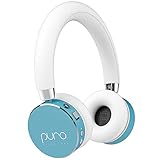
Puro Sound Labs BT2200s are a popular choice among parents looking for reliable, safe headphones for toddlers and kids. These Bluetooth headphones come equipped with a volume limiting feature that caps the maximum volume at 85 dB, which aligns with many health guidelines for protecting children’s hearing. Their wireless design offers freedom of movement, making them ideal for use during travel, school, or playtime.
One of the standout features of the BT2200s is their comfortable fit, thanks to cushioned ear pads and an adjustable headband designed to accommodate smaller heads. This ensures that toddlers and young children can wear them for extended periods without discomfort. Additionally, the headphones boast impressive sound quality for a kids’ model, delivering clear audio that keeps children engaged without being too loud.
Battery life is another advantage, with the BT2200s offering up to 20 hours of playback on a single charge, which is sufficient for long haul flights or day trips. The headphones also include a detachable cable option, allowing wired use when battery power runs low or when connecting to devices without Bluetooth capability. Customers find these headphones perfect for flights and road trips, describing them as a delightful addition to travel gear.
While the 85 dB volume limit is suitable for many kids, some experts recommend even lower limits for toddlers due to their more sensitive ears. Therefore, supervision and limiting listening time remain important to ensure safe listening habits. The BT2200s strike a good balance between safety, comfort, and audio quality, making them a solid option for parents seeking the best headphones for toddlers.
JLab JBuddies Play Gaming Wireless Kids Headset
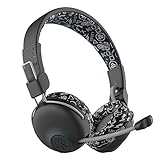
- Volume Safe: Built-in volume regulator ensures kids never listen past 85db...
- Wireless Bluetooth Freedom. Fits Ages 6 Years Old & Up: With young ones in...
- Gaming Audio: Designed for dual-use gaming, both mobile and console, the...
JLab JBuddies Play Gaming Wireless Kids Headset is a versatile option designed specifically for young gamers and learners. This wireless headset features a retractable boom microphone that extends when needed for clear communication during gaming sessions or online classes and retracts back into the earcup when not in use, maintaining a sleek and comfortable design. Unlike many other Bluetooth headphones, the microphone continues to function even when the headset is used with the optional wired cable, offering flexibility for different devices and situations.
Built with kids in mind, these headphones provide a comfortable fit with cushioned ear pads and an adjustable headband suitable for smaller heads. The volume limiting feature ensures that the maximum volume remains at a safe level to protect sensitive ears during extended use. With a battery life of up to 22 hours, the JBuddies Play supports long gaming sessions and travel without frequent recharging.
The best toddler headphones also includes a light-up mute button on the earcup, making it easy for kids to control their microphone during group calls or virtual classrooms. The controls are simple and intuitive, allowing children to adjust volume and mute the mic independently. While the sound quality is tailored to be fun and engaging, it maintains clarity to keep kids focused on their audio content.
Parents appreciate the sturdy build and the fact that the headphones accommodate both wireless and wired connectivity, making them a practical choice for various devices, including tablets, laptops, and gaming consoles. The JBuddies Play is especially suitable for kids aged 4 to 11 who enjoy interactive play, remote learning, or need a reliable headset for virtual communication.
Puro Sound Labs JuniorJams Volume Limiting Headphones for Kids 3+ Protect Hearing
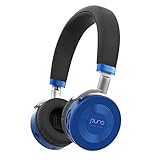
- HEAR TO PROTECT: Ordinary headphones let kids jam out at any volume...
The JuniorJams are at the lower end of the Puro Sound Labs wireless range. PuroBasic wired headphones are a great way to save money on Puro headphones. These wireless, foldable on-ear headphones are as good as their more expensive brothers, the BT2200 and PuroQuiet, and offer volume limiting (to the typical 85dB).
The sound quality is superb – maybe the finest we’ve heard on a children’s device – and these products appear to be of high quality. However, we found the maximum level to be significantly greater than the other headphones we tested here – this may not be a negative thing because some people find the volume limiters to be too low, but these headphones can go louder than we’d want on our heads, let alone a child’s. As a result, you must trust your child not to turn up the volume when you are not present, especially for the very young. A cable is available to connect two headsets and then share music with a single phone or other music-playing device through Bluetooth.
If the batteries run out of juice for wireless play – which Puro estimates is 22 hours – that cable may be used to connect to a phone (with a headphone jack or adaptor, of course). To play music, answer/reject calls, and adjust the volume, use the control buttons on the bottom of the right ear cup. They come with a nice carrying bag and all of the necessary wires to connect and charge them.
Onanoff BuddyPhones Explore+
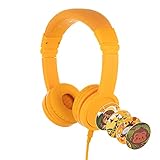
- AWARD-WINNING SAFE AUDIO FOR KIDS: BuddyPhones are kids headphones with the...
- KEY FEATURES: Added comfort and convenience for little explorers that...
- SLEEK, NEW LOOK: Redesigned with a sleek, new look, our bestselling...
Onanoff BuddyPhones Explore+ are wired headphones designed specifically for toddlers and young children who need a safe, durable, and comfortable listening experience. These budget headphones feature a volume limiter that caps the maximum volume output at 85 dB, which is aligned with many health guidelines to protect children’s sensitive ears. The wired design eliminates the need for batteries or charging, making them a reliable option for everyday use and travel for little ears.
One of the key benefits of the BuddyPhones Explore+ is their stable and secure fit, which is ideal for active toddlers who may be moving around or playing while using the headphones. The headphones are lightweight and have a flexible headband that adjusts to fit smaller heads comfortably without causing pressure or discomfort. The cushioned ear pads provide passive noise isolation, helping to reduce background noise and allowing toddlers to listen at safer volume levels.
The detachable cable is another practical feature, allowing for easy replacement if damaged and making the headphones more portable. The cable also includes a microphone, enabling toddlers to use the headphones for calls or remote learning activities. Parents appreciate the simple design and ease of use, as there are no complicated controls to manage, making it suitable for young children.
Durability is a strong point for the BuddyPhones Explore+, with materials chosen to withstand the rough handling typical of toddlers. The headphones are made from non-toxic, child-safe materials, ensuring safety beyond just audio protection. While the sound quality is not as advanced as more expensive wireless models, it is clear and sufficient for toddler use, focusing on delivering a safe and enjoyable listening experience.
iClever TransNova Kids Bluetooth Headphones Light Up with Replaceable Plate
No products found.
iClever TransNova Kids Bluetooth Headphones are a fun and functional choice for toddlers and young children. These wireless headphones feature a unique light-up design that captivates kids’ attention and makes wearing headphones more enjoyable. The replaceable plate allows children to personalize their headphones with different designs, adding a playful and customizable element that appeals to younger users.
Comfort is a key consideration, and these headphones come equipped with cushioned ear pads and an adjustable headband to fit smaller heads comfortably. The lightweight and flexible design makes them suitable for extended wear, whether at home, on plane rides, or during long haul flights.
The iClever TransNova headphones also include built-in buttons that are easy for kids to use, enabling simple control over volume and playback without requiring adult assistance. This user-friendly interface encourages independent use while maintaining safe listening habits.
Overall, the iClever TransNova Kids Bluetooth Headphones combine safety, comfort, and fun features, making them an excellent option for parents seeking the best headphones for toddlers that engage and protect young listeners.
Conclusion
Choosing the best headphones for toddlers involves considering safety features like volume limiting and comfortable design tailored for smaller heads and sensitive ears. Whether you prefer wireless Bluetooth headphones with active noise cancellation or reliable wired headphones with a headphone jack, prioritizing hearing protection and sound quality is essential. By selecting safe headphones and promoting safe listening habits, parents can ensure their child’s hearing is protected while allowing them to enjoy their favorite audio content comfortably.
FAQ
Can toddlers use headphones safely?
Yes, toddlers can use headphones safely as long as the headphones have a volume limiting feature that keeps the maximum volume under safe levels, ideally below 75-80 dB, and their use is supervised and time-limited. Prolonged exposure to loud sounds can lead to noise induced hearing loss, so it’s important to encourage safe listening habits and take regular breaks.
What is the safest volume limit for toddler headphones?
The safest volume limit for toddler headphones is generally considered to be under 75 dB, as toddlers have more sensitive ears that can be damaged by higher noise levels. Many kids headphones limit volume to 85 dB, which may be too loud for toddlers. Choosing headphones with a lower volume limit helps protect your child’s hearing.
Are wireless headphones better than wired for toddlers?
Wireless headphones, such as Bluetooth headphones, offer convenience and freedom from cords, making them ideal for travel and active use. However, they require battery power and charging. Wired headphones do not need charging and can be more reliable for everyday use. Both types can have volume limiting features and safe designs appropriate for toddlers.
Do toddler headphones need active noise cancellation?
Active noise cancelling headphones can be beneficial for toddlers in noisy environments, such as on airplanes or at loud events, as they reduce background noise and allow for lower listening volumes. However, passive noise isolation from cushioned ear pads can also effectively block ambient noise and is often sufficient for everyday use.
How do I ensure the headphones fit my toddler comfortably?
Look for headphones with an adjustable headband and cushioned ear pads designed specifically for smaller heads and sensitive ears. Lightweight and flexible designs enhance comfort for toddlers, allowing them to wear the headphones for longer periods without discomfort.
How do I maintain toddler headphones for hygiene and durability?
Choose headphones with removable and replaceable ear pads for easy cleaning and maintenance. Use a carrying case or carry bag to protect the headphones during travel. Regularly check for wear and tear, especially on cables and ear pads, to ensure the headphones remain safe and comfortable.
What should I look for to avoid choking hazards in toddler headphones?
Ensure the headphones have a child-friendly design without small detachable parts that could pose choking risks. Wireless models reduce the risk of strangulation from cords. Always supervise toddlers while using headphones to prevent accidental injury.
How long can toddlers safely use headphones?
Limit headphone use to short periods, ideally no more than one hour at a time, with breaks in between. This helps prevent hearing fatigue and reduces the risk of noise induced hearing loss.
Can toddlers use headphones for remote learning?
Yes, toddler headphones with built-in microphones and volume limiting features can be suitable for remote learning. Features like study mode can enhance voice clarity, making it easier for toddlers to engage in distance education.