Introduction to Drum Machines
Drum machines have been a staple in music production, especially in genres like electronic music, hip hop, and even pop. These electronic instruments are designed to replicate the sound of drums and percussion instruments, allowing musicians to create drum tracks without the need for a live drummer. Over the past few years, drum machines have evolved significantly, offering more features and better sound quality.
For beginners, drum machines are an excellent way to learn about rhythm and beats. They provide an opportunity to experiment with different drum sounds and patterns, helping new musicians develop their timing and sequencing skills. Playing along with a drum machine is often considered more fun than practicing with a metronome, making it an engaging tool for improving rhythm. With a variety of classic drum machines available, beginners can explore vintage sounds and modern features that cater to their music production needs.
As technology continues to advance, drum machines are becoming more sophisticated, with features like MIDI controllers, complex rhythms, and enhanced sound quality. This makes them not only a great choice for beginners but also for seasoned producers looking to add depth to their tracks. With the right drum machine, anyone can create professional-sounding music that stands out in today’s competitive music landscape.
Understanding Drum Machines
A drum machine is an electronic instrument that generates rhythmic patterns and drum sounds, used in music production and performance. These devices have become a cornerstone in the creation of various music genres, offering musicians and producers the ability to craft intricate drum sequences without the need for a live drummer. Drum machines can replicate the sounds of traditional drum kits, as well as produce unique electronic beats that are essential in modern music production.
Drum machines can be analog or digital, each with its own unique characteristics and advantages. Analog drum machines are revered for their warm, rich sound quality, often preferred by those who appreciate the classic tones reminiscent of vintage drum machines. These machines use analog circuitry to produce sound, which some musicians find more organic and pleasing to the ear. On the other hand, digital drum machines offer a broader range of sounds and greater flexibility. They use digital sampling technology to replicate drum sounds, allowing users to customize and manipulate sounds to a greater extent. Most drum machines often feature velocity-sensitive pads for more expressive play, making them ideal for producers looking to experiment with new sounds and create complex, layered rhythms.
Analog drum machines produce a warmer, more natural sound, while digital drum machines offer more flexibility and customization options. The choice between analog and digital often comes down to personal preference and the specific needs of the music being produced. Analog machines are often favored for their ability to produce deep, punchy bass sounds and crisp snare hits, making them a popular choice for genres like hip hop and electronic music. Digital machines, with their vast libraries of sounds and effects, provide producers with the tools to create entirely new soundscapes, pushing the boundaries of what is possible in music production. For beginners, exploring both types of machines can be a valuable learning experience, helping them to understand the nuances of sound production and the creative possibilities each type offers.
Benefits of Using Drum Machines
Drum machines offer a wide range of benefits for musicians and producers, including the ability to create complex rhythms and beats. These devices are invaluable for exploring new musical ideas and experimenting with different styles, allowing users to push the boundaries of their creativity. Many drummers also use drum machines as accompaniment tools for practice or live performances, further showcasing their versatility in various musical contexts.
Cost-Effective Music Production
They provide a cost-effective alternative to hiring a drummer or purchasing a drum kit, making them ideal for beginners or those on a budget. This affordability opens up opportunities for more people to engage in music production without the financial burden of traditional instruments.
Enhanced Control and Flexibility
Drum machines also allow for greater control over the drum track, enabling users to easily edit and manipulate drum patterns. This level of control is especially beneficial for producers looking to fine-tune their sound and achieve precise musical expressions.
Integration with Other Instruments
Additionally, drum machines can be used in conjunction with other electronic instruments and MIDI controllers to create a comprehensive music production setup. This integration enhances the versatility of drum machines, making them a central hub in a modern music production environment. Whether in a studio or during live performances, the ability to sync with other devices ensures a cohesive and dynamic musical experience.
Types of Drum Machines
Analog Drum Machines
Analog drum machines, such as the Roland TR-808, produce a classic, warm sound and are often preferred by musicians who value a more organic tone. These machines are renowned for their ability to generate deep, punchy bass and crisp snare hits that are quintessential in genres like hip hop and electronic music. The circuitry used in analog machines often imparts a character and warmth that’s hard to replicate with digital technology, making them a favorite for those seeking vintage vibes and authentic soundscapes.
Digital Drum Machines
Digital drum machines, on the other hand, offer greater flexibility and customization options, making them ideal for producers who want to create unique and complex rhythms. They use digital sampling technology to replicate drum sounds, providing a vast library of samples and effects that can be manipulated to achieve a wide range of sonic textures. This versatility allows producers to experiment with new sounds and push the boundaries of traditional music production. Digital machines are also easier to integrate with digital audio workstations (DAWs), offering seamless connectivity for enhanced music creation.
Hybrid Drum Machines
Hybrid drum machines combine elements of both analog and digital technology, offering a balance between sound quality and flexibility. These machines provide the best of both worlds, allowing musicians to enjoy the warmth and depth of analog sounds while benefiting from the expansive capabilities of digital features. Hybrid models often include analog circuits for generating core sounds and digital components for effects processing and sequencing, making them a versatile choice for producers looking to explore diverse musical styles. The integration of both technologies provides a comprehensive tool for crafting intricate rhythms and dynamic performances.
Choosing the Right Drum Machine
Key Features to Consider
When selecting a drum machine, there are several key features to consider, including sound quality, sequencer, and MIDI compatibility.
Sound Quality
A good drum machine should have a range of high-quality sounds, including classic drum machine sounds and more unique, experimental tones. This variety ensures that musicians can adapt their beats to different genres, from hip hop to electronic music, and even venture into creating new soundscapes. The ability to expand a sample library is also necessary with most digital drum machines, allowing users to continually update and customize their sound options.
Sequencer Capabilities
A sequencer is also essential, allowing users to create and edit complex drum patterns with ease. It should offer intuitive controls for arranging beats, fills, and transitions, enabling seamless integration into tracks. The ability to store and recall patterns is also a valuable feature, providing flexibility during live performances or studio sessions.
MIDI Compatibility
MIDI compatibility is also crucial, enabling users to connect their drum machine to other electronic instruments and devices. This connectivity allows for synchronization with digital audio workstations (DAWs), expanding the creative potential by incorporating other instruments and effects. Additionally, MIDI compatibility facilitates the integration of drum machines into larger setups, making them versatile tools for both solo artists and collaborative projects.
User Interface and Design
Another important consideration is the user interface. A user-friendly design with clear labels and accessible controls can significantly enhance the music production experience, especially for beginners. Look for machines with features like backlit pads, touch-sensitive controls, and clear displays that provide real-time feedback.
Portability and Build Quality
Portability and build quality should not be overlooked. A compact, durable design is ideal for musicians who frequently perform live or travel with their gear. Battery-powered options or machines with robust power options offer added flexibility for on-the-go music creation.
Best Drum Machines for Beginners
Akai Professional MPC One+

- No Computer Needed - Standalone Music Production Synthesizer, Sampler, Beat...
- Standalone Supercharged - Featuring WiFi and Bluetooth MIDI...
- Welcome MPC3 - Designed for fast intuitive operation, MPC3 accelerates the...
The Akai Professional MPC One+ is a powerful and versatile drum machine that has become a favorite among both beginners and seasoned producers. Known for its intuitive design and robust features, the MPC One+ offers a seamless blend of hardware and software capabilities, making it an ideal choice for those looking to dive into music production. Akai Professional is also widely recognized for their MIDI controllers and drum machines, further solidifying their reputation in the music production industry.
One of the standout features of the MPC One+ is its standalone capability, allowing users to create music without the need for a computer. This makes it a perfect tool for on-the-go production and live performances. The device is equipped with a bright 7-inch multi-touch display, providing users with an intuitive interface for navigating its extensive features and controls.
The MPC One+ includes a wide array of onboard sounds and samples, offering everything from classic drum machine sounds to unique, experimental tones. This variety ensures that musicians can easily adapt their beats to different genres, whether they’re producing hip hop, electronic music, or pop. The device also supports sample import, allowing users to expand their sound library and customize their music further.
In addition to its impressive sound capabilities, the MPC One+ features a powerful sequencer that enables users to create and edit complex drum patterns with ease. Its MIDI compatibility allows for seamless integration with other electronic instruments and digital audio workstations, enhancing its versatility in a studio or live setting.
The Akai Professional MPC One+ is also designed with portability in mind, boasting a compact and durable build that makes it easy to transport. Its user-friendly interface, combined with its comprehensive feature set, makes it an excellent choice for beginners looking to explore drum machines and music production. For experienced producers, the MPC One+ offers advanced tools and capabilities that can elevate their creative projects to new heights.
Roland TR-6S
- Elevate your drum tracks, make beats on the go, and experience the joy of...
- Based on the much-loved TR-8S, the compact and affordable TR-6S has the...
- With the TR-6S, you get six tracks of advanced drum sequencing and the most...
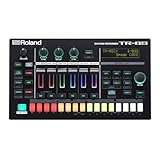
The Roland TR-6S is a compact yet powerful drum machine that brings the legendary sounds of Roland’s classic drum machines into a portable format. It features a wide array of onboard sounds, including the iconic TR-808, TR-909, TR-606, and TR-707, allowing users to recreate the classic sounds that have shaped electronic music for decades. This makes the TR-6S a fantastic choice for beginners who want to explore the rich history of drum machines and incorporate these timeless sounds into their music.
In addition to its classic sound library, the TR-6S offers modern features that enhance its versatility. It includes a six-track sequencer, enabling users to create intricate drum patterns and sequences with ease. The sequencer is intuitive and user-friendly, making it accessible for beginners while still offering depth for more experienced producers. The TR-6S also supports sample import, allowing users to expand their sonic palette and customize their drum sounds to suit their unique style.
One of the standout features of the TR-6S is its compact design, which makes it perfect for musicians on the go. Despite its small size, it delivers powerful sound and performance capabilities, making it suitable for both studio production and live performances. The TR-6S is equipped with USB and MIDI connectivity, ensuring seamless integration with digital audio workstations and other electronic instruments. This connectivity allows users to sync the TR-6S with their existing setup, expanding their creative possibilities.
The TR-6S also includes a range of effects and modulation options, providing users with the tools to shape and manipulate their sounds in real-time. This feature is particularly beneficial for live performers who want to add dynamic elements to their sets. With its combination of classic sounds, modern features, and portability, the Roland TR-6S is an excellent choice for beginners looking to dive into drum machines and electronic music production.
Teenage Engineering EP–133 K.O. II

- the next evolution of the world's most sold sampler – based on the...
- sampling made easy – record sounds around you, sample your voice...
- make beats faster than ever – the sequencer engine of the K.O.II provides...
The Teenage Engineering EP–133 K.O. II is a compact and innovative drum machine that stands out for its unique design and functionality. Known for its distinctive approach to music production, Teenage Engineering has created a device that combines creativity with practicality, making it an excellent choice for beginners and seasoned musicians alike.
This drum machine offers a range of features that cater to both experimental and traditional music production styles. It includes a powerful sequencer that allows users to craft intricate drum patterns and rhythms with ease. The EP–133 K.O. II is equipped with a variety of drum sounds and effects, providing users with the tools to create diverse and dynamic music tracks.
One of the standout aspects of the EP–133 K.O. II is its portability. Designed to be lightweight and compact, it can easily fit into a backpack, making it perfect for musicians on the go. Despite its small size, it delivers robust sound quality and performance, ensuring that users can produce professional-grade music wherever they are.
The user interface of the EP–133 K.O. II is intuitive and user-friendly, featuring a minimalistic design that emphasizes ease of use. This makes it accessible for beginners who are just starting to explore drum machines. Additionally, the device supports connectivity with other electronic instruments and digital audio workstations, allowing for seamless integration into larger music production setups.
Overall, the Teenage Engineering EP–133 K.O. II is a versatile and innovative drum machine that encourages creativity and experimentation. Its unique design, combined with its powerful features, makes it a valuable addition to any musician’s toolkit, whether they are just beginning their music journey or looking to expand their existing setup.
Yamaha Finger Drum Pad FGDP-50

- Ergonomic Pad Layout for Expressive Finger Drumming-The FGDP-50 features...
- Extensive Sound Library with Custom Kit Creation-Dive into...
- Performance-Ready Features with Seamless Navigation-A bright LCD screen...
The Yamaha FGDP-50 revolutionizes finger drumming with its thoughtfully designed layout that feels natural under your fingertips. Unlike traditional 4×4 grid controllers, this innovative pad features 18 ergonomically arranged performance pads that accommodate your thumb, index, and middle fingers perfectly, enabling fluid rhythmic expression whether you’re a beginner or seasoned beat-maker.
What sets the FGDP-50 apart is its complete all-in-one approach. With a built-in speaker, rechargeable battery, and 1,500 onboard sounds, you can create beats anywhere inspiration strikes. The pads detect both velocity and aftertouch, capturing every subtle nuance of your performance – from ghost notes and accents to cymbal chokes and rapid-fire rolls.
Sound options abound with 48 preset drum kits spanning acoustic and electronic styles, plus 50 user slots for creating custom setups. The eight RGB-backlit pads at the top provide additional sound triggering options, while the vibrant LCD screen makes navigation intuitive.
Beat production capabilities extend beyond standalone use. Connect via USB to trigger external sound sources or record MIDI and audio directly to your DAW. The “Rec’n’Share” feature allows quick recording with backing tracks straight to mobile devices unlike a few drum machines.
Roland AIRA Compact T-8

- Legendary Creative Magic in Your Hand: AIRA Compact puts Roland's legendary...
- Miniature Rhythm Factory: Create infectious tracks in seconds flat with the...
- Intuitive 16-Step Sequencer: Craft on-the-fly acid jams or trap bangers...
The Roland AIRA Compact T-8 delivers a pocket-sized rhythm powerhouse that combines legendary drum sounds with classic acid basslines. This ultra-portable beat machine packs the iconic sounds of Roland’s influential TR-808, TR-909, and TR-606 drum machines alongside the unmistakable squelchy TB-303 bass synthesizer – all crammed into a device smaller than a paperback book.
Weighing just 310 grams with dimensions of 188 × 106 × 36.2 mm, this rhythm factory fits easily into any production setup or backpack. The built-in lithium-ion battery provides up to 4.5 hours of untethered music creation, making it perfect for spontaneous beat-making sessions wherever inspiration strikes.
The Roland drum machine has intuitive sequencing system embraces the classic TR-REC workflow, allowing producers to quickly build patterns up to 32 steps long across six drum tracks and one bass track. The hands-on interface puts essential sound-shaping controls at your fingertips with dedicated knobs for tweaking drum parameters and manipulating that acid bass with adjustments for pitch, cutoff, resonance, and decay.
Connectivity abounds with USB-C for audio/MIDI and charging, plus 3.5mm jacks for MIDI, sync, audio input, and output. This versatility makes the T-8 an excellent centerpiece for electronic music setups, easily integrating with DAWs, other hardware, or companion AIRA Compact units.
The onboard effects section offers delay, reverb, overdrive, and sidechain compression to polish your beats without external processing. Advanced sequencing features like accent, probability, and sub-steps bring modern production techniques to this vintage-inspired machine.
Korg Volca Drum

- Compact and portable design with a built-in speaker for on-the-go music...
- Features a 16-step sequencer for intuitive and flexible music programming
- Equipped with a six-part DSP synth engine for a wide range of drum sounds
The Korg Volca Drum breaks new ground in Korg’s popular Volca series as a purely digital percussion synthesizer with remarkable sound-sculpting abilities. Unlike its analog siblings (Volca Beats and Volca Kick), this compact rhythm machine employs a sophisticated digital engine to create percussion sounds ranging from conventional drums to otherworldly sonic textures.
At its heart, six identical drum parts each contain two independent layers with customizable sound sources, modulators, and envelopes. This architecture lets you craft everything from punchy kicks with deep sub-bass to complex snares with metallic attacks and noisy tails in one of the most popular drum machine. The five sound source options – sine wave, sawtooth wave, and three filtered noise types – provide the foundation for an impressive sonic palette.
The Waveguide Resonator effect truly defines the Volca Drum’s character. This global send effect comes in Tube and String varieties, creating everything from odd reverb-like ambiances to pitched tones and spiraling modulated decays. Combined with built-in sound-shaping tools like bitcrushing, wavefolding, and drive effects, your percussion creations can easily venture beyond conventional drum territory.
Sequencing capabilities shine with the 16-step sequencer featuring intuitive parameter automation via Motion Sequencing. The clever Slice function adds rolls to chosen steps, while probability and sub-steps bring modern production techniques to your rhythmic patterns. Pattern chaining expands compositions beyond single-bar limitations.
Conclusion
Drum machines have revolutionized the way music is created and performed, offering musicians a unique blend of creativity and innovation. They have become a staple in studios and live performances, providing an array of sounds and rhythms that can be tailored to fit any genre. As technology advances, drum machines continue to evolve, incorporating features like advanced sequencing, real-time sound manipulation, and seamless integration with other digital tools.