What are 88 Key Keyboards?
88 key keyboards are musical instruments designed to replicate the full range of a traditional acoustic piano, featuring 88 keys that span seven octaves plus a minor third. This full key range is essential for classical piano repertoire, advanced compositions, and expressive playing, providing musicians with the ability to perform complex pieces without limitation. These keyboards come in various forms, including digital pianos, stage pianos, and MIDI controllers, each serving different purposes but maintaining the standard 88-key layout for authenticity.
Digital pianos with 88 keys often incorporate weighted or graded hammer action keys to simulate the tactile feel of an acoustic piano, allowing players to develop proper finger strength and technique. This is particularly important for beginners and classical pianists who aim to transition smoothly between digital and acoustic instruments. Additionally, 88 key keyboards are favored by music producers and composers for their comprehensive range, enabling them to access the full spectrum of notes required for diverse musical genres.
The presence of 88 keys also facilitates advanced playing techniques such as dynamic control, wide chord voicings, and extended melodic lines. For performers on stage, 88 key stage pianos offer robust sound engines and durable construction to withstand live settings while providing authentic piano playing experiences. Meanwhile, MIDI controllers with 88 weighted keys serve as versatile tools for music production, giving users expressive control over virtual instruments and software synthesizers.
Key Features of 88 Key Keyboards
Authentic Key Action
88 key keyboards are designed to provide a comprehensive playing experience that closely mirrors that of an acoustic piano. One of the primary features to look for is the key action. Weighted hammer action or graded hammer action keys are crucial for replicating the tactile feedback and resistance found in acoustic pianos. This feature helps players develop finger strength and proper technique, which is especially important for beginners and those transitioning from an acoustic piano.
Advanced Sound Engine
Another important feature is the sound engine. High-quality digital pianos utilize advanced sound engines that produce rich, expressive piano tones with realistic string resonance and damper resonance. These elements contribute to a more immersive and authentic sound quality, enhancing the overall playing experience. Many digital pianos use the same sound engine technology across different price points to ensure consistent sound quality.
Polyphony for Complex Playing
Polyphony is also a key consideration. It refers to the number of notes the keyboard can produce simultaneously. A higher polyphony count, such as 64 notes or more, allows for more complex pieces and layering without notes dropping out, which is vital for advanced playing and using sustain pedals effectively.
Connectivity and Integration
Connectivity options like MIDI and Bluetooth MIDI enable seamless integration with music production software and learning apps, expanding the keyboard’s versatility. Built-in speakers provide convenient sound output, but the ability to connect to external audio interfaces and pedal units offers enhanced control and sound customization. Many budget portable keyboards now include Bluetooth MIDI, making them ideal for modern practice and production setups.
Usability Enhancements
Additional features such as a sustain pedal or pedal unit, headphone jack for silent practice, and an LCD screen for easy navigation improve usability. A music rest is a practical addition for holding sheet music or digital devices during practice or lessons. These features are commonly found in best 88 key keyboards available at various price points, including those sold at retailers like Guitar Center.
Benefits of 88 Key Keyboards
Full Range for Diverse Musical Styles
Owning an 88 key keyboard brings numerous advantages for both beginners and experienced piano players. First and foremost, the full range of 88 keys allows musicians to perform a wide variety of musical styles and compositions, from classical practice pieces to contemporary genres. This extended range ensures that players can access every note found on a traditional acoustic piano, enabling them to explore complex arrangements and express a broader musical palette.
Development of Proper Technique
Another significant benefit is the development of proper technique. Many 88 key keyboards feature weighted hammer action or graded hammer action keys, which closely mimic the tactile resistance and feel of an acoustic piano. This helps players build finger strength, dexterity, and control, which are essential for expressive piano playing and smooth transitions between digital and acoustic instruments.
Advantages for Music Production
For those interested in music production, 88 key MIDI keyboards provide comprehensive control over virtual instruments and software synthesizers. The full keyboard range enables producers and composers to input detailed performances, layer sounds, and create rich, dynamic compositions without limitation. Additionally, many 88 key keyboards offer advanced connectivity options such as Bluetooth MIDI and USB ports, facilitating seamless integration with computers, tablets, and music apps.
Convenience and Versatility
Furthermore, 88 key keyboards with built-in speakers offer convenience for home practice, delivering quality sound without the need for external amplification. At the same time, stage pianos and premium digital pianos cater to live performers by combining authentic piano playing experience with robust construction and versatile sound engines. Many budget keyboard options also provide excellent sound quality and features that make them ideal for beginners and intermediate digital pianos, ensuring that players at all levels can enjoy playing and developing their skills.
Top 88 Key Keyboards
Nord Stage 4 88-Key Fully-Weighted Keyboard

- Digital stage piano with piano, organ, and synthesizer sound engines
- Fast, smooth feel from the 88-key fully weighted, triple-sensor keybed
- The Organ section features Nords award-winning simulations of B3 Tonewheel...
The Nord Stage 4 is a flagship instrument renowned for its exceptional build quality, versatile sound engine, and authentic piano playing experience. Featuring 88 fully weighted hammer action keys, it provides a tactile feel that closely mimics the response of a grand piano, making it a preferred choice among professional piano players and stage performers.
One of the standout features of the Nord Stage 4 is its sophisticated sound engine, which combines meticulously sampled acoustic piano sounds with advanced modeling technology. This allows for rich, expressive piano tones that include detailed string resonance and damper resonance, contributing to an immersive and dynamic playing experience. The keyboard also offers extensive layering and splitting capabilities, enabling musicians to create complex soundscapes by combining piano sounds with electric pianos, organs, and synthesizers.
The instrument boasts a comprehensive speaker system integration when paired with external amplification, delivering clear, powerful sound suitable for both studio and live performance settings. Its robust MIDI connectivity and USB ports facilitate seamless integration with music production software and external devices, making it an excellent tool for music production and live control.
In addition to its piano capabilities, the Nord Stage 4 includes features tailored to stage use, such as a durable chassis, customizable control panels, and an intuitive LCD screen for easy navigation of sounds and settings. The keyboard’s low key noise and responsive graded hammer action make it ideal for expressive piano playing and intricate dynamic control, allowing players to enjoy a real piano feel with the added flexibility of modern digital technology.
Roland FP-30X Digital Piano with Speakers

- PHA-4 Keyboard with Progressive Hammer Action Escapement
- 88-key Digital Piano with SuperNATURAL Modeling
- Audio/MIDI via Bluetooth USB - Black
The Roland FP-30X is a standout choice in the digital piano market, offering a premium digital piano experience with its 88 fully weighted hammer action keys and an advanced SuperNATURAL piano sound engine. This combination delivers an expressive piano sound that closely mimics the nuances of a real acoustic piano, making it a favorite among both beginners and experienced piano players.
One of the key features of the FP-30X is its PHA-4 Standard keyboard with escapement, which provides a natural and authentic piano playing experience. The graded hammer action ensures that the keys feel heavier in the lower register and lighter in the higher register, just like an acoustic grand piano. This attention to detail allows players to enjoy playing with greater dynamic control and expressiveness.
The FP-30X also incorporates Roland’s Virtual Resonance Modeling technology, which simulates the complex interactions of strings and dampers inside a grand piano. This results in a rich and immersive sound quality with realistic string resonance and damper resonance, enhancing the overall authenticity of the piano tones.
Equipped with 256-note polyphony, the FP-30X can handle complex pieces and layered sounds without note dropouts, ensuring a smooth and uninterrupted performance. Its onboard speakers deliver great sound with clarity and depth, making it ideal for home practice, lessons, and small performances without the need for external amplification.
Connectivity is another strong point of the FP-30X. It offers Bluetooth MIDI and USB connections, allowing seamless integration with music production software, learning apps, and external devices. This deep control over settings and sound customization empowers users to tailor their playing experience to their preferences.
Roland FP-30X strikes an excellent balance between authentic piano playing experience, modern features, and affordability, positioning it as one of the best digital pianos in its price bracket. Whether you’re a beginner looking for a reliable practice instrument or an intermediate player seeking a stage piano with great sound and feel, the FP-30X offers a compelling package that many digital pianos in this category aspire to match.
Yamaha P71 88-Key Weighted Action Digital Piano

- Acoustic Piano Feel - Touch-sensitive keys allow for true expression and...
- Elevated Sound - Choose from 10 unique Voices, including the richness and...
- Effortless Control - Simple one-button operation and streamlined...

The Yamaha P71 is a well-regarded entry-level digital piano that offers 88 fully weighted keys with graded hammer action, designed to emulate the feel of a real acoustic piano. This feature is essential for developing proper finger strength and technique, making it an excellent choice for beginners and intermediate players alike.
Equipped with Yamaha’s renowned CFIIIS piano sampling technology, the P71 delivers authentic piano tones that are rich, expressive, and dynamic. This sound engine captures the nuances of a grand piano, including subtle string resonance and damper resonance, enhancing the overall realism of the playing experience.
With 64-note polyphony, the P71 supports complex passages and sustained notes without compromising sound quality, although some advanced players might prefer higher polyphony for intricate layering and extended sustain. The instrument includes built-in stereo speakers that provide clear, balanced sound suitable for practice sessions and small performances.
Connectivity options include standard pedal inputs for sustain and other pedals, as well as a headphone jack for silent practice. While it lacks advanced features such as Bluetooth MIDI or an onboard recording function, the Yamaha P71 focuses on delivering a straightforward and authentic piano playing experience.
Its compact and lightweight design makes it a convenient option for home use and easy transportation. The P71 is often praised for its durability and reliability, standing as a flagship instrument for Yamaha’s beginner digital piano lineup.
Alesis Recital Pro 88 Key Digital Piano Keyboard with Hammer Action Weighted Keys
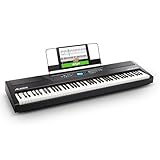
- A Digital Piano That’s Tailored to You - Feature-packed Electric keyboard...
- Premium Sounds - 12 voices (Incl. Acoustic Piano, Electric Piano, Organ...
- All The Right Connections - 1/4" sustain pedal input (pedal not included...
The Alesis Recital Pro is a popular choice among beginner and intermediate digital piano players who seek a quality instrument without breaking the bank. Featuring 88 fully weighted hammer action keys, it closely replicates the feel of a real acoustic piano, making it an excellent practice instrument for those developing proper technique.
This model offers 12 built-in sounds, including several piano tones, electric pianos, organs, and synths, giving players versatility to explore different musical styles. The 128-note polyphony ensures that complex pieces and sustained notes sound rich and full without note dropouts, even when using the sustain pedal extensively.
One of the standout features of the Recital Pro is its lesson mode, which allows players to split the keyboard into two equal halves with the same pitch range. This is particularly useful for piano lessons, enabling teachers and students to play together side by side.
Connectivity options include USB-MIDI for integration with computers and music production software, as well as standard pedal inputs for sustain and other pedals, enhancing expressive control. The built-in speakers provide clear and powerful sound suitable for home practice, while headphone jacks allow for silent playing.
While the Alesis Recital Pro offers great value, sound-wise it may not match the depth of premium digital pianos, but it stands out as a reliable and enjoyable keyboard in its price range. Its straightforward interface and robust construction make it a practical choice for those starting their piano journey or seeking a budget-friendly secondary instrument.
Conclusion
With their full range of keys, authentic weighted action, and rich sound quality, 88 key keyboards offer a versatile and immersive playing experience that caters to beginners, seasoned players, and music producers alike. Whether you’re practicing at home, performing on stage, or crafting your next composition, these instruments blend tradition with modern features to inspire creativity and elevate your musical journey.
FAQ
How important is weighted key action in an 88 key keyboard?
Weighted key action is crucial for anyone serious about piano playing. It simulates the resistance and tactile feedback of acoustic piano keys, enabling players to develop finger dexterity and strength. Fully weighted or graded hammer action keys provide a more authentic playing experience, making it easier to transition between digital and acoustic pianos. Without weighted keys, players may develop poor technique, which can hinder progress, especially for beginners and classical pianists.
What is the difference between a digital piano and a stage piano?
A digital piano is primarily designed for home practice and studio use, focusing on realistic piano sounds and key action. Stage pianos, on the other hand, are built for live performance, offering robust construction, advanced sound engines, and enhanced connectivity options. Stage pianos often include features like multiple outputs, MIDI connectivity, and a wider palette of sounds to suit various performance settings.
Are beginner digital pianos with 88 keys suitable for serious learning?
Absolutely. Beginner digital pianos with 88 fully weighted keys provide the necessary foundation for developing proper technique and musicality. These instruments often include lesson modes, built-in metronomes, and other practice aids that support learning. Investing in a quality beginner digital piano ensures a smoother transition to more advanced playing and reduces the risk of developing bad habits.
How does polyphony affect the performance of an 88 key keyboard?
Polyphony refers to the number of notes a keyboard can produce simultaneously. Higher polyphony counts allow for more complex layering of sounds, use of the sustain pedal, and playing along with backing tracks without notes dropping out. For most players, a minimum of 64 notes of polyphony is recommended, while advanced players might prefer 128 or more to ensure a rich, full sound during intricate performances.