What is Subwoofer Amplifier?
A subwoofer amplifier, often called a sub amp, is a specialized type of amplifier designed specifically to power subwoofers. Unlike full-range amplifiers that handle a wide frequency range, subwoofer amplifiers focus on delivering strong, clean power at low frequencies, typically below 200 Hz. This focused amplification helps subwoofers reproduce deep bass sounds with clarity and impact, enhancing the overall audio experience whether in a home theater, car audio system, or professional sound setup.
Subwoofer amplifiers come in various configurations, including mono (single channel) amps that drive one subwoofer and multi-channel amps capable of powering multiple subwoofers or combining subwoofer and main speaker amplification. Many subwoofer amps also feature built-in subsonic filters that protect the subwoofer drivers by filtering out frequencies too low for the subwoofer to reproduce effectively, reducing distortion and potential damage.
Additionally, these amplifiers often include features such as adjustable gain controls, low-pass crossovers, and sometimes digital signal processing (DSP) to allow precise tuning of the bass output to match the specific subwoofer and listening environment. The design of subwoofer amplifiers also takes into account cooling solutions, as delivering high power at low frequencies can generate significant heat; efficient heat sinks or quiet fans are commonly used to maintain stable operation.
Key Features in Subwoofer Amps
When selecting the best subwoofer amplifiers, understanding the key features that impact performance and usability is essential. These features not only influence sound quality but also affect how well the amplifier integrates with your existing audio setup.
- Power Output (Watts): The amplifier’s power rating, usually expressed in watts RMS, indicates how much continuous power it can deliver to the subwoofer. Matching the amplifier’s power output to the subwoofer’s power handling capacity ensures optimal performance without risking damage. It’s important to consider the max power as well, which reflects the amplifier’s peak capability during dynamic passages.
- Amplifier Class: As discussed, class D and class AB are the most common classes for subwoofer amplifiers. Class D amps provide high efficiency and less heat generation, while class AB amps offer excellent sound quality with slightly higher distortion and heat output. Choosing the right class depends on your priorities, such as efficiency, sound fidelity, and installation constraints.
- Subsonic Filter: This feature protects the subwoofer by filtering out extremely low frequencies that the subwoofer cannot reproduce effectively. Using a subsonic filter reduces distortion and prevents potential damage to the subwoofer drivers by blocking inaudible bass frequencies.
- Low-Pass Crossover: Allows the amplifier to send only low frequencies to the subwoofer by filtering out higher frequencies. Adjustable crossover points enable fine-tuning of the subwoofer’s integration with the main speakers, ensuring a seamless blend and balanced sound.
- Gain Control: This control adjusts the input sensitivity of the amplifier, allowing the user to match the output level of the source device or preamp. Proper gain setting helps avoid distortion and ensures the subwoofer’s volume blends well with the rest of the audio system.
- Digital Signal Processing (DSP): Some advanced subwoofer amplifiers include built-in DSP capabilities, offering features such as equalization (EQ), phase adjustment, delay, and room correction. These tools help tailor the bass response to the specific acoustics of the listening environment and the characteristics of the subwoofer enclosure.
- Cooling and Fan Noise: High-power subwoofer amplifiers generate heat, so effective cooling is critical for reliability and longevity. Some amps use fans, while others rely on large heat sinks or efficient class D designs to minimize heat. Fan noise can be a concern, especially in quiet listening environments, so choosing an amplifier with low fan noise or fanless design can enhance the listening experience.
- Connectivity Options: Inputs and outputs, such as RCA, XLR, or speaker-level inputs, determine how easily the amplifier can connect to your audio source and other components. Some amps also offer line-level outputs for daisy-chaining multiple amplifiers or integrating with complex systems.
- Build Quality and Reliability: Durable construction, quality components, and a reputable brand contribute to the amplifier’s longevity and consistent performance. Reading user reviews and forum discussions can provide insights into real-world reliability and customer support experiences. For instance, the ICEpower 1000ASP modules are valued for their quiet operation and heat management, making them a reliable choice for high-power applications.
- Size and Installation Flexibility: Depending on your setup, the amplifier’s physical size and mounting options (rack-mountable, plate amplifier, or standalone) affect where and how it can be installed. Compact designs are beneficial for tight spaces or inside subwoofer enclosures.
Best Subwoofer Amps
OSD Audio SMP300 Class D Digital Subwoofer Amplifier
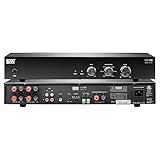
- BRING ON THE BASS: A highly efficiency Class D subwoofer amplifier that...
- WORKS WITH ALL RECEIVERS: Compatible with older and newer source equipment...
- ADJUSTABLE CONTROLS: Includes adjustable phase and low pass filter to dial...
The OSD Audio SMP300 is a versatile class D digital subwoofer amplifier known for its efficient power delivery and compact design. It offers 300 watts of clean power, making it suitable for a wide range of subwoofer sizes and applications. The class D technology ensures that the amplifier runs cool and consumes less energy compared to traditional class AB amplifiers, which is especially beneficial for prolonged use in home theater or audio setups.
This amplifier is equipped with adjustable gain controls and a low-pass crossover, allowing users to fine-tune the bass response to match their specific subwoofer and room acoustics. It also includes built-in protection features such as thermal shutdown, overload protection, and short circuit protection, enhancing its reliability and safety during operation.
The SMP300’s compact form factor allows for easy installation in tight spaces, such as inside subwoofer enclosures or audio racks. Its quiet operation, thanks to the efficient class D design, means that fan noise is minimal or nonexistent, preserving the listening experience without unwanted distractions.
Overall, the OSD Audio SMP300 Class D Digital Subwoofer Amplifier offers a great balance of power, efficiency, and user-friendly features, making it a popular choice among audio enthusiasts looking to enhance their low-frequency sound reproduction without compromising on space or energy consumption.
WAudio 350W Class-D Subwoofer Plate Amplifier

- 350W RMS FOR 4-OHM SUBWOOFERS: Built for DIY powered-subwoofer projects and...
- BASS CONTROLS FOR ROOM MATCHING: Adjust crossover from 50 to 180 Hz, phase...
- RCA AND BALANCED CONNECTIONS: Connect line-level sources through...
The WAudio 350W Class-D Subwoofer Plate Amplifier is a compact and efficient solution designed to power subwoofers with clarity and punch. This amplifier uses class D technology, which ensures high efficiency and minimal heat generation, making it ideal for installations where space and cooling are concerns. With a power output of 350 watts, it is well-suited for small to medium-sized subwoofers, providing enough power to deliver deep bass without distortion.
The plate amplifier design allows for easy integration directly onto the subwoofer enclosure, saving space and simplifying installation. It typically includes features such as adjustable gain controls, crossover settings, and protection circuits to safeguard both the amplifier and the subwoofer from damage. This makes the WAudio 350W Class-D Subwoofer Plate Amplifier a popular choice for DIY projects and custom subwoofer builds where a clean, powerful bass response is desired without the bulk of a separate amplifier unit.
In addition to its compact form factor, the amplifier often includes built-in thermal and overload protection, ensuring reliable operation even during extended use. Its class D design also contributes to quieter operation, as less heat means reduced need for active cooling like fans, which can introduce unwanted noise. Users appreciate the balance of power, efficiency, and ease of installation that this amplifier provides, making it a solid option for enhancing the low-frequency performance of a variety of audio systems.
Fosi Audio ZA3

- Dual-Mode Innovation: This new generation mini amplifier offers both stereo...
- Richer Connectivity: Debut amplifier with balanced input and trigger in...
- Audiophile-Grade Components: The ZA3 features the TPA3255 high-end Class-D...
The Fosi Audio ZA3 is a compact yet powerful subwoofer amplifier that has gained popularity for its blend of performance, affordability, and ease of use. This class D amplifier delivers clean, efficient power with minimal heat generation, making it an excellent choice for both beginners and experienced audiophiles looking for a reliable sub amp.
One of the standout features of the Fosi Audio ZA3 is its compact size, which allows it to fit conveniently in various setups, including small racks or even inside subwoofer enclosures. Despite its small footprint, it provides sufficient wattage to drive a wide range of subwoofers effectively, ensuring deep and impactful bass reproduction.
The amplifier includes adjustable gain controls and a low-pass crossover, enabling users to fine-tune the output to match their specific subwoofer and room characteristics. This flexibility helps achieve a balanced sound that integrates well with main speakers and overall system acoustics.
Additionally, the Fosi Audio ZA3 is designed with user-friendly connectivity options, including RCA inputs and speaker-level inputs, making it compatible with various audio sources. Its efficient class D design also means it operates quietly, with little to no fan noise, enhancing the listening experience in quieter environments.
Common Mistakes to Avoid When Choosing Subwoofer Amplifier
Choosing the right subwoofer amplifier is crucial for achieving the best audio performance and protecting your equipment. However, many users make common mistakes that can lead to suboptimal sound quality, damage to components, or unnecessary expenses. Here are some key pitfalls to avoid:
- Mismatching Power Ratings: One of the most frequent errors is selecting an amplifier with power output that does not match the subwoofer’s power handling capabilities. Using an amp that is too powerful can cause the subwoofer to distort or even get damaged, while an underpowered amp may lead to clipping, which also harms the subwoofer and degrades sound quality.
- Ignoring Impedance Compatibility: Subwoofers come with different impedance ratings (measured in ohms), and it’s essential to choose an amplifier that can handle the subwoofer’s load. Using an amp not stable at the subwoofer’s impedance can cause overheating, distortion, or amplifier failure.
- Overlooking Cooling and Fan Noise: High-powered amplifiers generate heat and often require fans for cooling. Failing to consider the noise level of these fans can result in distracting background noise, especially in quiet listening environments. Opting for an amplifier with efficient cooling or low fan noise can greatly enhance the listening experience.
- Neglecting Subsonic Filters and Crossovers: Not using built-in or external subsonic filters and low-pass crossovers can expose the subwoofer to frequencies it cannot reproduce effectively, leading to distortion and potential damage. Proper filtering ensures cleaner bass and longer driver life.
- Skipping DSP and Tuning Features: Many modern subwoofer amplifiers come with digital signal processing features such as EQ, phase adjustment, and delay. Ignoring these capabilities or choosing an amp without them can limit your ability to fine-tune the bass response to your room and setup.
- Poor Connectivity Choices: Selecting an amplifier without the appropriate input/output options for your system can complicate installation and integration. Make sure the amp supports the connectors and signal types used in your setup.
- Buying Based on Price Alone: While budget is important, opting for the cheapest amplifier without considering quality, reliability, and features often leads to disappointment. Investing in a well-built, reputable amplifier can save money and frustration in the long run.
- Not Considering Installation Space: Amplifier size and mounting options matter, especially if space is limited. Choosing an amp that fits your installation environment and allows for proper ventilation is critical for performance and longevity.
- Lack of Fan Noise Information: Fan noise specifications are often absent from many amplifier listings, making it difficult to assess prior to purchase. This can lead to unexpected distractions in quiet environments, so researching user reviews or opting for fanless designs can help mitigate this issue.
- Mismatching Power Ratings: One of the most frequent errors is selecting an amplifier with power output that does not match the subwoofer’s power handling capabilities. Using an amp that is too powerful can cause the subwoofer to distort or even get damaged, while an underpowered amp may lead to clipping, which also harms the subwoofer and degrades sound quality.
- Ignoring Impedance Compatibility: Subwoofers come with different impedance ratings (measured in ohms), and it’s essential to choose an amplifier that can handle the subwoofer’s load. Using an amp not stable at the subwoofer’s impedance can cause overheating, distortion, or amplifier failure.
- Overlooking Cooling and Fan Noise: High-powered amplifiers generate heat and often require fans for cooling. Failing to consider the noise level of these fans can result in distracting background noise, especially in quiet listening environments. Opting for an amplifier with efficient cooling or low fan noise can greatly enhance the listening experience.
- Neglecting Subsonic Filters and Crossovers: Not using built-in or external subsonic filters and low-pass crossovers can expose the subwoofer to frequencies it cannot reproduce effectively, leading to distortion and potential damage. Proper filtering ensures cleaner bass and longer driver life.
- Skipping DSP and Tuning Features: Many modern subwoofer amplifiers come with digital signal processing features such as EQ, phase adjustment, and delay. Ignoring these capabilities or choosing an amp without them can limit your ability to fine-tune the bass response to your room and setup.
- Poor Connectivity Choices: Selecting an amplifier without the appropriate input/output options for your system can complicate installation and integration. Make sure the amp supports the connectors and signal types used in your setup.
- Buying Based on Price Alone: While budget is important, opting for the cheapest amplifier without considering quality, reliability, and features often leads to disappointment. Investing in a well-built, reputable amplifier can save money and frustration in the long run.
- Not Considering Installation Space: Amplifier size and mounting options matter, especially if space is limited. Choosing an amp that fits your installation environment and allows for proper ventilation is critical for performance and longevity.
Conclusion
Powerful, clean bass transforms any audio experience, bringing music and movies to life with depth and impact. The right subwoofer amplifier enhances this effect by delivering precise control, efficient performance, and reliable operation, ensuring your low-frequency sounds hit just the way you want. Whether for a home theater or car audio setup, a well-matched amp and subwoofer combo creates immersive sound that resonates and energizes every room or ride.
FAQ
What is the difference between a class D and class AB subwoofer amplifier?
Class D amplifiers use digital switching technology, making them highly efficient and producing less heat, which often results in quieter operation and smaller sizes. They are ideal for subwoofers requiring high power and compact installations. Class AB amplifiers, while less efficient and generating more heat, are known for their excellent sound quality with lower distortion in mid and high frequencies. For subwoofer use, the difference in sound quality is typically minimal.
How do I match an amplifier to my subwoofer’s power requirements?
It’s important to select an amplifier that closely matches the subwoofer’s RMS power rating to avoid damage or distortion. An amplifier with too much power can damage the subwoofer, while an underpowered amp might cause distortion at high volumes. Always check the subwoofer’s specs and choose an amplifier with power output within the recommended range.
Why is fan noise important when choosing a subwoofer amplifier?
Subwoofer amplifiers can generate significant heat, often requiring fans for cooling. However, fan noise can be distracting, especially in quiet listening environments. It’s important to consider amplifier fan noise, as some models can be significantly louder than others at idle or under load. Choosing an amplifier with low fan noise or efficient cooling design ensures a better listening experience without unwanted background noise.
What is a subsonic filter and why do I need one?
A subsonic filter removes frequencies below the subwoofer’s effective reproduction range, protecting the driver from damage caused by extremely low frequencies. It also reduces distortion and improves overall sound clarity.
Can I use a multi-channel amplifier for multiple subwoofers?
Yes, multi-channel amplifiers can power multiple subwoofers, but it’s important to ensure the amplifier’s channels can handle the impedance and power requirements of each subwoofer. Some amps also include built-in DSP for individual channel tuning, which can optimize performance.