
When it comes to enjoying vinyl records, maintaining a clean stylus is essential for preserving sound quality and protecting your valuable collection. Using the best stylus cleaners ensures that your needle remains free of dust and residue, preventing damage to both the stylus tips and your records. A dirty stylus leads to adverse sonic effects such as scratchy treble and muddy mids, which can significantly degrade your listening experience. In this article, we will explore various stylus cleaning products and methods, helping you restore clarity to your audio system and extend the life of your cartridge.
What is a Stylus Cleaner?
A stylus cleaner is a tool or product designed to remove dust, dirt, oils, and other contaminants from the needle (stylus) of a turntable cartridge. The stylus is the tiny tip that contacts the grooves of a vinyl record, converting them into sound. Even small debris can affect performance, causing distortion, skipping, or damage to the stylus and records.
Stylus cleaners come as brushes, gels, liquids, or ultrasonic devices, all made to clean effectively without harming the stylus tip or cantilever—the arm holding the needle. Their purpose is to maintain sound quality and extend cartridge life by keeping the stylus free of obstructions. Onzow ZeroDust, for example, offers touch-free stylus cleaning with its soft, tacky polymer gel, making it a popular choice among audiophiles.
Why Clean Your Stylus?
A clean stylus is crucial for achieving the best sound from your turntable. Over time, dust, dirt, and debris accumulate on the needle and cantilever, which can cause distortion, skipping, and even damage to your vinyl records. Dirty stylus tips not only degrade audio quality but also increase wear on your records, leading to permanent damage. Regular cleaning helps maintain the integrity of your stylus and ensures that your phono stage and amp receive a clear signal.
Types of Stylus Cleaners
There are several types of stylus cleaning products available, each with its benefits and precautions.
Stylus Brush and Dry Brush
One of the most common and inexpensive tools is the stylus brush or dry brush. These brushes typically have soft bristles designed to gently remove dust from the needle without damaging the delicate cantilever. A dry brush is ideal for quick, regular cleaning before or after playing a record. Always brush from back to front to avoid bending or breaking the stylus tip.
Magic Eraser and Gel Pad
Magic erasers and gel pads are popular tools for deeper cleaning. The magic eraser uses a gentle abrasive action to remove stubborn dirt and residue from stylus tips. Gel pads, often made from a sticky, rubbery substance, use capillary action to lift dust and particles off the needle. Both methods are effective but should be used carefully to avoid leaving glue or sticky residue on the stylus.
Cleaning Fluid and Wet Cleaner
Wet cleaners involve applying a small amount of cleaning fluid or alcohol-based solution to the stylus brush or a specialized pad. These fluids dissolve grease and grime that dry brushes might miss. Liquid cleaners like Audio-Technica AT607a Stylus Cleaner and GrooveWasher SC1 can dissolve tough residue. Products like Clearaudio Elixir are designed specifically for stylus cleaning and are safe for use with lyra cartridges and other high-end systems. When using wet cleaners, it is important to apply the fluid sparingly and avoid excess liquid that could damage the cartridge or turntable components. The LAST stylus cleaner is a wet cleaning method that contains no alcohol, making it a safe and effective choice for delicate cartridges.
Carbon Brush and Soft Bristles
Carbon brushes feature soft bristles embedded with carbon fibers, which can effectively attract and hold dust particles. These brushes are gentle on the stylus and can be used regularly to maintain cleanliness without risking damage to the needle or records.
Ultrasonic Cleaners
For audiophiles seeking the ultimate clean, ultrasonic stylus cleaning devices use high-frequency vibrations to remove dirt and grime from the needle and cantilever. Though more expensive, ultrasonic cleaners can significantly restore clarity and improve sound quality, especially for older or heavily used cartridges.
Top Stylus Cleaners
ZeroDust – Stylus Cleaner

- NOTE: Color may vary
- No Need to Use a Hard Bristled Brush - Clean your stylus with ease!
- Simply lower your stylus onto the surface of this space-age polymer bubble...
The Onzow ZeroDust is one of the most popular and highly regarded stylus cleaners among audiophiles. It uses a soft, tacky gel pad that gently lifts dust and debris from the stylus tip without the need for liquids or brushing. Effective stylus cleaners include dry options such as microfiber cloths and carbon fiber brushes, and gel pads like the ONZOW ZeroDust. This dry cleaning method is particularly effective because it avoids the risk of damaging the delicate glue or cantilever that can occur with wet cleaners or aggressive brushing. The touch-free cleaning method is another reason why it is favored by audiophiles. Dynavox NRG30 has a similar structure and viscosity to the Onzow material, making it another viable option for stylus maintenance.
The gel pad is housed in a compact case that is easy to use and transport. To clean the stylus, you simply lower the needle onto the gel and then lift it off, allowing the gel to pull dust and dirt away from the stylus tip. The material is designed to be sticky enough to trap particles but soft enough to avoid harming the stylus or cantilever. After several uses, the gel pad can be washed gently with water to restore its tackiness, making it a very long time reusable cleaning tool. DS Audio ST-50 is known for its luxurious design and higher price relative to other stylus cleaners, making it a premium choice for audiophiles.
One advantage of the Onzow ZeroDust is that it is safe to use on all types of cartridges, including sensitive and high-end models like lyra cartridges. It does not contain any alcohol or solvents, so there is no risk of capillary action drawing fluid into the cartridge coils or damaging the glue that holds the stylus in place. This makes it a preferred choice for many vinyl enthusiasts who want a simple, effective, and safe way to maintain their stylus. However, users should still be cautious, as capillary action can spread cleaning fluid if it lands on the cantilever’s suspension, posing risks. Winyl One-Touch Polymer uses PU Tech Polyurethane polymer in its pad material, offering another innovative option for stylus cleaning.
While the ZeroDust is highly effective at removing loose dust and light debris, it may not be sufficient for removing sticky residue or hardened grime. In such cases, users often complement it with a gentle wet cleaner or a specialized cleaning fluid applied sparingly with a stylus brush. This combined approach helps ensure the stylus underside and cantilever remain free of contaminants that could affect sound quality or cause damage.
Audio-Technica AT617a Cartridge Stylus Cleaner

- Specially formulated polyurethane gel gently removes dirt particles from...
- Gel remains tacky for years
- Surface is washable for repeated use

The Audio-Technica AT617a is a specialized stylus cleaner designed to provide effective cleaning for cartridge needles without causing damage. This product combines a cleaning fluid with a fine brush applicator, allowing precise application of the solution directly onto the stylus tip. The fluid is formulated to dissolve grease, oils, and stubborn dirt that may accumulate during playback, especially on heavily used or older cartridges. Alcohol-based fluids like the Audio-Technica AT607a are also known to improve tracking performance.
One of the key advantages of the AT617a is its gentle yet thorough cleaning action. The cleaning fluid is safe for use on a wide range of cartridge types, including delicate and high-end models like lyra cartridges. It does not contain harsh solvents that could degrade the glue holding the stylus or harm the cantilever assembly. Users are advised to apply the fluid sparingly, using just a drop on the brush, to avoid excess liquid that might seep into the cartridge body through capillary action. The DS Audio ST-50’s cleaning pad can be recycled and reused for several years, adding to its value and sustainability.
The fine brush applicator allows for targeted cleaning, reaching the underside and sides of the stylus tip where dust and grime often accumulate. This precision helps maintain optimal contact between the needle and vinyl grooves, ensuring the best possible sound quality and minimizing the risk of damaging records.
Regular use of the Audio-Technica AT617a can help restore clarity and improve tracking performance, especially when combined with routine dry brushing or gel pad cleaning methods. It is recommended to use this wet cleaner occasionally, such as after several plays or when the stylus shows signs of sticky residue that dry methods cannot remove effectively.
Hudson Hi-Fi Turntable Stylus Cleaner
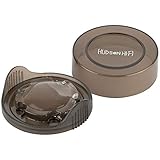
- EASY, EFFICIENT, EFFECTIVE: For our record needle cleaner just lower the...
- HEAR THE DIFFERENCE: The anti-zerodust stylus cleaning action will enhance...
- SAFE AND SPECIALLY FORMULATED: Our record player needle cleaner gel is...
The Hudson Hi-Fi Turntable Stylus Cleaner is a trusted tool among vinyl enthusiasts for its effective and gentle cleaning capabilities. Designed with precision, this cleaner uses a combination of soft bristles and a specially formulated cleaning fluid to remove dust, dirt, and residue from stylus tips without damaging the delicate needle or cantilever. Its ergonomic design allows for easy handling and precise application, making it suitable for both beginners and experienced users. Similarly, the DS Audio ST-50 is considered luxurious and handles well while cleaning, offering another high-quality option for stylus maintenance. The LAST stylus cleaner is highly recommended by audiophiles for its effectiveness in cleaning, further expanding the range of reliable tools available for stylus care.
One of the standout features of the Hudson Hi-Fi cleaner is its compatibility with various cartridge types, including sensitive and high-end models like lyra cartridges. The cleaning fluid is alcohol-free, reducing the risk of dissolving the glue that holds the stylus in place or causing capillary action that could damage internal cartridge components. This makes it a safe choice for regular maintenance.
Users appreciate the Hudson Hi-Fi cleaner for its ability to restore clarity and improve tracking performance, especially when used in conjunction with dry brushes or gel pads. The cleaning process involves applying a small amount of fluid to the brush, gently brushing the stylus from back to front, and allowing the fluid to dissolve and lift grime. This method ensures that even stubborn buildup is effectively removed, prolonging the life of the stylus and protecting your vinyl records from damage.
Regular use of the Hudson Hi-Fi Turntable Stylus Cleaner helps maintain optimal sound quality by ensuring the stylus tip remains free of contaminants that can cause distortion or skipping. Its balance of gentle cleaning power and safety makes it a valuable addition to any vinyl lover’s toolkit.
How to Clean Your Stylus Properly
Cleaning your stylus requires a careful approach to avoid damaging the needle or cartridge.
- Inspect the Stylus: Use a magnifier to examine the stylus tips and cantilever for dirt buildup or damage. This helps determine the cleaning method needed.
- Choose the Right Tool: Depending on the level of dirt, select a stylus brush, gel pad, or cleaning fluid. For light dust, a dry brush or carbon brush is sufficient. For stubborn residue, use a magic eraser or wet cleaner.
- Gentle Brushing: Always brush the stylus from back to front with soft bristles. Avoid side-to-side motion that can bend the cantilever.
- Use Cleaning Fluid Sparingly: If applying liquid, use distilled water or specialized stylus cleaning fluid. Avoid alcohol unless specified safe for your cartridge. Apply a drop to the brush or pad, never directly on the stylus.
- Avoid Sticky Residue: When using gel pads or magic erasers, ensure no glue or sticky material remains on the needle, which could attract more dust.
- Regular Maintenance: Clean your stylus regularly, especially before playing a clean record, to prevent dirt buildup and maintain sound quality.
Conclusion
Using the best stylus cleaners is vital for maintaining your turntable system and enjoying pristine sound from your vinyl collection. Whether you opt for a simple stylus brush, a magic eraser, or a sophisticated ultrasonic cleaner, proper technique and regular maintenance will extend the life of your needle and prevent damaging records. By investing time in stylus care, you ensure every play delivers the rich, clear audio that vinyl enthusiasts cherish.
FAQ
Can cleaning my stylus improve sound quality?
Absolutely. A clean stylus ensures that the needle tracks the grooves of your vinyl records accurately, restoring clarity, detail, and dynamic range in your audio system. Dirt and dust can cause distortion, skipping, and a loss of high-frequency detail, so regular cleaning helps you hear your records as intended.
How often should I clean my stylus?
The frequency of cleaning depends on how often you play your records and the environment in which your turntable operates. For regular listeners, cleaning the stylus before or after every record is ideal to prevent dust buildup. If you play less frequently or keep your turntable in a very clean environment, cleaning after every few plays may suffice. Always inspect your stylus with a magnifier to determine if cleaning is necessary.
Is it safe to use liquid cleaning fluids on all cartridges?
Not all cartridges react the same to liquids. While many cleaning fluids are designed to be safe, some sensitive cartridges—especially those with glued components—can be damaged by solvents or excess moisture due to capillary action drawing fluid into the cartridge body. It is best to use liquids sparingly and follow manufacturer recommendations, or opt for dry cleaning methods like gel pads or dry brushes for delicate cartridges.
Can using the wrong cleaning method damage my stylus or records?
Yes, improper cleaning techniques can cause damage. For example, brushing the stylus side to side or front to back can bend or break the delicate cantilever or stylus tip. Using excessive liquid or harsh solvents can dissolve glue or cause corrosion inside the cartridge. Sticky residues left by some gel pads or magic erasers can attract more dust and potentially damage records. Always use gentle, recommended methods and avoid applying excessive force or fluids.
What should I do if my stylus has sticky residue that dry cleaning can’t remove?
If dry cleaning methods like gel pads or dry brushes are insufficient, a carefully applied wet cleaner with a specialized cleaning fluid may be necessary. Use a small drop on a fine stylus brush and gently clean the stylus tip, avoiding the cantilever and cartridge body. Follow up with a dry brush to remove any remaining moisture or residue. Regular maintenance can help prevent sticky buildup. LAST uses biodegradable formulations that leave no residue on records, making it a trusted choice for audiophiles seeking an eco-friendly and effective cleaning solution.