
What is Kalimba?
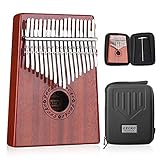
The kalimba, also known as the thumb piano, is a traditional African musical instrument that has captivated players worldwide with its soothing and melodic tones. It consists of a wooden body with metal tines of varying lengths attached to the top. Players use their thumbs and sometimes fingers to pluck these tines, producing a unique, resonant sound that is both calming and expressive. The kalimba’s origins trace back centuries in Africa, where it was used in various cultural and ceremonial contexts.
This instrument is celebrated for its simplicity and portability, making it accessible for beginners and seasoned musicians alike. Its design allows players to create beautiful melodies and chords without the complexity of more intricate instruments. The kalimba can be played solo or alongside other instruments, enhancing its versatility in different musical settings.
In recent years, the kalimba has gained popularity beyond Africa, embraced by musicians in genres ranging from folk and classical to jazz and pop. Learning to play the kalimba is made easier by the availability of kalimba tabs, which provide simple notations for melodies and songs. Whether you are looking for your first kalimba or expanding your collection, understanding the instrument’s structure and sound characteristics will help you choose the best kalimba suited to your playing style and musical interests.
Types of Kalimbas
Kalimbas come in many different types, each offering unique features that cater to various playing styles and preferences. The main distinctions lie in their shapes, sizes, materials, and the number of keys they possess.
Flat Board Kalimbas
One popular type is the flat board kalimba, which features a flat wooden surface with metal tines attached. This design typically produces a clear sound and is favored by beginners for its simplicity and ease of play. Flat board kalimbas are often lightweight and portable, making them suitable for players who want an instrument they can carry anywhere.
Hollow Body Kalimbas
In contrast, hollow body kalimbas have a resonant chamber with sound holes, which enriches the tone by adding warmth and depth. The sound holes also allow players to create a distinctive “wah-wah” effect by manipulating the air around the holes with their fingers, adding expressive possibilities. This type is considered a popular type among kalimba enthusiasts due to its rich sound quality.
Materials and Their Impact
Materials also matter significantly in determining the kalimba’s sound quality. Wooden kalimbas, made from woods like mahogany, walnut, acacia, or bamboo, are preferred for their warm, natural resonance. Each wood type imparts its own tonal characteristics, influencing the instrument’s overall sound. On the other hand, acrylic kalimbas, made from transparent plastic, produce a crystal clear tone but lack the deep resonance of wooden models. Acrylic kalimbas are visually striking and often chosen for their aesthetic appeal.
Number of Keys
The number of keys on a kalimba affects the range of notes and the complexity of music that can be played. Beginners often find 17-key kalimbas suitable because they offer a good balance between playability and musical range, allowing players to play songs in various keys and styles. With practice, beginners can typically play recognizable songs within hours or days, making the kalimba an accessible and rewarding instrument to learn. More advanced players might opt for kalimbas with more notes, such as 21 or even 34 keys, including chromatic kalimbas that provide access to all the semitones in an octave for greater musical versatility.
Key features of Kalimbas
Kalimbas are distinguished by several key features that affect their playability, sound quality, and overall appeal. Understanding these features will help you choose the best kalimba for your needs.
Tines (Keys)
The tines, or keys, are metal strips of varying lengths that are plucked to produce sound. The number of tines ranges typically from 8 to 34, with 17-key kalimbas being the most popular choice for beginners due to their balance of range and ease of play. The arrangement and quality of the tines directly influence the instrument’s tone and tuning stability.
Body Shape and Material
The body of a kalimba can be flat or hollow, and this shape has a significant impact on the instrument’s sound. Flat board kalimbas usually produce a clearer, softer tone, while hollow body kalimbas offer a warmer, richer resonance thanks to their sound chambers. The choice of wood—such as mahogany, walnut, acacia, or bamboo—also affects the tonal characteristics, with each wood type providing a unique timbre. Acrylic kalimbas, while visually striking, tend to produce a brighter but less resonant sound compared to wooden models.
Size and Portability
Kalimbas are generally compact and lightweight, making them highly portable. Their size varies depending on the number of keys and body design. A 17-key kalimba is typically comfortable to hold and easy to carry, making it an excellent choice for beginners who want an instrument they can take anywhere.
Tuning and Range
Most kalimbas come pre-tuned, commonly in the key of C major, which is widely supported by learning materials and kalimba tabs. This standard tuning makes it easier for beginners to learn and play recognizable melodies. Some models offer adjustable tines or come with a tuning hammer to facilitate retuning. The range of notes available depends on the number of keys; more keys offer a wider range and the ability to play more complex melodies.
Accessories
Many kalimbas come with essential accessories such as tuning hammers, flannelette bags for protection, and instructional booklets or songbooks. These extras can enhance the playing experience, especially for beginners who are just starting to learn.
By considering these key features, you can select a kalimba that matches your playing style, musical goals, and budget, ensuring a rewarding and enjoyable musical journey.
Best Kalimbas
LingTing Kalimba 42 keys

- This 42-key chromatic kalimba is truly one-of-a-kind, offering a unique and...
- Crafted from premium solid black walnut wood, this kalimba features a...
- With an expanded range of notes, this kalimba can play a wider variety of...
The LingTing Kalimba with 42 keys is an excellent choice for players who want to explore a wider musical range and experiment with more complex melodies. With its extended number of tines, this kalimba offers a broader range of notes, including additional lower and higher pitches that are not available on standard 17-key models. This makes it suitable for more advanced players or those looking to progress beyond beginner-level songs.
Crafted from high-quality wood, the LingTing 42-key kalimba maintains the warm, rich sound characteristic of wooden kalimbas while providing ample resonance and clarity. Its larger size still retains portability, allowing musicians to take it along for performances, practice sessions, or casual playing.
The instrument often comes equipped with essential accessories such as a tuning hammer, protective flannelette bag, and instructional materials to assist players in mastering the extended range. While it may require a bit more skill and practice to fully utilize the 42 keys, the LingTing kalimba offers a rewarding playing experience with its versatile sound and expressive potential.
This model is particularly appealing to those interested in exploring different musical genres or composing original pieces, as the wider range allows for greater creativity and musical expression. Whether you are transitioning from a beginner kalimba or seeking an instrument that offers more notes and tonal possibilities, the LingTing 42-key kalimba is a compelling option in the market for serious kalimba enthusiasts.
Moozica 17 Keys Kalimba Marimba

- 【Beautiful Sound, Relaxing Melody】Selected acacia koa wood and ore...
- 【High-gloss Piano Lacquer Finishing】High-gloss piano lacquer finishing...
- 【100% Solid Koa Wood Structure】Hollow out a whole block of koa wood to...
The Moozica 17 Keys Kalimba Marimba is a popular choice among beginners and intermediate players due to its excellent balance of quality, affordability, and playability. Crafted from premium Acacia Koa wood, this kalimba offers a warm and rich tone that resonates beautifully, making it ideal for a soothing sound experience. The wood’s natural grain also gives each instrument a unique and attractive appearance, adding to its aesthetic appeal.
This model features 17 well-tuned metal tines that provide a wider range of notes, allowing players to explore simple melodies as well as more complex pieces. The arrangement of the tines is designed for ease of play, making it suitable for beginners learning to play music while also offering enough versatility for more advanced techniques.
One of the standout features of the Moozica kalimba is its comprehensive accessory kit. It includes a tuning hammer for easy adjustments, a protective flannelette bag for safe storage and portability, finger protectors to enhance playing comfort, and an audio cable with adapters for connecting to amplifiers or recording devices. This makes it not only a great instrument for practice but also suitable for performances and recordings.
The inclusion of instructional materials such as songbooks and tutorials further supports beginners in mastering the kalimba. Whether you want to play simple melodies or experiment with different musical styles, the Moozica 17 Keys Kalimba Marimba provides a satisfying playing experience with its clear sound and responsive tines.
Yundie Acrylic Kalimba Thumb Piano
- High Quality Material-Kalimba thumb piano is handcrafted with high-quality...
- Embossed Notes & Hand-rest Curve Design: The keys are embossed with letters...
- Portable instrument-This thumb piano is a portable instrument that you can...
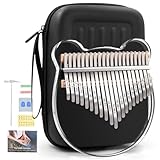
The Yundie Acrylic Kalimba Thumb Piano is a visually striking instrument that combines aesthetic appeal with a unique sound profile. Crafted from high-quality transparent acrylic, this kalimba offers a crystal clear tone that differs from the warm resonance typical of wooden kalimbas. Its sleek, modern design makes it not only a musical instrument but also a captivating piece of art.
This acrylic kalimba is lightweight and portable, making it easy to carry for practice sessions, performances, or casual playing anywhere you go. While acrylic kalimbas generally produce a brighter and less resonant sound compared to wooden models, many players appreciate the clarity and bell-like quality of the Yundie kalimba’s tone.
The Yundie Acrylic Kalimba is equipped with 17 well-tuned metal tines that provide a versatile range suitable for beginners and intermediate players alike. It comes with essential accessories such as a tuning hammer and a protective flannelette bag, ensuring that players can maintain their instrument and keep it safe during transport.
This model is ideal for those who want to explore the unique sound characteristics of an acrylic kalimba while enjoying a stylish and durable instrument. Whether you are a beginner looking for your first kalimba or an experienced player seeking a different tonal experience, the Yundie Acrylic Kalimba Thumb Piano offers a refreshing alternative to traditional wooden kalimbas.
Conclusion
Embracing the kalimba opens the door to a world of soothing sounds and creative expression, where simplicity meets musical magic. Whether you’re strumming gentle melodies or exploring intricate tunes, this charming instrument offers a joyful and rewarding journey for players of all levels, inviting you to connect with music in a uniquely personal way.
FAQ
What is the best kalimba for beginners?
The best kalimbas for beginners are typically 17-key wooden kalimbas tuned in C major. These models offer a good balance of playability, range, and sound quality, making it easier for beginners to learn simple melodies and progress to more complex songs.
Are wooden kalimbas better than acrylic ones?
Wooden kalimbas are generally preferred for their warm, natural resonance and richer instrument’s sound quality. Different woods like mahogany, walnut, and acacia impart unique tonal characteristics. Acrylic kalimbas, while visually appealing with their crystal clear tones, tend to lack the deeper resonance of wooden models. A well-built wooden kalimba generally offers better sound quality than an acrylic kalimba, making it a popular choice for those seeking a more traditional and resonant tone. For beginners aiming to develop their playing skills and enjoy a soothing sound, a wooden kalimba is often the better choice.
How many keys should a beginner kalimba have?
Most beginners find a 17-key kalimba ideal because it offers a wider range of notes without being overwhelming. It allows players to play a variety of simple melodies and chords, and there is a wealth of kalimba tabs and tutorials available for this key count. Smaller kalimbas, such as 8 or 10 keys, are simpler but more limited in musical range, while larger kalimbas with 21 or more keys are better suited for advanced players.
What accessories should come with a beginner kalimba?
A good beginner kalimba package often includes a tuning hammer for adjusting the tines, a flannelette bag or protective case for safe transport and storage, and instructional materials like songbooks or online tutorials. Popular brands for beginner kalimbas include Gecko, Hluru, Lingting, and Moozica, which are known for their quality and beginner-friendly designs. Some kits may also include thumb piano key stickers to help beginners learn the notes more easily.
Are cheap kalimbas worth buying?
While cheap kalimbas might be tempting due to their low price, they often use low-quality materials and lack proper tuning, resulting in poor sound quality and durability. Many experts recommend avoiding kalimbas that cost less than $25, as they are often made from substandard materials and may not provide a satisfying playing experience. Investing in a mid-range kalimba ensures better instrument’s sound quality, playability, and longevity, which is especially important for beginners who will be practicing frequently.