What is HD DVD?
The HD DVD format was developed as a high-definition successor to standard DVDs, offering improved picture quality and audio performance. Despite its eventual status as a dying format, superseded by Blu-ray discs, the HD DVD still holds a special place for collectors and fans who value its distinct attributes, with certain HD DVD’s advanced features and build quality—such as those found in high-end players like the Toshiba XA2—making them true collector’s items. The HD DVD format faced a decline in the mid-2000s due to competition with Blu-ray. HD DVD players provide excellent HD quality playback, supporting full HD resolution and enhanced audio formats like Dolby Digital and DTS HD, which contribute to an immersive movie experience.
Key Features of HD DVD Players
HD DVD players were designed to bring a superior home entertainment experience by supporting high-definition video and enhanced audio formats. Key features commonly found in the best HD DVD players include:
High-Definition Video Playback: HD DVD players support resolutions up to 1080p or 1080i, delivering sharper and more detailed images compared to standard DVDs. This makes them ideal for HD TVs, providing a viewing experience closer to what filmmakers intended.
Upscaling of Standard DVDs: Many HD DVD players incorporate advanced upscaling technology to enhance the picture quality of regular DVDs. This feature improves the clarity and sharpness of older titles, making them look more vibrant on modern HDTVs.
Wide Disc Compatibility: Beyond HD DVDs, these players often support a variety of disc formats including standard DVDs, DVD-R, DVD+R, CD, and sometimes even DVD audio and Blu-ray discs (in rare cases). This versatility allows users to enjoy their entire media collection without switching devices.
Advanced Audio Support: HD DVD players typically support multiple audio formats such as Dolby Digital, DTS HD, and in some models, Dolby Atmos, delivering rich and immersive sound quality that complements the high-definition video.
Connectivity Options: Most models feature multiple HDMI outputs for seamless connection to HD TVs and audio receivers, along with component, optical digital, and Ethernet ports. Some players also offer Wi-Fi connectivity for firmware updates and access to streaming apps, enhancing their functionality.
User-Friendly Interface and Remote Control: A responsive menu system and intuitive remote control simplify navigation, allowing users to easily access features like scene selection, subtitle options, and special features embedded in HD DVDs.
Firmware Updates: The ability to update firmware via Ethernet or USB ensures that the player remains compatible with new releases and can receive performance improvements over time.
Additional Features: Some HD DVD players include picture-in-picture (PIP) functionality, allowing viewers to watch bonus content simultaneously with the main feature, and support for features like resume play and bookmarking for convenience.
Top HD DVD Players
Toshiba HD-A3 720p/1080i HD DVD Player

- HD DVD Playback
- DVD Playback
- CD Playback
The Toshiba HD-A3 is a popular mid-range HD DVD player that supports both 720p and 1080i resolutions, delivering sharp and vibrant picture quality for HD DVD discs. It also excels at upscaling standard DVDs to 1080i, enhancing the viewing experience for users with extensive DVD collections. This player supports a wide range of disc formats, including DVD-R, DVD+R, CD, and DVD audio, making it a versatile choice for home entertainment enthusiasts.
One notable feature of the HD-A3 is its built-in Ethernet port, which allows for firmware updates and access to web-based content, ensuring the player stays up to date with the latest improvements and compatibility fixes. The player includes multiple connectivity options such as HDMI outputs, component video, and optical digital audio, providing flexibility for integration with various home theater setups.
Users praise the HD-A3 for its excellent picture performance, especially when connected via HDMI or component cables to HD TVs, delivering vivid colors and detailed images that bring movies to life. The audio quality is also commendable, supporting Dolby Digital and DTS HD formats for immersive sound. However, some users report that the boot-up times can be slow, taking up to 30 seconds or more to start, which is a common characteristic among HD DVD players.
The HD-A3 comes with a standard remote control and requires a power cord for operation, both of which are included in the package. Its user-friendly menu system and straightforward setup process make it accessible even for those less familiar with advanced home entertainment technology. Additionally, the player often comes bundled with free HD DVD titles as an added bonus, enhancing its value proposition.
Overall, the Toshiba HD-A3 represents a fantastic player option for those seeking to enjoy HD DVD playback along with enhanced DVD upscaling at relatively low prices. While it may not have all the advanced features of high-end models like the Toshiba XA2, it offers solid performance and versatility, making it a smart choice for many users.
Toshiba HD-A1 HD-DVD Player
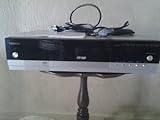
- Plays high-def HD DVD discs for sharper, more detailed picture performance...
- Backwards compatible with current DVD and CD formats; upconverts DVD movie...
- Ethernet port for upgrades; USB port on front; compatible with MP3, WMA...
The Toshiba HD-A1 was one of the earliest HD DVD players released and set a high standard for high-definition disc playback during the format’s brief but impactful lifespan. As Toshiba’s flagship model at the time, the HD-A1 offered support for full 1080p resolution, delivering crisp and vibrant picture quality that showcased the benefits of the HD DVD format. It featured multiple HDMI outputs, allowing users to connect to HD TVs and home theater systems for an immersive viewing and audio experience.
This player supported a wide array of disc formats, including HD DVDs, standard DVDs, DVD-R, DVD+R, and CDs, making it a versatile addition to any home entertainment setup. The HD-A1 was also equipped with progressive scan technology, which enhanced DVD playback quality by reducing flicker and improving image stability.
One of the key strengths of the Toshiba HD-A1 was its advanced audio support, including Dolby Digital and DTS HD formats, which contributed to rich, clear sound that complemented the high-definition visuals. The player also featured a user-friendly menu system and came with a remote control designed for easy navigation through discs and settings.
Despite its many strengths, the HD-A1 was known for somewhat longer boot and load times, a common trait among early HD DVD players. However, firmware updates released by Toshiba helped to improve performance and compatibility with new titles over time.
The HD-A1 remains a sought-after collector’s item for enthusiasts who appreciate the early days of HD DVD technology and value its combination of picture quality, audio performance, and build quality. It exemplifies the innovation and potential of the HD DVD format before it was ultimately overtaken by Blu-ray.
Comparing HD DVD Players vs Blu-ray Players
While Blu-ray players have become the industry standard, especially with support from major movie studios and widespread availability of new movies on Blu-ray discs, many Blu-ray players do not support HD DVD playback. A dedicated blu ray player offers advanced features such as support for multiple disc formats, including standard Blu-ray, 4K Ultra HD Blu-ray, and older media formats, along with compatibility with modern AV systems and upscaling capabilities. However, some high-end Blu-ray players offer backward compatibility with standard DVDs and CDs, but not necessarily with the HD DVD format. Modern gaming consoles like the Xbox Series X and Xbox can also serve as versatile media hubs, supporting 4K Blu-ray playback and streaming services.
Conclusion
High-definition DVD players continue to captivate enthusiasts by delivering exceptional picture and audio quality that elevates the home entertainment experience. Offering seamless playback of a variety of disc formats and enriching every scene with vivid detail and immersive sound, these players transform movie nights into unforgettable cinematic journeys. Embracing this technology means enjoying the perfect harmony of classic media and modern high-definition performance, ensuring your favorite films shine like never before.
FAQ
Can HD DVDs be played on regular DVD players?
No, regular DVD players cannot play HD DVDs. HD DVDs require specific hardware to decode and display high-definition content, which standard DVD players lack.
Are HD DVD players still being manufactured?
No, HD DVD players are no longer produced. The format lost the format war to Blu-ray in the mid-2000s, leading manufacturers to cease production and focus on Blu-ray and streaming technologies.
What is the difference between HD DVD and Blu-ray?
The primary differences lie in storage capacity and industry support. Blu-ray discs offer higher storage capacity, better video and audio quality, and broader support from movie studios and manufacturers, which contributed to Blu-ray becoming the dominant format.
Can HD DVD players play standard DVDs and CDs?
Yes, most HD DVD players are backward compatible and can play standard DVDs and CDs, often with enhanced upscaling to improve picture quality on HD TVs.
Do HD DVD players support advanced audio formats?
Yes, many HD DVD players support advanced audio formats such as Dolby Digital, DTS HD, and sometimes Dolby Atmos, providing immersive sound experiences.