What is a Flugelhorn?
The flugelhorn is a brass instrument that belongs to the trumpet family. It is known for its smooth, mellow tone which is darker and warmer compared to the brighter tone of a trumpet. Visually, it resembles a trumpet or cornet but has a wider, more conical bore and a larger bell that contributes to its distinctive sound. The instrument is pitched in B♭, like the trumpet, and is commonly used in jazz, brass band music, and orchestral settings.
Originating in the early 19th century, the flugelhorn was initially designed as a valved bugle used in military and hunting contexts. Its name derives from the German word “Flügel,” meaning “wing” or “flank,” referring to its use by the Flügelmeister, or flank commander, to signal troops. Over time, the flugelhorn evolved into a musical instrument appreciated for its rich tone and expressive capabilities.
The flugelhorn typically has three piston valves, although some models feature a fourth valve or a third valve slide trigger to improve intonation and access lower notes. The bore size of the flugelhorn can vary, with small bore models producing a darker tone favored by jazz musicians, while larger bore versions have a brighter tone closer to that of a trumpet.
Players transitioning from trumpet or cornet often find the flugelhorn accessible due to the similar fingering system, but the instrument requires a different embouchure and breath control to achieve its characteristic sound. Proper mouthpiece selection is crucial, as using a trumpet mouthpiece can affect tuning and tone quality negatively. Dedicated flugelhorn mouthpieces with a deeper, more conical cup are preferred to bring out the instrument’s full tonal potential.
Key Features of Flugelhorns
Conical Tubing and Tone
The flugelhorn is distinguished by several key features that contribute to its unique sound and playability. One of the most notable is its construction from conical tubing, which is wider and more gradually expanding than the cylindrical tubing found in trumpets. This design results in the flugelhorn’s characteristic darker and warmer tone, setting it apart from its brass family counterparts.
Bore Size Variations
Another important feature is the bore size, which varies between small bore and large bore models. Small bore flugelhorns typically produce a richer, more mellow sound favored in jazz and brass band music, while large bore flugelhorns offer a brighter tone closer to that of a trumpet. The choice of bore size significantly influences the instrument’s resistance, volume, and overall feel.
Valve Configuration and Intonation
The flugelhorn usually has three piston valves, but some models include a fourth valve or a third valve slide trigger. The third valve slide trigger is a valuable addition that allows players to make quick tuning adjustments, especially for notes that tend to be sharp or flat. This feature enhances intonation and playability during performances.
Material and Finish
Material and finish also play a role in the flugelhorn’s sound. Common materials include brass with finishes such as lacquer, silver plating, or rose brass bell. Rose brass bells are particularly prized for their warm, rich tone and aesthetic appeal. The finish not only affects the instrument’s appearance but can subtly influence the sound produced.
Mouthpiece Selection
Mouthpiece selection is critical for achieving the best tone and intonation. Dedicated flugelhorn mouthpieces, which have a deeper, more conical cup than trumpet mouthpieces, help bring out the instrument’s full tonal potential and improve tuning stability. Using a proper mouthpiece tailored for the flugelhorn is essential for both beginners and experienced players.
Top Flugelhorns for Beginners
Yamaha YFH-631G Professional Bb Flugelhorn
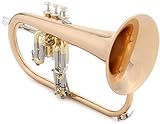
- Demo 631G Pro Flugel w/Gold Brass Bell
The Yamaha YFH-631G is widely regarded as an excellent instrument for beginners and professionals alike. Known for its quality step up in craftsmanship and sound, this model features a gold brass bell that contributes to its warm, rich tone. The instrument’s bore size is carefully designed to provide a balance between ease of play and a full, mellow sound, making it accessible for players transitioning from trumpet or cornet.
One of the standout features of the Yamaha YFH-631G is its third valve slide trigger, which allows for precise tuning adjustments during performance, enhancing intonation and playability. The valves are smooth and responsive, contributing to the instrument’s smooth action and overall excellent performance.
Yamaha flugels have a reputation for consistent manufacturing quality, thanks to their advanced manufacturing facility and recent investment in production technology. This has greatly improved the consistency and reliability of their instruments over the last few years. Correspondent Michael Camilleri has noted that the serial numbers on Yamaha flugels include an alphabetical pre fix, which indicates the production batch and can help players identify the manufacturing period.
For beginners looking for a fine horn that will support their growth as musicians, the Yamaha YFH-631G represents a quality step up from entry-level models, offering a professional-grade experience at a reasonable price point. Its silver plated finish option also provides a brighter tone alternative for players seeking a different sound character.
Yamaha YFH-631G is a popular choice among beginner flugelhorn players due to its excellent intonation, beautiful sound produced, and durable construction. It stands out as a reliable and enjoyable instrument to play, suitable for various musical styles including jazz, brass band music, and orchestral performances.
Jupiter 846 Series Bb Flugelhorn

The Jupiter 846 Series Bb Flugelhorn is a popular choice among beginner and intermediate players due to its affordability and reliable performance. Known for its solid construction and good intonation, this model offers a balanced tone that leans toward the traditional darker sound characteristic of flugelhorns. The instrument features a small bore design, which helps produce the warm, mellow tone favored in jazz and brass band music.
One of the advantages of the Jupiter 846 Series is its smooth valve action, which allows for comfortable and responsive playing, an important factor for beginners developing their technique. Additionally, the flugelhorn includes a third valve slide trigger, a useful feature that enables players to make quick tuning adjustments on certain notes that might otherwise be out of tune. This feature is especially beneficial for those new to the instrument, as it aids in achieving better intonation during performances.
The finish on the Jupiter 846 is typically lacquered, which contributes to a slightly darker tone compared to silver-plated models. This finish not only enhances the instrument’s sound but also gives it a classic, attractive appearance. The instrument’s design and build quality reflect the recent investment in Jupiter’s manufacturing facility, with improvements that have greatly enhanced the consistency and quality of their horns over the years.
Jupiter 846 Series Bb Flugelhorn stands out as a fine horn for beginners seeking a quality instrument without a high price tag. Jupiter horns are also a great option, with their affordable prices and good sound quality.
Aurosus FH-8390
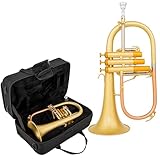
- Precise Intonation & Smooth Playability – The AUROSUS FH-8390 Flugelhorn...
- Rich, Warm Tone for Expressive Music – Designed for jazz and ballads...
- Durable Build with Premium Features – The AUROSUS flugelhorn boasts a...

The Aurosus FH-8390 is a noteworthy flugelhorn model that offers a blend of quality craftsmanship and affordability, making it a suitable option for beginners and intermediate players alike. This instrument features a well-designed small bore size that contributes to the flugelhorn’s characteristic darker tone, favored in jazz and brass band music. The Aurosus FH-8390 is equipped with three piston valves and includes a third valve slide trigger, which assists players in making quick tuning adjustments and improving intonation during performances.
Constructed with durable brass and finished with a lacquer coating, the Aurosus FH-8390 not only produces a rich, warm sound but also boasts an attractive appearance. Its rose brass bell option enhances the tonal warmth and adds a touch of elegance to the instrument’s look. The flugelhorn’s smooth valve action and ergonomic design make it comfortable to hold and play, which is especially beneficial for beginners developing their technique.
Players transitioning from trumpet or cornet will appreciate the familiar fingering system of the Aurosus FH-8390, while enjoying the unique tonal qualities that distinguish the flugelhorn. The instrument’s responsiveness and ease of play make it a fine horn for those starting their journey with the flugelhorn, as well as for musicians looking to add a quality flugelhorn to their collection without a significant financial investment.
Aurosus FH-8390 stands out as a reliable and well-rounded choice for beginner flugelhorn players, combining essential features like the third valve slide trigger and a small bore design with a pleasing sound and solid build quality.
Common Issues with Flugelhorns
Intonation Challenges
Despite their beautiful sound and unique tonal qualities, flugelhorns can present several challenges to musicians, especially beginners and those transitioning from trumpet or cornet. One of the most frequently reported issues is intonation problems. Due to the flugelhorn’s more conical tubing and larger bore compared to trumpets, certain notes—particularly in the low register—can tend to sound flat or out of tune. This can be frustrating for players trying to produce a consistent, accurate pitch.
Playing Technique Adjustments
Another common challenge involves the instrument’s tendency to require adjustments in playing style. Because of its larger size and different bore characteristics, the flugelhorn demands a different breath control and embouchure than the trumpet. Players often find that to achieve a good sound and proper intonation, they need to adapt their technique, which can take time and practice.
Importance of Proper Mouthpiece Selection
Mouthpiece selection plays a critical role in addressing these issues. Using a proper flugelhorn mouthpiece, which typically has a deeper, more conical cup than a trumpet mouthpiece, can significantly improve tuning and tone quality. Many intonation problems arise when players use trumpet mouthpieces on flugelhorns, as the mismatch affects airflow and pitch accuracy.
Instrument Design and Features
Additionally, some flugelhorns may have design characteristics that make them more prone to intonation challenges. For example, models with larger bore sizes or certain valve configurations might require more careful tuning and adjustment. The presence of a third valve slide trigger or valve trigger can help players make real-time tuning corrections, but these features need to be used effectively.
Maintenance and Care
Finally, maintaining proper instrument care and regular maintenance is essential. Sticky valves, worn slides, or leaks can all contribute to tuning difficulties. Players should ensure their flugelhorn is regularly serviced and cleaned to preserve its playability and sound quality.
Conclusion
With its rich, mellow tone and distinctive design, the flugelhorn offers a unique voice that can add depth and warmth to any musical ensemble. Whether you’re drawn to its smooth sound in jazz, brass bands, or orchestral settings, mastering this elegant instrument opens up new expressive possibilities and a rewarding playing experience for musicians at any level.
FAQ
How is a flugelhorn different from a trumpet?
Although the flugelhorn and trumpet share similar fingerings and belong to the same family of brass instruments, the flugelhorn has a larger mouthpiece, wider bell, and more conical tubing, resulting in a darker, more mellow sound. The flugelhorn’s bore size and shape also influence its tone and playability, making it distinct from the brighter, more piercing trumpet tone. Additionally, the flugelhorn is often classified as a subtype of the valved bugle, whereas the trumpet is considered a separate brass instrument.
Are there different bore sizes in flugelhorns, and why does that matter?
Yes, flugelhorns typically come in two bore sizes: small bore and large bore. Small bore flugelhorns tend to produce a darker, warmer tone favored by jazz musicians, while large bore models have a brighter sound closer to a trumpet’s. The bore size affects resistance, volume, and how the instrument responds to the player’s breath and embouchure. Trying out both types is recommended to determine which feels and sounds better for your playing style.
What should I consider when buying a flugelhorn as a beginner?
Beginners should consider factors such as brand reputation, bore size, valve configuration, finish, and included features like a third valve slide trigger. It’s important to select a flugelhorn that matches your skill level and budget. Trying different instruments and consulting experienced players or teachers can help you find a good trumpet-like instrument that suits your needs. Brands like Yamaha, Jupiter, Conn, and Bach offer beginner-friendly models with solid quality and intonation.
Why do some flugelhorns play flat, and how can this be fixed?
Flugelhorns can sometimes play flat due to factors such as improper mouthpiece choice, incorrect tuning slide adjustments, or player technique. Using a proper flugelhorn mouthpiece rather than a trumpet mouthpiece is crucial for maintaining accurate intonation. Additionally, regular maintenance, proper use of the third valve slide trigger, and developing appropriate breath control and embouchure can help keep the instrument in tune. Some models may also have design characteristics that require players to adjust their playing style to achieve the best tuning.
What genres of music commonly feature the flugelhorn?
The flugelhorn is most commonly used in jazz and brass band music, where its smooth, mellow tone complements the ensemble. It is also found in orchestral and commercial music settings, adding warmth and expressiveness to various musical styles. Famous jazz musicians like Chuck Mangione have popularized the flugelhorn’s unique sound, making it a versatile instrument across genres.