
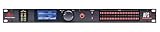
What is Feedback Suppressor?
A feedback suppressor is an audio device or software designed to detect and eliminate unwanted audio feedback in live sound or recording environments. Feedback occurs when a microphone picks up sound from speakers and re-amplifies it, creating a loop that results in a high-pitched squeal or howling noise. Feedback suppressors work by identifying the specific frequencies causing this loop and applying narrow filters to reduce or remove them, preventing the feedback from occurring.
These devices can be hardware units integrated into sound systems or software plugins used in digital audio workstations. Feedback suppressors vary in complexity, from simple notch filters to advanced automatic systems that continuously monitor and adjust frequencies in real time. They are invaluable tools for live performances, public speaking events, and recording sessions where maintaining clear and consistent audio quality is critical.
While feedback suppressors are effective, they are not a substitute for good mic technique and proper system setup. Instead, they complement these practices by providing an extra layer of protection against feedback, especially in challenging acoustic environments or when multiple microphones and speakers are in use.
What is Feedback Suppression?
Feedback suppression uses techniques and technologies to reduce or eliminate audio feedback, which occurs when microphones pick up sound from speakers and create a loud, high-pitched loop. This noise disrupts performances and recordings, so suppression is vital for clear sound. Methods include hardware feedback suppressors, software plugins, and manual equalizer adjustments combined with proper microphone placement. The goal is to identify and filter problematic frequencies without harming overall sound quality.
Modern devices use automatic algorithms to detect and notch out feedback frequencies dynamically, adapting to changes like performer movement or room acoustics. While effective, feedback suppression works best alongside good mic technique, correct microphone selection, positioning, gain staging, and venue acoustic treatment.
Key Features of Feedback Suppressors
Automatic Feedback Frequency Detection
Feedback suppressors come with a variety of features that make them effective and user-friendly tools for managing audio feedback issues. One of the primary features is the ability to automatically detect feedback frequencies in real time. This automatic detection means the device or software listens continuously to the audio signal, identifying the narrow frequency bands where feedback is starting to form. Once detected, the suppressor applies precise notch filters to reduce or eliminate those frequencies, preventing the feedback loop without significantly affecting the overall sound quality.
Precision Parametric EQ Filters
Another important feature is the use of parametric EQ filters. These filters allow for very specific adjustments to frequency, gain, and bandwidth, enabling the feedback suppressor to target problem frequencies accurately. This precision helps maintain the natural tone of voices and instruments, unlike broader filters that can degrade sound quality.
Automatic and Manual Modes
Many feedback suppressors also offer both automatic and manual modes. Automatic mode is convenient for live performances where quick and dynamic adjustments are needed, while manual mode gives sound engineers detailed control over filter placement and intensity during sound checks or recording sessions.
Preset Memory for Different Venues
Preset memory is a valuable feature, allowing users to save configurations tailored to different venues or setups. This is especially useful for touring musicians or audio professionals who work in multiple locations with varying acoustic challenges.
Additional Features and Connectivity
In addition, some advanced feedback suppressors include features like gain control, volume leveling, and visual feedback indicators. These tools help users monitor and adjust the system to optimize performance and prevent feedback before it occurs. Connectivity options such as USB or MIDI control can also be present, enabling integration with digital audio workstations or remote control via software, enhancing flexibility and ease of use.
Benefits of Feedback Suppressors
Automated Feedback Detection and Elimination
Feedback suppressors offer several key benefits that make them essential tools for managing sound quality in live and recording environments. First and foremost, they provide an automated means to detect and eliminate feedback frequencies, allowing performers and sound engineers to focus on delivering the best performance without constantly worrying about unwanted noise. This automation is particularly valuable in complex setups with multiple microphones and speakers, where manual feedback control can be time-consuming and challenging.
Increased Gain Before Feedback
Another benefit is the ability of feedback suppressors to increase the gain before feedback, meaning you can raise the microphone or instrument volume higher without triggering that unpleasant squealing sound. This is especially useful in live settings where clarity and volume are critical for audience engagement. By applying narrow notch filters precisely at the problematic frequencies, feedback suppressors minimize the impact on the overall sound quality, preserving the natural tone of voices and instruments.
System Stability and Adaptability
Feedback suppressors also contribute to system stability by continuously monitoring the audio signal and adapting to changes in the environment, such as moving performers or varying room acoustics. This dynamic adjustment helps maintain consistent sound quality throughout a performance or event. Additionally, many modern feedback suppressors allow users to save presets for different venues or configurations, streamlining setup for touring musicians or multi-location events.
Complementing Good Mic Technique and System Setup
While feedback suppressors are powerful, they work best when combined with good mic technique and proper sound system setup. They serve as a valuable safety net, catching feedback issues that might slip through manual control, especially in fast-paced or unpredictable situations. Overall, incorporating a feedback suppressor into your audio setup can lead to a more professional, polished sound experience for both performers and audiences.
Best Feedback Suppressor Units and Gear Review
Behringer Feedback Destroyer Pro FBQ2496

- Ultra-fast Response
- Parametric EQ
- "Set-and-forget" default setting plus Panic button enable immediate and...
The Behringer Feedback Destroyer Pro FBQ2496 is one of the most popular and widely used feedback suppressors in both live sound and recording environments. This rack-mounted unit offers advanced automatic feedback detection and elimination, making it a reliable choice for musicians, sound engineers, and venues of all sizes. The FBQ2496 features a 24-bit/96kHz resolution for high-quality audio processing, ensuring that your sound remains clear and natural even while suppressing feedback. Other popular automatic feedback suppressors include the dbxAFS2 and Behringer Shark FBQ100, which receive good reviews but may be difficult to set up.
One of the standout features of the Behringer Feedback Destroyer Pro is its ability to learn and store up to 12 different presets. This is especially useful for touring bands or sound engineers who need to switch between different venues quickly. The unit’s automatic notch filters can target specific problematic frequencies without affecting the overall tone, preserving the integrity of vocals and instruments.
Setup is straightforward, with an intuitive interface that allows users to engage automatic or manual modes depending on their preference and experience level. The FBQ2496 also includes a parametric equalizer, providing additional control over your sound system’s frequency response. While it is a powerful tool, users should be aware that like many feedback suppressors, achieving the best results may require some initial sound checks and fine-tuning.
KT900DSP Feedback Suppressor

- Digital Pre-stage Effector with Multiple Features: Audio processor with...
- Built-in Effect Chip with Wireless Connectivity: Features integrated effect...
- Multiple Input and Output Options: Supports 4-way input including audio...
The KT900DSP Feedback Suppressor is a versatile and powerful device designed to provide effective feedback elimination in a compact form factor. It is well-suited for a variety of live sound applications, from small gigs to larger venues, offering users precise control over feedback frequencies to ensure a clean and professional audio output.
One of the standout features of the KT900DSP is its digital signal processing (DSP) technology, which enables it to quickly detect and suppress feedback frequencies without significantly affecting the overall sound quality. This technology allows the unit to apply narrow notch filters that target only the problematic frequencies, preserving the natural tone of vocals and instruments.
The KT900DSP offers multiple filter bands, typically up to 12, which can be adjusted manually or set to automatic mode for ease of use. This flexibility makes it an excellent choice for both beginners who want a straightforward, “set it and forget it” solution and experienced sound engineers who prefer fine-tuning their feedback control.
In addition to feedback suppression, the KT900DSP often includes features such as a parametric equalizer and volume control, allowing users to tailor their sound system further. Its user-friendly interface, often equipped with an LCD display and intuitive controls, facilitates quick setup and adjustments during live performances or sound checks.
Glen Raston Professional Mini Feedback Suppressor

- Superior Anti - Howling Technology: Our audio equipment adopts digital...
- Excellent Compatibility: It can be connected to a wide range of audio...
- Optimized Vocal Quality: With the use of excitation, five - segment...
The Glen Raston Professional Mini Feedback Suppressor is a compact and effective device designed to tackle feedback issues in live sound environments. Despite its small size, this unit packs a powerful punch by utilizing advanced algorithms to detect and eliminate feedback frequencies quickly and efficiently. Its portability makes it ideal for musicians and sound engineers who need a reliable solution that can easily be integrated into various setups.
One of the key advantages of the Glen Raston Mini Feedback Suppressor is its user-friendly interface, which allows for quick adjustments and minimal setup time. This makes it a great choice for both beginners and experienced users who want to reduce feedback without spending excessive time on configuration. The unit works well with vocal mics, instruments, and even complex sound systems, providing clear audio without compromising tone.
Additionally, the Glen Raston Mini Feedback Suppressor features multiple filter bands that can be manually or automatically controlled, giving users flexibility in managing different feedback challenges. Its robust construction ensures durability for frequent gigging and stage use. Whether you’re performing in small venues or larger stages, this feedback suppressor offers a practical and effective way to maintain sound quality and prevent those disruptive feedback squeals.
Conclusion
Feedback suppressors are invaluable tools for anyone involved in live sound or recording. By understanding how feedback works and combining feedback suppression technology with good mic technique and proper sound system setup, you can enjoy clear, high-quality audio free from annoying feedback. Dynamic microphones, for instance, tend to have better feedback rejection properties compared to condenser microphones, making them a preferred choice in many live sound scenarios.
Tips and Suggestions for Feedback Control
Besides using a feedback suppressor and practicing good mic technique, here are other suggestions to help minimize feedback problems:
Consider the placement of your speakers and monitors on stage; positioning them in front of microphones rather than behind can reduce the risk of feedback loops.
Use a proper stand for your microphones or instruments to ensure stable and optimal placement, which helps with feedback management.
Apply acoustic treatment in your room or venue to improve sound quality and reduce reflections that contribute to feedback.
For electric instruments like guitar and bass, use pedals or amps with built-in feedback control to complement your system’s overall feedback suppression strategy.
Match your gear carefully to your style and setup, especially for guitars and microphones, to achieve the best sound and minimize feedback.
Stick to proven feedback suppression strategies or devices recommended by experienced musicians and sound engineers.
FAQ
Do I still need good mic technique if I have a feedback suppressor?
Yes, good mic technique is essential even when using a feedback suppressor. Proper microphone placement, maintaining appropriate distance from speakers, and using the right microphone type help prevent feedback from occurring in the first place. Holding the mic close to the mouth enhances sound clarity and further reduces the likelihood of feedback. For example, a cardioid microphone is ideal for reducing feedback when the singer is positioned directly in front of the speaker. Feedback suppressors are a helpful tool but not a complete replacement for good mic handling.
Can feedback suppressors be used in any venue?
Feedback suppressors can be used in a wide range of venues, from small rooms to large stages. However, their effectiveness depends on proper setup and adjustment based on the room’s acoustics, speaker placement, and sound system configuration. Microphone selection should also prioritize feedback rejection capabilities along with voice compatibility to achieve optimal results. Different microphone types have unique polar patterns that affect feedback prevention, so choosing the right type for the venue and setup is crucial. Some venues may require more fine-tuning or additional acoustic treatment for optimal results.
Are automatic feedback suppressors easy to set up?
While some automatic feedback suppressors offer plug-and-play convenience, many require initial setup and periodic adjustments to perform optimally. This setup often involves running sound checks, adjusting filters, and fine-tuning gain levels. Automatic feedback suppressors often require intensive setup and frequent check-ups over the first few months of use. Familiarity with sound equipment and room acoustics helps achieve the best outcomes. The DBX goRack’s AFS algorithm, for example, provides a ‘plug and play’ solution for automatic feedback suppression, making it a user-friendly option for those seeking simplicity.
Can I use a parametric EQ instead of a feedback suppressor?
A parametric EQ is a powerful tool for manually reducing feedback by targeting specific frequencies. However, it requires more hands-on control and experience to use effectively during live performances. Feedback suppressors automate this process, making them more convenient for real-time feedback control.
Why do some feedback suppressors sound artificial or heavy-handed?
Some feedback suppressors apply aggressive filtering or multiple notch cuts, which can alter the natural tone of vocals or instruments. Feedback suppressors like X feedback can work, but can also be really heavy handed and sound artificial. Choosing a high-quality unit and properly adjusting its settings can minimize these effects and preserve sound quality. However, many feedback suppressors are discontinued, and users often question the reasons behind this, such as changes in technology or market demand.