What is a Car Audio Noise Filter?
A car audio noise filter is an essential device designed to improve the quality of sound in your vehicle by eliminating unwanted electrical noise and interference. This noise typically manifests as a humming, buzzing, or whining sound that can detract from your listening experience. The most common culprit behind this noise is a ground loop problem, which occurs when multiple components in your audio system share different grounding points, creating a loop that picks up interference.
Noise filters work by isolating the audio signal from these ground loops and other sources of electrical interference. They often use transformers or capacitors to block the unwanted noise signals while allowing the clean audio signal to pass through unaffected. By doing so, they help maintain the integrity of the sound coming from your head unit, amplifier, and speakers.
Types of Car Noise Filters
Car audio noise filters come in several types, each designed to address specific noise issues in your vehicle’s audio system. Understanding these types will help you choose the best car audio noise filter for your needs.
- Ground Loop Isolators: These are the most common type of noise filters used to eliminate ground loop problems. They work by breaking the electrical connection between components’ grounds, preventing the loop that causes hum and alternator whine. Ground loop isolators typically use transformers to isolate the audio signal without affecting sound quality.
- Inline Noise Filters: These filters are installed directly in the audio signal path, often between the head unit and amplifier or speakers. They use capacitors and inductors to block high-frequency noise and interference from power lines or other electronic devices. Inline filters are effective for general noise reduction but may not solve ground loop issues.
- Power Line Noise Filters: These filters are connected to the vehicle’s power supply lines to clean up electrical noise coming from the alternator, battery, or other power sources. They help stabilize voltage and reduce interference that can affect the entire audio system. Power line filters are especially useful in vehicles with complex electrical systems or aftermarket accessories.
- Ferrite Bead Filters: Small and easy to install, ferrite beads clamp onto cables to suppress high-frequency noise and electromagnetic interference. They are often used in conjunction with other noise filters to provide additional noise reduction.
- Capacitor-Based Filters: These filters use capacitors to smooth out voltage fluctuations and filter out electrical noise. They are commonly integrated into power supply lines or audio circuits to improve overall system stability.
What is Ground Loop problem in Car Audio?
Ground loop problem in car audio occurs when multiple audio components in your vehicle are grounded at different points, creating a loop in the electrical circuit. This loop acts like an antenna, picking up interference and causing unwanted noise such as humming, buzzing, or alternator whine in your audio system. The problem arises because the grounds are not at the exact same electrical potential, allowing stray currents to flow through the audio ground path.
This issue is especially common in car audio systems because vehicles have complex electrical systems with multiple grounding points spread across the chassis. When components like the head unit, amplifier, and other electronics are grounded separately, the difference in ground voltage can create a loop that picks up electromagnetic interference from the alternator, engine, and other electrical devices.
Ground loop noise is typically heard as a low-frequency hum or a high-pitched whine that changes with engine speed, often referred to as alternator whine. This noise can significantly degrade the listening experience by masking the music and making it unpleasant to hear.
Identifying Noise Sources in your Car
When troubleshooting noise issues in your car audio system, the first thing to do is to identify the source of the noise. Noise can originate from several components and systems within your vehicle, so a systematic approach is necessary to pinpoint the cause. Here are common sources and steps to identify the noise:
Ground Loop Problem: Occurs when different audio components are grounded at separate points, creating a loop that picks up interference. This often results in a humming or whining noise that changes with engine speed, known as alternator whine.
Vehicle Electrical System: Alternators, batteries, and other power supply elements can introduce electrical noise if they are faulty or improperly grounded. For example, a failing alternator can cause fluctuations in electrical current, leading to audible noise in the audio system.
Aftermarket Accessories: Devices such as LED headlights, alarm systems, or remote starters can introduce static or buzzing noises. These may emit electromagnetic interference that affects audio signals, especially if not properly installed or shielded.
To effectively identify the noise source, you can perform the following tests:
- Swap RCA cables between components to see if the noise moves or changes.
- Disconnect components one at a time to isolate the affected circuit.
- Turn off or unplug aftermarket accessories to check if the noise disappears.
- Check grounding points to ensure all components share a common ground.
Top Car Audio Noise Filters
WisWinDa Pro RCA 4Channels HiFi Stereo Ground Loop Noise Isolator

- WisWinDa Pro RCA 4Channels HiFi Stereo Ground Loop Noise Isolator Gold...
- WisWinDa Mini 4 Channels RCA Ground Loop Noise Isolator/Noise Filter RCA...
- Hot-Swap Design--The Audio Isolation Transformer Alternator is easy to...

The WisWinDa Pro RCA 4Channels HiFi Stereo Ground Loop Noise Isolator is a versatile and effective device designed to tackle common noise issues in car audio systems. It is especially useful for setups with multiple audio channels, providing noise isolation across four RCA inputs and outputs simultaneously. This makes it an excellent choice for users with complex audio systems involving multiple amplifiers or multi-channel head units.
This noise isolator works by breaking the ground loop that often causes humming, buzzing, or alternator whine, ensuring the audio signal remains clean and free from interference. The device employs high-quality transformers to maintain audio fidelity while eliminating unwanted noise, preserving the clarity and richness of your music.
Install Bay IBNF50

- Product 1: Package Dimensions: 8.128 cms (L) x 7.62 cms (W) x 8.128 cms (H)
- Product 1: Product Type: Electronic Adapter
- Product 1: Package Quantity: 1
The Install Bay IBNF50 is a popular choice among car audio enthusiasts looking for an effective noise filter solution. This device is designed to eliminate unwanted electrical noise, such as alternator whine and ground loop hum, that can interfere with your vehicle’s audio system. The IBNF50 features a compact design, making it easy to install in tight spaces without compromising performance.
One of the key advantages is its versatility. It works well with a wide range of car audio setups, including systems with multiple amplifiers and complex wiring configurations. The filter uses high-quality transformers to isolate the audio signal from electrical interference, ensuring that the sound quality remains clear and distortion-free.
In addition to noise reduction, the Install Bay IBNF50 helps protect your audio components by stabilizing the electrical signals passing through the system. This added protection can extend the lifespan of your equipment and prevent damage caused by electrical surges or fluctuations.
PAC SNI-1 Noise Isolator
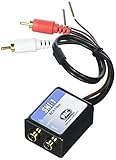
- Eliminates ground loop noise between the audio source and radio. For use...
- Close to perfect response of +/- .03 db from 2 to 20,000Hz
- Utilizes proprietary audio transformers for a 1.3 dB gain
The PAC SNI-1 Noise Isolator is a highly regarded device designed to eliminate unwanted noise in car audio systems, particularly ground loop hum and alternator whine. This compact isolator uses high-quality transformers to break the ground loop without compromising the audio signal quality, ensuring clear and distortion-free sound.
It is effective in a variety of scenarios, from simple single-amplifier systems to more complex multi-amplifier configurations. It works by isolating the audio signal from electrical interference caused by differences in ground potential between components, which is a common cause of noise in car audio systems.
Besign Ground Loop Noise Isolator for Car Audio
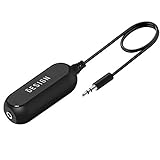
- Ground loop filter noise isolator, eliminating the hiss, buzz and...
- You can enjoy the clean and clear music/audio by eliminating the current...
- Works with any device that has a 3.5mm jack including smartphones, tablets...
The Besign Ground Loop Noise Isolator is a reliable and effective solution designed to eliminate unwanted noise in car audio systems caused by ground loop problems. This device is particularly popular among car audio enthusiasts who experience persistent hums, buzzes, or alternator whine that degrade their listening experience.
Additionally, the compact and durable construction of the Besign isolator makes it suitable for installation in tight spaces within the vehicle. It is built to withstand the vibrations and temperature variations commonly found in automotive environments, ensuring long-lasting performance.
Tips to Prevent Noise Issues in Car Audio Systems
While noise filters and ground loop isolators are powerful tools, preventing noise problems from happening in the first place is always the best approach. Here are some tips to minimize noise in your vehicle audio system:
Ensure all components share a common ground point to avoid ground loops.
Use high-quality shielded cables for audio connections.
Keep power and audio cables separated to reduce electromagnetic interference.
Verify that the battery and alternator are functioning correctly and providing stable power.
Regularly inspect and maintain your car’s electrical system.
By taking these precautions, you can reduce the likelihood of noise problems and enjoy a superior audio experience.
How to Install a Noise Filter
Once you have identified the ground loop problem or noise source, installing the best car audio noise filter is straightforward. Here’s the recommended order of steps:
- Disconnect the battery to ensure safety before working on your vehicle’s electronics.
- Locate the audio cables between the head unit and amplifier or the radio and speakers where the noise is detected.
- Connect the noise filter inline with the audio cables. Most ground loop isolators have RCA inputs and outputs, so they easily connect between the head unit and amplifier.
- Secure the filter in a location free from moisture and excessive heat.
- Reconnect the battery and test the system to confirm the noise has been eliminated.
By following these steps, you can unlock the full potential of your car audio system and enjoy noise-free sound.
Conclusion
If you’ve ever experienced frustrating noise in your car audio system, car audio noise filter is the magic solution to restore clear sound. Understanding the ground loop problem, verifying the noise source, and installing the right ground loop isolator can eliminate alternator whine and other unwanted noise effectively.
FAQ
What noise filter for eliminating alternator whine?
The best car audio noise filter for alternator whine is typically a high-quality ground loop isolator. These devices break the ground loop that causes the whine without affecting audio quality. However, the right filter depends on your specific system and noise source, so verifying the problem before purchase is essential.
Can installing a ground loop isolator affect sound quality?
Generally, a good-quality ground loop isolator does not compromise audio quality. They use transformers to isolate noise while preserving the integrity of the audio signal. However, low-quality or incorrect filters may introduce distortion or reduce signal strength.
How do I know if my noise is caused by a ground loop problem?
If the noise changes with engine speed, such as a whine that rises and falls with RPM, it often indicates a ground loop or alternator-related issue. Testing by disconnecting components one at a time and swapping RCA cables can help identify if a ground loop is the source.
Can LED headlights cause noise in my car audio system?
Yes, LED headlights and other aftermarket lighting can introduce static or buzzing noise into the audio system due to electrical interference. In some cases, replacing LED bulbs with OEM halogen bulbs or adding noise filters can reduce or eliminate this noise.
How do I install a car audio noise filter?
Installation involves disconnecting the battery, locating the audio cables between components, and connecting the noise filter inline with these cables. It’s important to secure the filter away from heat and moisture and to test the system after installation to confirm noise elimination.