What is a Bass Restoration Processor?
A bass restoration processor is a specialized audio device designed to enhance and recover bass frequencies that are often diminished or lost in music recordings or audio playback systems. Unlike simple bass boosters that merely amplify low frequencies, a bass restoration processor uses sophisticated digital signal processing techniques to analyze the incoming audio signal and intelligently reconstruct missing bass information. This results in a richer, more natural bass sound that adds depth and fullness to the music.
These processors are particularly valuable in car audio systems, where speaker limitations, acoustics, and factory audio tuning can lead to weak or muddy bass. By restoring the low-frequency content that was compressed or cut during recording or playback, the bass restoration processor helps deliver a heart-pounding bass experience that complements the entire sound spectrum.
Many bass restoration processors include features such as adjustable controls for fine tuning bass boost levels, subsonic filters to protect speakers from damaging ultra-low frequencies, and compatibility with various audio system configurations. This makes them versatile tools for audiophiles and casual listeners alike who seek to improve their audio experience without compromising clarity or introducing distortion.
Key features of Bass Restoration Processors
Bass restoration processors come equipped with a variety of features designed to enhance the bass performance of your car audio system effectively and efficiently. Understanding these key features can help you select the best bass restoration processor tailored to your needs:
Digital Signal Processing (DSP): At the core of these processors is advanced DSP technology that analyzes the incoming audio signal to identify missing or weak bass frequencies. This intelligent processing allows for precise restoration without simply boosting all low frequencies indiscriminately.
Bass Maximization and Enhancement: Many processors include patented bass maximizer circuits that recreate missing bass tones by generating harmonics and dropping them an octave, producing a fuller and richer bass sound that feels natural and powerful.
Parametric Bass Control: Adjustable controls, such as parametric equalizers or ParaBASS controls, enable users to select specific center frequencies and the range or width of the bass enhancement. This fine tuning allows for a customized bass response that suits different music genres and personal preferences.
Subsonic Filters: These filters remove ultra-low frequencies below the audible range that can cause distortion or damage to subwoofers. By protecting speakers from harmful frequencies, subsonic filters contribute to a cleaner and safer bass output.
Wide Frequency Response: High-quality processors offer a broad frequency range, often extending from as low as 10Hz up to 100kHz, ensuring that all relevant bass frequencies and their harmonics are accurately processed for optimal sound quality.
High Signal-to-Noise Ratio: A high signal-to-noise ratio (SNR), such as 110dB or more, ensures that the bass restoration processor adds minimal noise or distortion to the audio signal, preserving clarity and precision.
Versatile Connectivity: These processors typically support both high-level and low-level inputs, making them compatible with factory-installed head units as well as aftermarket audio systems. This versatility simplifies integration into various car audio setups.
User-Friendly Interface: Simple and intuitive controls, sometimes accompanied by remote adjustments, allow users to easily tailor the bass enhancement to their liking without complex programming.
Robust Construction: Designed for automotive environments, bass restoration processors feature durable housings that withstand vibrations, temperature variations, and other conditions typical in vehicles.
Benefits of Using the Best Bass Restoration Processor in Car Audio
Incorporating the best bass restoration processor into your car audio system offers several advantages that significantly improve your listening experience:
Enhanced Bass Performance: Restores low frequency information that is often lost, providing a rich bass response that fills the cabin with deep, resonant sound.
Improved Audio Clarity and Precision: By filtering out noise and unwanted frequencies, the processor ensures that bass is clean and well-defined, enhancing the overall sound quality.
Optimized Signal Path: Integrating the restoration processor into the audio system’s signal path maintains the integrity of the sound, preventing degradation of bass frequencies.
Customizable Bass Boost: Simple controls allow users to fine tune the bass enhancement according to their music preferences and car audio setup.
Compatibility with Subwoofers: Works seamlessly with subwoofers to deliver powerful bass that complements the rest of the audio system.
One popular example is the Audiocontrol Epicenter, a renowned bass restoration processor that has set the standard for delivering deep, impactful bass in car audio systems.
Top Bass Restoration Processors
AudioControl Epicenter Digital Bass Restoration Control Processor

- 𝗨𝗻𝗹𝗲𝗮𝘀𝗵 𝘁𝗵𝗲 𝗟𝗼𝘄 𝗘𝗻𝗱: The...
- ...
- ...
The AudioControl Epicenter is widely regarded as one of the best bass restoration processors available for car audio enthusiasts. It features patented Bass Maximizer technology that analyzes the incoming audio signal and recreates missing bass frequencies by generating harmonics and dropping them an octave. This process results in a rich, deep bass response that feels natural and powerful without the distortion commonly associated with simple bass boosters.
One of the standout features of the Epicenter is its parametric bass control, which allows users to select the center frequency and adjust the width of the bass enhancement. This fine tuning capability ensures that the bass restoration can be tailored precisely to match the acoustics of your vehicle and your personal listening preferences. Additionally, the Epicenter includes a subsonic filter to protect your subwoofers from damaging ultra-low frequencies, helping to maintain the longevity and performance of your audio system.
The device supports both high-level and low-level inputs, making it compatible with a wide range of factory and aftermarket head units. Its robust construction is designed to withstand the rigors of automotive environments, ensuring reliable performance over time. The simple controls and optional remote adjustment make it easy to optimize bass restoration on the fly.
Stetsom Tremor Bass Restoration Processor

- Bass Restoration Processor, Included Tremor Control + 16ft RJ11 cable...
- Advanced Tecnology: The Stetsom Tremor was developed with a technology that...
- More dynamics, immersive, deep and powerful Bass experience
The Stetsom Tremor Bass Restoration Processor is a high-performance device designed for audiophiles who demand precise bass enhancement in their car audio systems. Known for its powerful processing capabilities and rugged design, the Tremor stands out as a reliable choice for restoring and amplifying bass frequencies that might otherwise be lost or diminished.
This processor utilizes advanced digital signal processing algorithms to analyze the incoming audio signal, identify weak or missing bass components, and reconstruct them by generating complementary harmonics. This approach ensures that the bass restoration sounds natural and impactful without introducing distortion or muddiness. The Tremor’s ability to deliver clean, deep bass makes it ideal for a wide range of music genres, from hip-hop and electronic dance music to rock and metal.
One notable feature of the Stetsom Tremor is its parametric bass control, which allows users to adjust the center frequency and bandwidth of the bass enhancement. This fine tuning capability ensures that the bass response can be customized to match the unique acoustics of your vehicle and your personal listening preferences. Additionally, the Tremor includes a subsonic filter to protect subwoofers from damaging ultra-low frequencies, extending the life of your audio components.
The processor supports both high-level and low-level inputs, providing seamless compatibility with factory-installed and aftermarket head units. Its robust construction is designed to withstand the harsh conditions inside vehicles, including vibrations, temperature fluctuations, and humidity, ensuring long-lasting performance.
With user-friendly controls and clear indicators, the Stetsom Tremor makes it easy to optimize bass restoration on the fly, whether you’re tuning for a specific track or adjusting settings for different driving environments. Overall, the Stetsom Tremor Bass Restoration Processor offers a compelling combination of advanced features, durability, and ease of use, making it a top contender for anyone seeking to elevate their car audio system’s bass performance.
Hifonics Zeus Digital Bass Enhancement
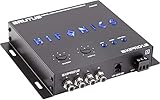
- 15v rms max input level
- 12.2v max output level
- frequency response: 10hz-35, 000hz
The Hifonics Zeus Digital Bass Enhancement processor is another excellent option for car audio enthusiasts seeking a powerful bass upgrade. Known for its robust build and advanced digital signal processing capabilities, the Zeus processor focuses on delivering deep, impactful bass that enhances the overall listening experience without sacrificing clarity.
This processor employs sophisticated algorithms to analyze the incoming audio signal and restore missing bass frequencies by synthesizing harmonics and reinforcing low-end sounds. The result is a bass response that feels fuller and more natural, adding depth and richness to your music.
One of the key features of the Hifonics Zeus is its user-friendly interface, which includes simple controls for adjusting bass boost levels and frequency ranges. This allows users to fine tune the bass response to suit different music genres and individual preferences. Additionally, the processor includes a subsonic filter to protect subwoofers from potentially damaging ultra-low frequencies, ensuring longevity and reliable performance of your car audio system.
The Zeus Digital Bass Enhancement supports both high-level and low-level inputs, making it compatible with a wide variety of factory and aftermarket head units. Its durable construction is designed to withstand the challenging conditions inside a vehicle, including vibrations and temperature fluctuations.
Installation Tips for Optimal Bass Restoration
To get the most out of your bass restoration processor, proper installation is key. Here are some tips to optimize your setup:
Placement in the Signal Path: Install the processor early in the audio signal chain to ensure it processes the incoming audio signal before amplification.
Use of Subsonic Filters: Engage subsonic filters to eliminate unwanted ultra-low frequencies that can cause distortion or damage to subwoofers.
Fine Tuning: Take advantage of the processor’s controls to adjust the bass boost and restoration settings to match your vehicle’s acoustics and your listening preferences.
Professional Installation: If unsure, consider professional installation to ensure connections are secure and the processor is calibrated correctly.
Proper installation and adjustment will maximize the benefits of digital bass restoration, delivering a powerful and clear bass experience in your car audio.
Conclusion
Experience the transformative power of a bass restoration processor to unlock the full potential of your car audio system. By intelligently enhancing and restoring lost bass frequencies, it breathes new life into your music, delivering deep, rich beats that resonate with clarity and precision. Whether you’re driving through city streets or cruising on the highway, this essential audio upgrade ensures every note is heard with heart-pounding impact, elevating your overall sound experience to thrilling new heights.
FAQ
What is the difference between a bass restoration processor and a bass booster?
A bass restoration processor uses advanced digital signal processing to analyze the incoming audio signal and intelligently recreate missing bass frequencies, resulting in a natural and rich bass sound. In contrast, a bass booster simply amplifies existing low frequencies, which can sometimes lead to distortion or an unnatural bass response.
Can a bass restoration processor damage my car audio system?
When used correctly, a bass restoration processor is designed to protect your speakers and subwoofers. Features like subsonic filters remove ultra-low frequencies that can cause damage. However, improper installation or excessive bass boost settings could potentially harm your audio components, so following installation guidelines and fine-tuning controls is essential.
Will a bass restoration processor work with factory-installed car audio systems?
Yes, many bass restoration processors are designed with versatile connectivity options to integrate seamlessly with both factory-installed and aftermarket audio systems. They often support high-level inputs, making them compatible with factory head units without needing additional adapters.
How does a bass restoration processor improve older music recordings?
Older recordings or those with limited bass emphasis during mixing can sound thin or lacking in depth. A bass restoration processor analyzes these recordings and reconstructs lost bass frequencies by generating harmonics and dropping them an octave, revitalizing the bass and enhancing the overall audio experience.
Can I adjust the bass enhancement to suit different music genres?
Most bass restoration processors feature simple and intuitive controls, such as parametric bass control or ParaBASS settings, allowing you to fine tune the bass boost level and frequency range. This customization lets you tailor the bass response to different music styles and personal preferences.