What is an Analog Compressor?
An analog compressor is a crucial piece of audio equipment in any professional recording studio, known for its ability to enhance sound quality through dynamic range control. As a type of audio compressors, analog compressors utilize analog circuitry to process audio signals, imparting a distinct warmth and character to the sound that many audio engineers and musicians find desirable. This dynamic control is vital for creating a polished and professional sound by balancing the volume levels of audio signals and preventing unwanted distortion. Additionally, analog hardware processes signals in real-time with no latency, which is advantageous for tracking and mixing.
Analog compressors are indispensable tools in the world of audio production. They work by reducing the dynamic range of an audio signal, which involves making the louder parts of the audio quieter and amplifying the quieter parts. This results in a more consistent and balanced sound, crucial for achieving high sound quality in studio recordings. The use of analog compressors is especially important in genres that require a vintage sound or when the goal is to capture the essence of classic recordings. Mix bus compressors, in particular, can color the sound while achieving dynamic control, adding a unique character to the final mix.
Key Features of Analog Compressors
Smooth and Musical Compression Curve
Analog compressors are prized for several distinctive features that contribute to their enduring popularity in professional audio production. One of the most notable characteristics is their ability to provide smooth sound with a natural and musical compression curve. Unlike some digital compressors that can sound harsh or clinical, analog compressors often deliver a warm, valve sound that enriches the audio signal, adding depth and character. This warmth is further enhanced by the harmonic distortion introduced by analog circuitry, which is often described as ‘musical’ and adds a pleasing depth to the audio.
Tactile Control Interface
Another key feature is the tactile control interface that analog compressors offer. Physical knobs and switches allow engineers to intuitively adjust compression settings such as threshold control, ratio settings, attack and release controls, and makeup gain. This hands-on approach facilitates creative experimentation and fine-tuning, enabling users to achieve the perfect balance between dynamic control and sonic coloration. A slower attack time, for instance, allows more initial transients to pass through, resulting in a more natural sound.
Precision in Handling Wide Dynamic Range
Analog compressors also excel in handling a wide dynamic range with precision. Their detector circuits respond dynamically to the average levels of the incoming audio signal, allowing for transparent compression that preserves the natural dynamics of the performance. Many analog compressors include sidechain filters, which enable frequency-specific compression, helping to avoid unwanted pumping or distortion caused by low-frequency content. Faster release times can create a pumping effect, while slower release times provide smoother compression, allowing for greater control over the audio’s dynamics.
Varied Technology and Unique Sonic Characteristics
The technology behind analog compressors varies, with popular types including VCA, opto compressor, FET, and Vari-Mu designs. Each type imparts unique sonic characteristics, from the smooth and natural compression of optical compressors to the aggressive punch and fast attack times of FET compressors. Vari-Mu compressors are renowned for their warm tube circuitry and smooth sound, making them a favorite for lead vocals and mastering engineers seeking that classic vintage sound.
Flexible Configurations for Diverse Applications
Additionally, analog compressors often feature dual mono or stereo configurations, allowing for flexible routing options in the studio. This versatility makes them suitable for a range of applications, from vocal compression and mix bus compression to mastering and other recording media tasks. Tube-based compressors, in particular, deliver a high-end, high-headroom sound and are versatile for tracking, mixing, and mastering applications, making them a valuable tool in any audio engineer’s arsenal.
Top Analog Compressors
Top Analog Compressors for Studio Use
Empirical Labs EL8 Distressor

- 1-channel Digitally-controlled Analog Compress/Limiter with 8 Curves...
Empirical Labs EL8 Distressor Compressor/Limiter is a highly versatile and iconic piece of analog gear that has become a staple in both professional studios and home recording setups. Renowned for its ability to handle a wide dynamic range, the Distressor is celebrated for its adaptability and the unique character it imparts to audio signals. This compressor/limiter offers a broad spectrum of compression settings, allowing engineers to fine-tune the dynamics of their recordings with precision.
One of the key features of the EL8 Distressor is its ability to emulate the characteristics of other compressors, making it a valuable tool for achieving a variety of sonic textures. From the smooth, transparent compression ideal for vocals and acoustic instruments to the aggressive, punchy sound perfect for drums and electric guitars, the Distressor excels in delivering high-quality sound tailored to the needs of any project. Its advanced detector circuit and sidechain filter options provide even more control, enabling users to focus on specific frequency ranges and achieve the desired compression effect.
Warm Audio Bus-Comp 2-channel Stereo VCA Bus Compressor (WABusCompd2)

- Stereo VCA Bus Compress with 5 Ratios
- Side Chain Input Filter
- Cinemag Transfmers
Warm Audio Bus-Comp 2-channel Stereo VCA Bus Compressor (WABusCompd2) is a remarkable piece of audio equipment, celebrated for its ability to deliver high-quality sound with precision and clarity. This analog compressor is designed to provide the classic VCA bus compression that many audio engineers and producers seek for their recordings. Its versatility makes it suitable for a wide range of applications, from mixing and mastering to individual track processing.
Equipped with a comprehensive set of controls, the WABusCompd2 allows users to fine-tune their compression settings, offering a high degree of control over the dynamic range of audio signals. The compressor features a sidechain filter, which enables users to focus the compression on specific frequency ranges, enhancing the clarity and punch of the mix. Additionally, the mix control allows for parallel compression, blending the dry signal with the compressed signal to achieve the desired balance and texture.
Klark Teknik 76-KT Classic FET-Style Compressor

- Classic FET-style compressor modeled after iconic 1176LN*, D and E...
- Completely discrete signal path
- Class-A line-level output amplifier
Klark Teknik 76-KT is a modern reimagining of the classic 1176 FET compressor, renowned for its fast attack and release times, which make it ideal for handling transient-heavy material. This analog compressor is celebrated for its ability to deliver the signature aggressive and punchy sound that has become a staple in countless recordings across various genres, including rock, pop, and hip-hop.
One of the standout features of the Klark Teknik 76-KT is its true-to-original analog circuitry, which faithfully reproduces the iconic sound of the vintage 1176 compressor. This ensures that users can achieve the same level of dynamic control and sound character that made the original compressor a favorite among audio engineers and producers. The 76-KT offers a wide range of ratio settings, allowing for both subtle and heavy compression, making it versatile enough to be used on everything from vocals to drums and guitars.
dbx 266xs Professional Audio Compressor

- Error proof operation to smooth uneven levels, add sustain to guitars...
- New gate timing algorithms ensure the smoothest release characteristics
- Program-adaptive expander/gates

dbx 266xs Professional Audio Compressor/Gate Dynamic is a versatile and reliable piece of audio equipment that has earned its place in many professional studios and live sound setups. Known for its ability to deliver consistent dynamic range control, the dbx 266xs is designed to enhance sound quality by providing smooth and transparent compression. This makes it an ideal choice for both studio recordings and live performances, where maintaining clarity and balance is crucial.
dbx 266xs is its integrated gate function, which allows for precise control over the audio signal by eliminating unwanted noise and ensuring a clean sound. This is particularly useful in live sound environments where background noise can be a challenge. The gate function works seamlessly with the compressor, providing a comprehensive dynamic control solution that enhances the overall sound quality.
Warm Audio WA-2A Optical Compressor
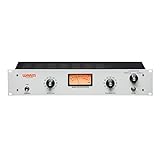
- 1-channel Tube Optical Compressor with All-discrete Signal Path
- Custom Optical Photocell
- Cinemag Transformers
Warm Audio WA-2A Optical Compressor is a faithful recreation of the classic LA-2A compressor, renowned for its smooth and transparent sound. This analog compressor is celebrated for its ability to enhance the dynamic range of audio signals with a natural and musical compression that is particularly well-suited for vocals and acoustic instruments. Its optical gain reduction method ensures a gentle compression curve, making it a favorite among audio engineers for achieving a polished and professional sound.
WA-2A is its tube circuitry, which imparts a warm and vintage character to the audio signal. This warmth adds depth and richness to recordings, making it an ideal choice for those seeking to capture the essence of classic analog sound. The compressor’s simple and intuitive controls, including peak reduction and gain, allow for easy adjustment of compression settings, enabling users to achieve the desired dynamic control with precision.
Conclusion
Analog compressors are indispensable in audio production, offering unmatched warmth and character that digital compressors often lack. Their ability to control dynamic range while enhancing sound quality makes them a favorite among mastering engineers and recording studios. With various types like VCA, optical, and tube compressors, each provides unique attributes tailored to specific audio needs. This diversity allows producers to achieve anything from vintage warmth to modern clarity. The tactile experience of using hardware compressors also encourages creativity and experimentation, fostering a deeper connection with the music. However, it is important to note that too much compression can result in an unnatural sound, while too little can lead to volume inconsistencies. By mastering the use of analog compressors, you can elevate your music production, achieving a polished and professional sound that stands out in today’s competitive industry.
FAQ
What is the main advantage of using analog compressors?
Analog compressors provide a unique warmth and character to audio recordings that digital compressors often struggle to replicate. They enhance the dynamic range by controlling the loud and soft parts of an audio signal, resulting in a polished and professional sound. Their tube circuitry and analog components add a pleasing tonal character, making them highly valued in both recording and mastering processes.
How do analog compressors differ from digital compressors?
While digital compressors use software algorithms to control dynamics, analog compressors rely on physical circuitry, such as tubes, transistors, or optical components. This hardware approach imparts subtle coloration and warmth to the sound, often described as a “vintage sound.” Analog compressors can sometimes introduce harmonic distortion that adds musicality, whereas digital compressors tend to provide cleaner and more transparent compression.
What are the common types of analog compressors?
The most common types include VCA (Voltage Controlled Amplifier), Optical (Opto), Vari-Mu (tube-based), and FET (Field Effect Transistor) compressors. Each type has distinct characteristics: VCA compressors are versatile and precise, optical compressors offer smooth and natural compression, Vari-Mu compressors provide warm and rich tube sound, and FET compressors deliver fast attack times with a punchy tone.
How do compressor controls affect the sound?
Key controls include threshold, ratio, attack time, release time, and makeup gain. The threshold sets the level at which compression begins, while the ratio determines how much the signal is reduced once it passes the threshold. Attack time controls how quickly the compressor kicks in, and release time dictates how fast it stops compressing after the signal falls below the threshold. Makeup gain compensates for the reduced volume, maintaining consistent output levels.
What is parallel compression and why is it used?
Parallel compression involves blending a heavily compressed signal with the original dry signal. This technique allows producers to add weight and sustain to a track without sacrificing its natural dynamics, resulting in a fuller and more impactful sound. Parallel compression is commonly used on vocals, drums, and mix buses to enhance presence and clarity.