When setting up your audio equipment, selecting the best microphone cables is crucial for achieving optimal sound quality and reliable performance. Whether you’re running cables for live sound, a home studio, or professional recordings, understanding the differences between various types of microphone cables, their components, and shielding can make a significant impact on your audio setup. Every XLR cable is made of three parts: conductors, shielding, and connectors. In this guide, we’ll explore everything you need to know about microphone cables, focusing especially on XLR microphone cables, their construction, and what to look for when investing in quality cables.
What are Microphone Cables?
Microphone cables are specialized audio cables designed to connect microphones to audio equipment such as mixers, audio interfaces, amplifiers, and recording devices. Their primary function is to transmit the audio signal from the microphone to the receiving device with minimal loss, distortion, or interference. Unlike generic audio cables, microphone cables are built to handle low-level signals that are particularly susceptible to noise and interference, making their quality and construction crucial for maintaining sound integrity.
The most common type of microphone cable is the XLR cable, which features a three-pin connector and a balanced wiring design. This balanced design helps to cancel out electromagnetic interference and radio frequency interference, which are common problems in live sound and studio environments. The XLR connector also provides a secure and reliable connection that resists accidental disconnection, making it the industry standard for professional audio applications.
Microphone cables vary in length, flexibility, shielding, and build quality, all of which affect their performance and suitability for different uses. For instance, cables used in live sound situations often require greater durability and flexibility to withstand frequent handling and movement, while studio cables prioritize shielding and noise rejection to ensure clean recordings. Studio XLR cables prioritize shielding over flexibility, while those used on stage require more flexibility and less shielding.
Understanding the anatomy of microphone cables—including copper conductors, shielding types, and connectors—can help you make informed decisions when selecting the best cables for your audio setup. Investing in high-quality microphone cables ensures that your audio signals remain clear and free from unwanted noise, ultimately resulting in better sound quality and a more reliable audio system.
Key Features of Microphone Cables
Copper Conductors and Copper Wires
The conductors inside microphone cables are typically made of copper, a metal known for its excellent conductivity and durability. High-quality cables use pure copper wires or oxygen-free copper, which reduces resistance and signal loss. The thickness and quality of copper conductors can influence the overall sound quality and durability of the cable.
Shielding: Braided, Star Quad, and More
One of the most critical aspects of microphone cable performance is shielding. Shielding protects the audio signal from electromagnetic interference (EMI) and radio frequency interference (RFI), which can cause unwanted noise and hum. There are three popular forms of XLR cable shielding: foil, braided, and serve. The best microphone cables often feature braided shielding, which offers excellent coverage and flexibility.
Some premium cables use star quad wiring, a design that further enhances noise rejection by twisting four conductors together, reducing the triboelectric effect and handling noise. Using star-quad cabling minimizes loop area, cutting electromagnetic interference by an impressive 20 dB. More shielding typically means better noise rejection, but it can also affect cable flexibility.
Connectors and Build Quality
The connectors on microphone cables are as important as the cables themselves. XLR connectors, particularly those made by reputable manufacturers like Neutrik, provide a secure, durable connection that withstands frequent plugging and unplugging. High-quality connectors often feature gold plating to prevent corrosion and ensure consistent conductivity. Silver connectors have higher conductivity but tarnish faster than gold connectors, which are more resistant to corrosion, making gold a preferred choice for long-term reliability.
How to Choose the Right Microphone Cable for Your Setup
Selecting the right microphone cable depends on several factors, including your budget, the environment in which you’ll use the cables, and the level of sound quality you require.
Length and Flexibility
Longer cables may introduce more noise and signal loss, so choosing the shortest length necessary is advisable. Flexible cables make running cables easier, especially in tight spaces.
Shielding and Noise Rejection
For environments with high interference or where cables will be run near power lines or other gear, cables with more shielding and star quad designs provide better noise rejection.
Durability and Handling Noise
If cables will be frequently moved or subjected to physical stress, look for cables with rugged construction, high-quality connectors, and good strain relief to minimize handling noise.
Cost vs. Quality
While premium cables like Mogami Gold offer superior performance, good cables from reputable manufacturers can provide excellent value without breaking the bank. Mogami cables, while expensive, are often deemed not worth the extra cost compared to other high-quality brands like Canare.
Top Microphone Cables
EBXYA XLR Cable Premium Balanced Microphone Cable

- Professional Anti-Noise Design: The internal wire structure of the...
- Reliable Interface: The microphone cable connector is composed of a 3-pin...
- Flexible and Durable: The outer protection of the microphone cable is made...
The EBXYA XLR Cable is designed for professional audio applications where reliable performance and durability are paramount. This premium balanced microphone cable features high-quality copper conductors that ensure excellent signal transmission with minimal loss. Its robust braided shielding provides superior protection against electromagnetic interference and radio frequency interference, making it an ideal choice for both studio and live sound environments.
One of the standout features of the EBXYA cable is its balanced design, which helps to eliminate noise and hum that can degrade audio quality. The cable’s connectors are precision-engineered with gold plating, offering enhanced corrosion resistance and consistent conductivity over time. Additionally, the cable jacket is made from a flexible yet durable material that withstands frequent handling and bending without compromising performance.
Musicians, audio engineers, and broadcasters appreciate the EBXYA XLR cable for its combination of high-quality components and affordable price point. Whether you are recording vocals, instruments, or running sound for live events, this cable delivers clear, low-noise audio that maintains the integrity of your signal chain. Its construction also minimizes handling noise, thanks to the careful attention to materials and cable geometry.
Gearlux XLR Microphone Cable
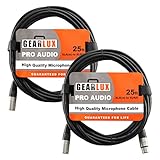
- THREE-PIN XLR CONNECTORS: Provides reliable connection for microphones...
- OXYGEN-FREE COPPER (OFC) CORE: Built with OFC cores and copper braided...
- PROFESSIONAL-GRADE CABLE: Designed to perform well in both studio settings...
The Gearlux XLR Microphone Cable is a reliable choice for both studio and live sound applications. It features high-quality copper conductors that ensure excellent signal transmission with minimal loss, maintaining the integrity of your audio. The cable is equipped with durable braided shielding, providing effective protection against electromagnetic interference (EMI) and radio frequency interference (RFI), which are common culprits of unwanted noise in audio setups.
One of the key advantages of the Gearlux cable is its robust build quality. The connectors are designed for secure and stable connections, reducing the risk of accidental disconnections during performances or recording sessions. Additionally, the cable jacket is made from a flexible yet tough material that resists wear and tear, making it suitable for frequent handling and movement.
The Gearlux XLR cable also minimizes handling noise, thanks to its thoughtful construction that reduces the triboelectric effect—the noise generated when cables rub against surfaces or are moved around. This feature is particularly beneficial for live sound engineers and musicians who need cables that perform consistently under pressure.
Affordable without compromising on quality, the Gearlux XLR Microphone Cable offers an excellent balance of performance and value. Whether you’re setting up a home studio or managing a live event, this cable can help ensure your microphones deliver clear, interference-free audio every time.
Amazon Basics XLR Male to Female Microphone Cable

- IN THE BOX: 10-foot XLR male to female microphone cable for XLR-compatible...
- CLEAR TRANSMISSION: All-copper conductors with inner copper spiral...
- DURABLE DESIGN: Zinc alloy 3-pin connectors with nickeling; protective...

The Amazon Basics XLR Male to Female Microphone Cable is a popular budget-friendly option for those seeking reliable performance without breaking the bank. This cable features standard copper conductors that provide decent signal transmission for everyday use. While it may not have the advanced shielding or premium materials found in higher-end cables, it still offers adequate protection against common electromagnetic and radio frequency interference in typical environments.
One of the main advantages of the Amazon Basics cable is its affordability, making it an excellent choice for beginners, hobbyists, or anyone needing extra cables for less demanding setups. The connectors are designed to fit securely, ensuring stable connections during performances or recording sessions. However, users should be aware that these cables may not be as durable or flexible as more expensive alternatives, and their shielding might be insufficient in environments with heavy interference.
Despite these limitations, the Amazon Basics XLR cable performs well for basic applications such as home studios, podcasting, or small live gigs where extreme durability and top-tier noise rejection are less critical. It is also a convenient option for those who need to stock multiple cables without a significant investment.
For users looking to upgrade from cheap cables but not ready to invest in premium brands, the Amazon Basics cable serves as a solid stepping stone. It demonstrates that even budget cables can offer reliable audio transmission when handled with care and used in appropriate settings. Still, for professional or high-interference environments, considering cables with enhanced shielding, such as star quad designs or braided shielding, is advisable to ensure optimal sound quality and noise rejection.
Conclusion
Good microphone cables is essential for achieving clear, reliable, and interference-free audio. Think of copper conductors as the secret highways carrying your audio with lightning-fast clarity, while shielding acts like a superhero cape, blocking out all the pesky interference villains. Top-notch connectors and solid build quality mean your cables won’t just survive—they’ll thrive, no matter how wild your gigs or intense your studio sessions get. Quality cables deliver the kind of performance that makes your sound pop and your gear sing. And if you’re on a budget, there are affordable options that hold their own when the stakes aren’t sky-high. Remember, your signal chain is only as strong as its weakest link, so picking cables that suit your style and setup is like giving your microphones a VIP pass to audio excellence.
FAQ
Are high quality XLR cables really worth it?
Yes, investing in high quality XLR cables can make a noticeable difference in your audio setup. Quality cables offer better shielding against electromagnetic interference (EMI) and radio frequency interference (RFI), which helps maintain a clean signal with minimal noise. They also tend to use superior copper conductors and connectors that ensure durability and consistent performance over time. While cheap cables may work initially, they often have smaller conductors, less shielding, and lower-quality connectors, which can degrade sound quality and reliability after a few months of use.
What is microphone cable shielding, and why does it matter?
Microphone cable shielding is a protective layer that surrounds the internal conductors of the cable to block external interference. Common types include braided shielding, foil shielding, and serve shielding. Braided shielding is often preferred for its flexibility and excellent coverage, while foil shielding offers a lighter, thinner option. Star quad cables, which use four copper wires twisted together, provide enhanced noise rejection by minimizing the loop area that picks up interference. Proper shielding is crucial in environments with lots of electrical equipment or radio signals to prevent unwanted noise from affecting your recordings or live sound.
How do star quad cables differ from standard XLR cables?
Star quad cables use four copper conductors arranged in a specific twisted pattern to reduce electromagnetic interference more effectively than standard two-conductor XLR cables. This design improves noise rejection by about 20 dB, making star quad cables especially useful in high-interference environments such as live sound venues or studios with lots of gear. While star quad cables often cost more, many audio professionals find the improved sound quality and reduced handling noise worth the investment.
Can I daisy chain XLR cables to extend length?
Yes, you can connect multiple XLR cables together to achieve longer lengths, theoretically up to 1000 feet (300 meters). However, the quality of the cables, connectors, and shielding will affect the signal integrity over long distances. Using high-quality cables like those with star quad design and good shielding will help maintain sound quality when daisy chaining. It’s generally best to use the shortest cable length necessary to minimize potential signal loss or interference.