What is a Guitar for Kids?
A guitar for kids is a specially designed instrument tailored to meet the needs of young beginners. These guitars are typically smaller in size, lighter in weight, and feature necks that are easier to grip and navigate, making them more comfortable for children to hold and play. Unlike full-sized guitars, which can be bulky and challenging for small hands, kids guitars are crafted to provide a more accessible and enjoyable playing experience.
The construction of guitars for kids often incorporates materials and design elements that enhance durability, as young players may be less gentle with their instruments. Many affordable guitars for kids are designed to be smaller and easier for young players to handle. Additionally, many kids guitars come with features like lower string action, softer nylon or lighter gauge steel strings, and narrower nut widths to reduce finger strain and facilitate learning.
Benefits of learning to play Guitar
Learning to play the guitar offers numerous benefits for children beyond just acquiring a new skill. It fosters creativity, improves cognitive abilities, and enhances fine motor skills. When kids learn guitar, they engage both their hands and minds, which can boost coordination and concentration. Playing guitar also encourages self-expression and can be a great emotional outlet, helping children to manage stress and build confidence.
Cognitive and Motor Skill Development
Moreover, learning guitar promotes discipline and patience, as mastering the instrument requires regular practice and perseverance. It can also improve memory and listening skills, as children learn to recognize notes, chords, and rhythms. Socially, playing guitar can open doors to new friendships and opportunities to perform in groups, which helps develop teamwork and communication skills.
Long-Term Benefits and Musical Foundation
Starting guitar lessons at a young age can also set the foundation for a lifelong hobby or even a potential career in music. It introduces children to music theory and performance early on, which can make learning other instruments or musical concepts easier in the future. Overall, the benefits of learning guitar extend well beyond music, contributing positively to a child’s overall development and well-being.
Types of Guitars for Kids
When it comes to kids guitars, the two main categories are electric guitar and acoustic guitar. Each type offers unique benefits and suits different playing styles and preferences. Some children may find the heavier strings of acoustic guitars painful, making electric guitars a preferable option for them, especially when starting out.
Acoustic Guitar
Acoustic guitars are often the first choice for beginners because they are straightforward and do not require additional equipment like amplifiers. This portability makes them a convenient option for young learners who may not yet be ready to manage the extra gear associated with electric guitars. Within acoustic guitars, there are two primary kinds: steel string acoustic and classical guitars.
Steel String Acoustic: These guitars have metal strings that produce a bright, crisp tone. They are excellent for players interested in rock, pop, or country music. However, the steel strings can be a bit tough on younger fingers, especially for children aged 6 to 10 who are just beginning to play. Despite this, many kids find the sound and feel of steel string acoustics motivating, and they are widely used in various music styles.
Classical Guitars: Classical guitars use nylon strings, which are softer and gentler on small fingers. This makes them an excellent option for younger kids or beginners learning chord shapes and basic techniques. The nut width on classical guitars is usually wider, providing more space between strings, which can help children develop finger strength and accuracy. Additionally, nylon strings tend to have lower tension, which means less finger fatigue during practice sessions.
Electric Guitar
Small electric guitars are also a popular choice for kids, especially those drawn to rock or pop music styles. These guitars typically have a smaller body size and thinner necks, making them easier for children to handle. Electric guitars can be easier to play than acoustic guitars for kids due to their lighter string gauge and adjustable action. However, they often require additional equipment such as an amplifier and a cable, which can add to the overall cost. Many come with beginner-friendly features and accessories to make learning guitar fun and engaging. The lighter string gauge and adjustable action on electric guitars often make fretting notes easier for young players, which can encourage longer practice and faster progress. Moreover, electric guitars offer a wide range of tones and effects, allowing kids to explore different musical genres and express their creativity.
Key Factors to Consider When Choosing a Guitar for Kids
Selecting the right guitar involves more than just picking a pretty instrument. Parents and young guitar players should keep several essential factors in mind to ensure a positive learning experience.
Size Guitar and Body Size
One of the most critical considerations is the size guitar that matches the child’s age and body size. Guitars come in various sizes, such as 1/4, 1/2, 3/4 size, and full size. For example, a 3/4 size guitar is often recommended for children aged 8 to 12 years old, while smaller sizes like 1/4 or 1/2 are suitable for younger kids.
Choosing a guitar with a small body can make it easier for children to hold and play comfortably. This reduces strain and encourages longer practice sessions, which are vital for learning guitar effectively. It’s important to note that a guitar that’s too large can be intimidating and physically challenging, which might discourage a child from practicing regularly. Conversely, a guitar that’s too small might limit the child’s ability to progress as their skills develop. If a child outgrows their initial guitar, it can lead to frustration and discourage further practice.
Strings and Playability
The type of strings on a guitar greatly affects the playing experience. Nylon strings, found on classical guitars, are softer and easier on the fingers, making them ideal for beginners. Steel strings, used on steel string acoustic and electric guitars, offer a richer tone but may require more finger strength.
Parents should also consider the nut width and neck profile, as these impact how easily a child can form chord shapes and transition between notes. A narrower nut width and a slimmer neck profile can be more comfortable for small hands, allowing children to navigate the fretboard with greater ease. Additionally, the string action—the distance between the strings and the fretboard—should be low enough to facilitate pressing the strings without causing discomfort, but not so low that it causes buzzing.
Build Quality and Sound
A good guitar should have solid build quality to withstand the enthusiasm of young players. Instruments made with solid spruce tops, like the Taylor GS Mini, provide excellent tone and durability. Quality guitars produce a pleasant sound that motivates kids to practice and improve.
Durability is especially important since kids can be less gentle with their instruments. Choosing a guitar with sturdy construction and reliable hardware ensures it will hold up to regular use. Moreover, a guitar that sounds good encourages children to keep playing and developing their skills. Poor sound quality can lead to frustration and loss of interest.
Accessories and Extras
Many kids guitars come with accessories such as a gig bag, tuner, and picks, which are helpful for beginners. Having these extras makes it easier for children to take care of their instrument and stay engaged in learning guitar. A gig bag allows for safe and convenient transportation, while a tuner helps maintain the guitar’s sound quality by keeping it in tune. Picks designed for beginners can also make strumming easier and more comfortable. A spare set of guitar strings can be important for maintenance, as strings may break and need to be replaced.
Some guitars also come with instructional materials or access to online lessons, which can be valuable tools for young learners. These resources provide guidance and structure, helping children build foundational skills and stay motivated. Additionally, parents might consider investing in a guitar strap for kids who wish to play standing up, as it provides support and comfort during practice sessions or performances.
Top Guitars for Kids
Taylor GS Mini Sapele

- Ebony Fingerboard - Natural with Black Pickguard
- 6-string Acoustic Guitar with Spruce Top
- Layered Sapele Back Sides
The Taylor GS Mini Sapele is a popular choice among the best guitars for kids due to its compact size, excellent build quality, and rich tone. This guitar features a solid spruce top paired with sapele back and sides, which provide a warm, balanced sound that is both inviting and inspiring for young players. Its smaller body size makes it comfortable for children aged 8 and up to hold and play, while still delivering the tonal qualities of a full-sized guitar.
One of the standout features of the GS Mini is its playability. The neck is slim and easy to navigate, which helps kids develop proper finger positioning and chord shapes without strain. The guitar also comes with a gig bag, making it convenient for transporting to lessons or practice sessions. While the Taylor GS Mini is a bit more of an investment compared to entry-level models, its durability and sound quality make it a worthwhile choice that children can grow into, reducing the need for frequent upgrades.
Parents often appreciate the GS Mini not only for its performance but also for its stylish design and the reputable Taylor craftsmanship behind it. This particular guitar is suitable for children who have shown a serious interest in learning guitar and are ready for an instrument that supports their progress with professional-grade features in a kid-friendly package.
Fender FA-125 Dreadnought Acoustic Guitar

- BOLD DREADNOUGHT ACOUSTIC TONE: The full-size dreadnought body shape is...
- DURABLE ALL-LAMINATE BUILD: The all-laminate construction makes this guitar...
- MODERN 3+3 HEADSTOCK & VIKING BRIDGE: Equipped with a contemporary...
The Fender FA-125 Dreadnought Acoustic Guitar is another excellent option among the best guitars for kids, especially for those who are ready to move beyond the smallest sizes but still need a manageable instrument. This guitar features a full dreadnought body style, which is known for its rich, resonant sound and versatility across many music genres, from folk and country to rock and pop.
Despite its full-size body, the FA-125 is designed with beginners in mind. It has a slim neck profile and a comfortable nut width, making it easier for kids to form chord shapes and navigate the fretboard. The guitar’s solid spruce top contributes to a bright, clear tone that can inspire young players to practice more often. Its laminated mahogany back and sides provide durability and a warm tonal balance, making it a well-rounded instrument for beginners.
The Fender FA-125 also comes equipped with a gig bag, which is great for transporting the guitar to lessons or performances safely. Its affordability combined with reliable build quality makes it a popular choice among parents looking for a good guitar that won’t compromise on sound or playability. For children aged 8 and older who are serious about learning guitar, the FA-125 offers a solid stepping stone between smaller-sized guitars and full adult models.
This particular guitar is a good example of how a well-made instrument can make a big difference in a child’s playing experience. It encourages proper technique and provides a satisfying tone that keeps young players motivated. Additionally, Fender’s reputation as a trusted brand in the guitar world adds confidence for parents investing in their child’s musical journey.
Yamaha JR1 FG Junior 3/4 Size Acoustic Guitar

- The FG Junior is a 3/4 sized guitar modeled after the acclaimed Yamaha FG...
- The JR1 has a smaller body and shorter neck, perfect for young players or...
- Yamaha craftsmanship and a spruce top give this compact guitar an authentic...

The Yamaha JR1 is a highly recommended 3/4 size acoustic guitar designed specifically for younger players, typically children aged 6 to 9 years old. Its smaller body and shorter scale length make it easier for kids to hold and play comfortably, helping them develop proper technique without the strain of a full-size guitar. The JR1 features a solid spruce top, which contributes to a bright and clear tone that encourages beginners to keep practicing. Similarly, the Yamaha CS40 II is a 3/4-size classical guitar with nylon strings recommended for younger children due to its softness on small fingers. This combination of playability and value makes the Yamaha JR1 an excellent choice for beginners.
One of the standout features of the Yamaha JR1 is its excellent build quality at an affordable price point, making it a pretty great option for parents looking for a durable and reliable guitar. The guitar is also known for its playability, with a smooth neck profile and well-set action that reduces finger fatigue. Additionally, it comes with a gig bag, which is a helpful accessory for transporting the guitar to lessons or practice sessions.
The Yamaha JR1 strikes a good balance between being a true musical instrument and being accessible for younger kids, avoiding the feel of a toy guitar. Its size and sound quality make it a particular guitar that many beginners can grow into, providing a solid foundation for learning guitar. For parents considering the best guitars for kids, the Yamaha JR1 offers a whole lot of value and is a smart choice to help nurture a child’s passion for music.
Grestch Jim Dandy Parlor
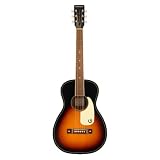
- Acoustic Guitar with Laminate Top
- Walnut Fingerboard - Rex Burst
- Nato Neck
The Gretsch Jim Dandy Parlor guitar is a fantastic choice for younger players looking for a smaller, more manageable instrument that doesn’t sacrifice tone or style. Known for its distinctive retro look, this parlor guitar features a compact body size that fits comfortably in the hands of children aged 6 to 10, making it easier to hold and play for extended periods. For children interested in electric guitars, the Squier Mini Strat is a popular smaller-scale option that caters to beginners drawn to rock and pop music.
One of the key benefits of the Jim Dandy is its solid basswood construction, which contributes to a balanced and warm sound that is surprisingly full for such a small guitar. The basswood back and sides, combined with a laminated top, provide durability and a classic tonal character that appeals to both beginners and more experienced players alike.
This guitar is particularly well-suited for kids who are just starting to learn chord shapes and basic strumming patterns. Its smaller body size helps reduce fatigue and encourages more frequent practice sessions. Additionally, the Jim Dandy’s vintage aesthetic and unique design often inspire young players to pick up the guitar and explore their musical creativity.
Tips for Teaching Guitar to Kids
Teaching guitar to children requires patience and the right approach to keep the experience enjoyable and motivating.
Start with the Right Guitar: Ensure the instrument fits the child’s age group and body size to avoid frustration.
Focus on Fun: Incorporate songs by popular artists like Taylor Swift and Ed Sheeran to keep lessons engaging.
Encourage Regular Practice: Short, frequent sessions are better than long, infrequent ones.
Use Visual Aids: Chord charts and videos can help children understand chord shapes and techniques.
Involve Family Members: Playing music together can create a supportive environment for the child.
Set Realistic Goals: Break down learning into achievable steps to help children feel a sense of accomplishment.
Be Patient with Progress: Every child learns at their own pace; encourage them to enjoy the journey rather than rush.
Use Positive Reinforcement: Praise efforts and improvements to build confidence and motivation.
Make Use of Technology: Apps and online platforms tailored for teaching guitar can provide interactive and fun learning experiences.
Create a Comfortable Practice Space: Ensure the child has a quiet, well-lit area dedicated to practicing to foster focus and consistency.
Introduce Basic Music Theory: Teaching simple concepts like rhythm and note recognition can enhance understanding and playing skills.
Encourage Exploration: Allow children to experiment with different sounds and styles to find what excites them most about playing guitar.
Consider Group Lessons: Playing with peers can boost enthusiasm and provide social benefits.
Regularly Tune the Guitar: Teaching kids how to tune their guitar not only improves sound quality but also develops their ear and responsibility for their instrument.
- Be a Role Model: If possible, parents or family members playing guitar can inspire children and make learning a shared activity.
Conclusion
Finding the perfect guitar for a child is about sparking joy and nurturing a lifelong passion for music. The right instrument feels like an extension of their creativity, fitting comfortably in their hands and inspiring them to explore new sounds and rhythms. With patience, encouragement, and a guitar that suits their size and style, young players can embark on an exciting musical journey full of discovery and fun.
FAQ
What is the best age for a child to start learning guitar?
Many experts recommend starting guitar lessons around age 6 or older, as children typically have the finger strength and coordination needed to handle a guitar comfortably by then. However, every child develops differently, so readiness may vary.
How do I choose the right size guitar for my child?
Selecting the correct guitar size is crucial for a positive learning experience. Guitars come in sizes like 1/4, 1/2, 3/4, and full size. Smaller sizes such as 1/4 or 1/2 are suitable for younger kids, while 3/4 size guitars fit older children, typically aged 8 to 12. A small body and shorter scale length make the guitar easier to hold and play.
Should my child start with an acoustic or electric guitar?
The choice depends on your child’s musical interests and practical needs. Acoustic guitars are portable and require no extra equipment, making them great for beginners. Electric guitars have lighter strings and thinner necks, which can be easier for some kids, especially those interested in rock or pop music. Both types offer unique benefits.
How much should I spend on a guitar for my child?
If unsure about your child’s long-term interest, start with a budget-friendly guitar under $200. This lets your child explore without a large investment. For committed learners, investing $300 to $500 can provide better playability and sound quality, supporting their growth as a guitar player.
Where can I buy a good guitar for kids?
Local music stores are ideal for purchasing kids guitars because they offer hands-on experience, expert advice, and setup services to ensure the instrument is comfortable to play. Online retailers provide variety, but buying locally often results in a better overall experience.