What is a Tin Whistle?
The tin whistle, also known as the penny whistle, is a simple yet captivating musical instrument essential to traditional Irish music and beyond. Part of the fipple flute family, including recorders and Native American flutes, it features six finger holes and a fipple mouthpiece that directs breath to produce a clear, bright tone.
The modern tin whistle dates back to 1843 when Robert Clarke created the Clarke Tin Whistle in Suffolk, England, often considered the original whistle. Also called the Irish whistle or feadóg stáin, this instrument is valued for its affordability, portability, and ease of learning, making it an excellent choice for beginner whistles.
Widely used in Irish traditional music and other folk music traditions worldwide, including the penny whistle music of South Africa and Malawi, the tin whistle’s versatility and charming sound continue to inspire musicians of all levels. Its clear tone and exceptional playability make it a beloved instrument for both casual players and professional musicians alike.
Types of Tin Whistles
High Whistles
Tin whistles come in a variety of types, each suited to different musical styles and player preferences. The most common distinction is between high whistles and low whistles. High whistles, often pitched in the key of high D, are smaller and produce a bright, piercing sound that cuts through in lively sessions and solo performances. They are the traditional choice for many Irish whistle players and are excellent for playing fast reels and jigs. The main difference between high and low whistles lies in their pitch and tonal quality, with high whistles offering a louder and more penetrating sound.
Low Whistles
Low whistles, on the other hand, are larger and tuned an octave lower than their high whistle counterparts, typically in low D. These whistles have a deeper, more mellow sound that blends beautifully with other instruments such as the Irish flute and uilleann pipes. Low whistles are favored in slower airs and more contemplative pieces, offering a rich, warm tone that adds emotional depth to performances.
Material and Construction Variations
Beyond pitch, tin whistles also vary by material and construction. Traditional tin whistles are usually made from brass with a plastic mouthpiece, but wooden whistles have gained popularity for their unique tonal qualities. Wooden whistles often feature a wooden fipple, which contributes to their warm and mellow sound, preferred by many players in traditional Irish music settings. Additionally, some whistles are tunable, allowing players to adjust the tuning slide to match other instruments or accommodate changes in temperature and breath pressure.
Variety of Keys
Another variation is the presence of different keys beyond the standard D. While D is the most common key due to its compatibility with traditional Irish music, whistles are available in keys such as C, F, G, and even Eb. This variety allows players to explore different musical genres and tonal ranges, expanding their expressive possibilities. Expensive whistles often offer a wider range of keys and superior tuning precision, appealing to professional musicians seeking the best tin whistles for their performances.
Best Tin Whistle
Clarke Original D Tinwhistle
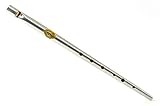
- Clarke Original D Tinwhistle - Special Edition 200th Anniversary - Made in...
- Historically Correct Tinwhistle with Wooden Mouthpiece and Tapered Metal...
- Mellow, Melodic, Slightly Breathy Sound with good Volume
The Clarke Original D Tinwhistle is widely regarded as the quintessential beginner’s instrument and a staple among tin whistle enthusiasts. Known for its historical significance as the first commercially produced tin whistle, it carries the legacy of Robert Clarke’s craftsmanship from 1843. This whistle features a wooden fipple, which imparts a distinctive breathy and warm tone that many players find appealing. Its conical bore design ensures an excellent tone and clear projection, making it suitable for both solo playing and group sessions.
Made primarily from tin with a durable finish, the Clarke Original is lightweight and easy to handle, perfect for players who are just starting out or looking to add a reliable whistle to their collection. The standard key of D aligns perfectly with traditional Irish music, allowing players to join in with other instruments effortlessly. Its design requires less air compared to some other whistles, which helps beginners develop breath control and play for extended periods without fatigue.
Beyond its beginner-friendly qualities, the Clarke Original D Tinwhistle is cherished by professional musicians for its authentic sound and consistent tuning. Its rich history and distinctive tonal character have made it a favorite choice worldwide, embodying the essence of the humble tin whistle in Irish traditional music.
Clarke Sweetone Tinwhistle

- Precision Plastic Mouthpiece with Tapered Metal Body
- Fingering Chart,Song Sheet and Suede Cloth Bag Included
- Excellent choice for both beginner or advanced musicians with clear, crisp...
The Clarke Sweetone Tinwhistle is a popular choice among beginners and intermediate players alike. Known for its distinctive wooden underlip, this whistle offers a breathy, warm tone that sets it apart from many other tin whistles on the market. The Clarke Sweetone maintains the traditional conical bore design, which contributes to its clear and balanced sound across all notes. Made from durable tin with a plastic mouthpiece, it combines classic craftsmanship with modern manufacturing techniques.
This whistle is particularly favored for its excellent value, providing an authentic Irish tin whistle experience without the premium price tag. Its standard key of D makes it ideal for playing traditional Irish music and Celtic music styles, allowing players to easily join sessions and play along with other instruments. The Clarke Sweetone is also praised for requiring less air than some other whistles, making it more comfortable for extended playing sessions.
As one of the best whistles for those starting their musical journey, the Clarke Sweetone offers a reliable and enjoyable playing experience. Its robust build and exceptional tone have made it a staple among whistle players worldwide. Whether you’re looking for your first whistle or an inexpensive whistle to add to your collection, the Clarke Sweetone Tinwhistle is a dependable and charming option.
Sondery Irish Tin Whistles

- Premium Quality: Crafted from high-quality material, this whistle is built...
- Versatile Instrument: The Irish whistle is a versatile instrument suitable...
- Easy to Play: This whistle is designed to be easy to play, even for...
Sondery Irish Tin Whistles have quickly gained popularity among both beginners and seasoned players for their exceptional blend of quality, affordability, and traditional craftsmanship. Crafted with attention to detail, these whistles are designed to produce a clear tone with excellent projection, making them suitable for a wide range of musical settings from lively sessions to solo performances.
One of the standout features of Sondery whistles is their use of durable materials such as brass and nickel-plated finishes, which contribute to their bright, vibrant sound. Many models include a plastic mouthpiece for comfort and ease of play, while maintaining the classic conical bore that ensures consistent tuning and clear tone across all notes.
Sondery offers whistles in various keys, with a strong emphasis on the standard D key, making them an excellent choice for traditional Irish music players. Their whistles are praised for being beginner-friendly due to their responsive breath control requirements and smooth finger hole placement, which helps new players develop their skills quickly.
In addition to their quality sound and playability, Sondery whistles are known for their attractive designs, often featuring intricate engravings and polished finishes that appeal to musicians who appreciate both aesthetics and performance. This combination of features makes Sondery Irish Tin Whistles a compelling option for anyone looking to invest in a reliable and enjoyable instrument, whether as a first whistle or a valued addition to an existing collection.
Sondery exemplifies the best qualities of the humble tin whistle, balancing tradition with modern manufacturing techniques to deliver an instrument that honors Irish musical heritage while meeting the needs of today’s players.
Conclusion
Whether you’re drawn to the bright, lively notes of a high whistle or the rich, mellow tones of a low whistle, the tin whistle offers a world of musical expression that spans traditional Irish music and beyond. Its simple design belies the depth of sound and emotion it can convey, making it a cherished companion for musicians at every stage. Embrace the joy of breath control and explore the diverse materials and keys to find the whistle that resonates with your unique style and spirit.
FAQ
How does the material of a tin whistle affect its sound?
The material of a tin whistle greatly influences its tonal qualities. Brass whistles tend to produce a bright and clear tone with good projection, while wooden whistles offer a warm, mellow sound favored in traditional Irish music settings. Aluminium whistles often provide a balance between brightness and warmth. Additionally, whistles with wooden fipples contribute to a softer, more natural tone. Choosing the material depends on personal preference and the style of music you wish to play.
What is the difference between high whistles and low whistles?
High whistles are smaller and pitched higher, usually in the key of high D, producing a bright and piercing sound ideal for lively tunes like reels and jigs. Low whistles are larger and tuned an octave lower, typically in low D, resulting in a deeper, more mellow sound that blends well with other traditional Irish instruments such as the Irish flute and uilleann pipes. Low whistles are preferred for slower airs and more contemplative pieces.
Are tunable whistles worth the investment?
Tunable whistles feature an adjustable tuning slide, allowing players to fine-tune the pitch to match other instruments or compensate for changes in temperature and breath pressure. This is especially valuable in ensemble settings or sessions where precise tuning is important. While non-tunable whistles are suitable for casual playing, investing in a professional tin whistle with tuning capabilities can enhance your musical experience and ensure excellent tone and harmony.
How does temperature affect tin whistle tuning?
Temperature can affect the tuning of tin whistles. Warmer temperatures typically cause the whistle to play sharper, while colder temperatures can make it sound flatter. This is due to the expansion and contraction of the instrument materials and the change in air density. Players often need to adjust their breath control or use tunable whistles to maintain proper tuning during different playing conditions.
Who are some notable tin whistle players to listen to?
Several renowned tin whistle players have significantly influenced traditional Irish music and beyond. Brian Finnegan is celebrated for his fast-tempo playing and crisp ornamentation. Mary Bergin is known for her passionate and technically skilled style, often regarded as one of the best female whistle players. Micho Russell, considered Ireland’s whistling ambassador, was famous for his rhythmic playing style. Listening to these artists can provide inspiration and insight into the expressive capabilities of the tin whistle.
Clarke Sweetone Tinwhistle
The Clarke Sweetone Tinwhistle is a popular choice among beginners and intermediate players alike. Known for its distinctive wooden underlip, this whistle offers a breathy, warm tone that sets it apart from many other tin whistles on the market. The Clarke Sweetone maintains the traditional conical bore design, which contributes to its clear and balanced sound across all notes. Made from durable tin with a plastic mouthpiece, it combines classic craftsmanship with modern manufacturing techniques.
This whistle is particularly favored for its excellent value, providing an authentic Irish tin whistle experience without the premium price tag. Its standard key of D makes it ideal for playing traditional Irish music and Celtic music styles, allowing players to easily join sessions and play along with other instruments. The Clarke Sweetone is also praised for requiring less air than some other whistles, making it more comfortable for extended playing sessions.
As one of the best whistles for those starting their musical journey, the Clarke Sweetone offers a reliable and enjoyable playing experience. Its robust build and exceptional tone have made it a staple among whistle players worldwide. Whether you’re looking for your first whistle or an inexpensive whistle to add to your collection, the Clarke Sweetone Tinwhistle is a dependable and charming option.
Sondery Irish Tin Whistles
Sondery Irish Tin Whistles have quickly gained popularity among both beginners and seasoned players for their exceptional blend of quality, affordability, and traditional craftsmanship. Crafted with attention to detail, these whistles are designed to produce a clear tone with excellent projection, making them suitable for a wide range of musical settings from lively sessions to solo performances.
One of the standout features of Sondery whistles is their use of durable materials such as brass and nickel-plated finishes, which contribute to their bright, vibrant sound. Many models include a plastic mouthpiece for comfort and ease of play, while maintaining the classic conical bore that ensures consistent tuning and clear tone across all notes.
Sondery offers whistles in various keys, with a strong emphasis on the standard D key, making them an excellent choice for traditional Irish music players. Their whistles are praised for being beginner-friendly due to their responsive breath control requirements and smooth finger hole placement, which helps new players develop their skills quickly.
In addition to their quality sound and playability, Sondery whistles are known for their attractive designs, often featuring intricate engravings and polished finishes that appeal to musicians who appreciate both aesthetics and performance. This combination of features makes Sondery Irish Tin Whistles a compelling option for anyone looking to invest in a reliable and enjoyable instrument, whether as a first whistle or a valued addition to an existing collection.
Sondery exemplifies the best qualities of the humble tin whistle, balancing tradition with modern manufacturing techniques to deliver an instrument that honors Irish musical heritage while meeting the needs of today’s players.
Conclusion
Whether you’re drawn to the bright, lively notes of a high whistle or the rich, mellow tones of a low whistle, the tin whistle offers a world of musical expression that spans traditional Irish music and beyond. Its simple design belies the depth of sound and emotion it can convey, making it a cherished companion for musicians at every stage. Embrace the joy of breath control and explore the diverse materials and keys to find the whistle that resonates with your unique style and spirit.
FAQ
How does the material of a tin whistle affect its sound?
The material of a tin whistle greatly influences its tonal qualities. Brass whistles tend to produce a bright and clear tone with good projection, while wooden whistles offer a warm, mellow sound favored in traditional Irish music settings. Aluminium whistles often provide a balance between brightness and warmth. Additionally, whistles with wooden fipples contribute to a softer, more natural tone. Choosing the material depends on personal preference and the style of music you wish to play.
What is the difference between high whistles and low whistles?
High whistles are smaller and pitched higher, usually in the key of high D, producing a bright and piercing sound ideal for lively tunes like reels and jigs. Low whistles are larger and tuned an octave lower, typically in low D, resulting in a deeper, more mellow sound that blends well with other traditional Irish instruments such as the Irish flute and uilleann pipes. Low whistles are preferred for slower airs and more contemplative pieces.
Are tunable whistles worth the investment?
Tunable whistles feature an adjustable tuning slide, allowing players to fine-tune the pitch to match other instruments or compensate for changes in temperature and breath pressure. This is especially valuable in ensemble settings or sessions where precise tuning is important. While non-tunable whistles are suitable for casual playing, investing in a professional tin whistle with tuning capabilities can enhance your musical experience and ensure excellent tone and harmony.
How does temperature affect tin whistle tuning?
Temperature can affect the tuning of tin whistles. Warmer temperatures typically cause the whistle to play sharper, while colder temperatures can make it sound flatter. This is due to the expansion and contraction of the instrument materials and the change in air density. Players often need to adjust their breath control or use tunable whistles to maintain proper tuning during different playing conditions.
Who are some notable tin whistle players to listen to?
Several renowned tin whistle players have significantly influenced traditional Irish music and beyond. Brian Finnegan is celebrated for his fast-tempo playing and crisp ornamentation. Mary Bergin is known for her passionate and technically skilled style, often regarded as one of the best female whistle players. Micho Russell, considered Ireland’s whistling ambassador, was famous for his rhythmic playing style. Listening to these artists can provide inspiration and insight into the expressive capabilities of the tin whistle.