What are DSLR Microphones?
DSLR microphones are specialized external microphones designed to enhance the audio recording capabilities of DSLR cameras during video recording. While most DSLR cameras come equipped with an inbuilt microphone, these built-in mics often deliver audio that is bearable but lacks the clarity, depth, and richness needed for professional-quality sound. DSLR microphones are crafted to address these shortcomings by capturing high-quality audio with minimal background noise, making them essential equipment for videographers, content creators, and filmmakers seeking excellent sound quality.
These microphones come in various types, including shotgun mics, lavalier mics, handheld mics, and condenser microphones, each suited for different recording scenarios and environments. Shotgun microphones, for example, are highly directional and are excellent for isolating sound from a specific source, especially in outdoor or noisy environments. lavalier microphones, often used in interviews and vlogging, are compact and can be wired or wireless, providing hands-free operation and discrete audio capture. Handheld microphones are commonly used in interviews and broadcast settings, while condenser microphones are known for their sensitivity and ability to capture delicate audio details but may require additional power such as phantom power or plug-in power.
Using a DSLR mic significantly improves the audio quality of your video recordings by reducing unwanted ambient sounds and focusing on the intended sound source. Many DSLR microphones also feature integrated shock mounts to minimize handling noise and wind noise protection like furry windshields or windscreens, further enhancing the clarity of your recordings. Additionally, features such as built-in gain control, high-pass filters, and various polar patterns (e.g., cardioid polar pattern) allow users to tailor the microphone’s performance to their specific needs.
Key features of DSLR Microphones
Directional Pickup Patterns
Many DSLR microphones use polar patterns such as cardioid or supercardioid, which focus on capturing sound from the front while minimizing noise from the sides and rear. This directional pickup is especially beneficial for isolating the subject’s voice in noisy environments, improving overall audio clarity. These polar patterns are common in many DSLRs and help achieve excellent audio quality.
Integrated Shock Mounts
To reduce handling noise and vibrations caused by camera movement, many DSLR mics include built-in shock mounts. This feature helps maintain clean audio by absorbing unwanted mechanical sounds that can otherwise degrade recording quality. Integrated shock mounts are a key feature for ensuring professional sound in video camera setups.
Wind Noise Protection
Outdoor video recording often suffers from wind noise. Features like furry windshields (dead cats) or foam windscreens are commonly included or available as accessories to minimize wind interference, ensuring crisp audio even in breezy conditions. Using the right mic with wind noise protection is essential for recording clear sound outdoors.
Gain Control
Some DSLR microphones offer built-in gain controls, allowing users to adjust the microphone’s sensitivity directly. This helps optimize audio levels on the fly, preventing distortion or overly quiet recordings without needing to adjust settings in post-production. Gain control is an important feature when using a DSLR camera microphone to record video.
Power Options
DSLR microphones can be powered in various ways, including plug-in power from the camera, batteries (often AAA batteries), or USB power. Understanding the power requirements is important for ensuring compatibility and long battery life during shoots. Condenser mics typically require phantom power or plug-in power, while dynamic microphones generally do not need external power.
Mounting Compatibility
Most DSLR microphones are designed to attach easily to a camera shoe mount or camera shoe, providing a secure and convenient mounting solution. Some models also support boom pole mounting for more flexible positioning, which is useful for filmmakers using shotgun mics or boom microphones.
Connectivity
The majority of DSLR microphones connect via a 3.5mm mic input, but some higher-end models use XLR connectors requiring an audio interface. USB microphones are also available but may need additional adapters to work with DSLR cameras. Ensuring your mic input matches the microphone connection type is crucial for compatibility.
Wireless Capability
Wireless lavalier microphone systems include a transmitter and receiver, offering mobility and hands-free operation. These systems often feature encrypted transmission for stable audio signals and come with displays to monitor battery status and signal strength. Popular options include the Rode Wireless and Movo wireless lavalier microphone system, known for being user friendly and reliable.
High-Pass Filters
To reduce low-frequency rumble and background noise, many DSLR microphones include built-in high-pass filters. This feature is especially useful for outdoor recording or in environments with mechanical noise, helping to produce clear, professional audio recordings.
Compact and Lightweight Design
Since many DSLR users shoot on the move, microphone size and weight are critical. DSLR mics are typically designed to be compact and lightweight, making them easy to carry and mount without adding significant bulk. This user-friendly design is ideal for vloggers and run-and-gun setups using DSLR video cameras.
Best DSLR Microphones
Shure VP83F LensHopper

- Detailed, high-definition audio with full low-end response for professional...
- Highly directional super cardioid/lobar polar pattern rejects unwanted...
- Superior RF immunity to avoid against unwanted audio artifacts from...
The Shure VP83F LensHopper is a compact and robust shotgun microphone designed specifically for DSLR cameras and camcorders. It offers excellent directional audio capture, making it an ideal choice for filmmakers and content creators who want to record clear and focused sound directly from the subject while minimizing ambient noise. With its supercardioid polar pattern, the VP83F effectively isolates the audio source in front of the mic, ensuring crisp and professional-quality recordings even in challenging environments.
One of the key features of the VP83F is its integrated flash recorder, which allows users to record audio directly to a microSD card without the need for an additional recording device. This built-in recording capability provides flexibility and convenience, enabling backup recordings or standalone audio capture. The microphone also includes an integrated shock mount to reduce handling noise and vibrations caused by camera movement, resulting in cleaner audio.
The VP83F is powered by a single AA battery, offering long battery life suitable for extended shooting sessions. It connects to DSLR cameras via a 3.5mm TRS cable and mounts securely on the camera shoe mount, ensuring easy setup and reliable performance. Additional features include a low-cut filter to reduce unwanted low-frequency rumble and a gain control knob for quick adjustments to input sensitivity.
With its combination of portability, high-quality sound capture, and versatile recording options, the Shure VP83F LensHopper is an excellent choice for videographers looking to enhance their DSLR audio setup with a professional-grade shotgun microphone.
Rode VideoMic Pro+
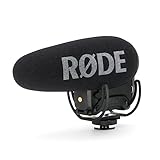
- Still with the best-in-class Rycote Lyre suspension system onboard, the...
- Automatic Power Function (with plug-in power availability) is perfect for...
- Built-in Battery Door makes replacing the battery a breeze - plus it won't...
The Rode VideoMic Pro+ is a professional-grade shotgun microphone designed specifically for DSLR cameras and camcorders. Known for its excellent sound quality and robust build, this microphone is a favorite among videographers and content creators who demand clear and precise audio capture. It features a supercardioid polar pattern that focuses on the sound source directly in front of the mic while minimizing background noise from the sides and rear, making it ideal for recording in noisy environments or outdoor settings.
One of the standout features of the VideoMic Pro+ is its integrated shock mount, which effectively reduces handling noise and vibrations caused by camera movement. This ensures that your recordings maintain clarity without unwanted rumble or mechanical sounds. Additionally, the microphone includes a built-in rechargeable battery that offers up to 100 hours of continuous use, providing long battery life for extended shooting sessions without the hassle of frequent battery changes.
The mic also comes equipped with an automatic power function that turns the microphone on and off in sync with your camera, helping to conserve battery life and simplify operation. For further audio customization, the VideoMic Pro+ offers a high-pass filter to reduce low-frequency rumble, a high-frequency boost to enhance vocal clarity, and a safety channel to prevent audio clipping during sudden loud sounds.
Mounting the microphone is straightforward, thanks to its standard camera shoe mount compatible with most DSLR cameras. It connects via a 3.5mm TRS cable to the camera’s mic input, ensuring easy setup and reliable connectivity. The microphone’s compact and lightweight design makes it highly portable, perfect for run-and-gun shooting styles, vlogging, interviews, and professional filmmaking.
With its combination of excellent sound quality, user-friendly features, and durable construction, the Rode VideoMic Pro+ stands out as one of the best DSLR microphones available for creators seeking to elevate their video audio to a professional level.
Sennheiser MKE 600 Camcorder Shotgun Microphone

- Ideal video camera/camcorder microphone: Able to handle the most demanding...
- High directivity: Picks up sounds coming from the direction in which the...
- Switchable "Low Cut" filter: Minimizes wind noise
The Sennheiser MKE 600 is a professional-grade shotgun microphone designed for use with DSLR cameras and camcorders, making it an excellent choice for filmmakers and content creators who demand high-quality audio capture. Known for its robust construction and excellent directional sound pickup, the MKE 600 effectively isolates the desired sound source while minimizing background noise, which is crucial for recording in challenging environments.
Featuring a supercardioid/lobar polar pattern, the MKE 600 focuses on capturing audio directly in front of the microphone, reducing unwanted ambient noise from the sides and rear. This makes it ideal for outdoor shoots, interviews, and any scenario where clear voice capture is essential. The microphone’s internal shock mount minimizes handling noise, ensuring that camera movements or vibrations do not interfere with the audio quality.
Powering the MKE 600 is flexible; it can operate using phantom power supplied by an audio interface or external device, or it can run on an internal AA battery, providing versatility for various shooting setups. This dual power option ensures reliable performance even when phantom power is unavailable. The microphone connects via a standard 3.5mm jack, making it compatible with most DSLR cameras and camcorders, though using an audio interface can further enhance sound quality.
Additionally, the MKE 600 includes a low-cut filter to reduce low-frequency rumble and wind noise, which is particularly beneficial when recording in outdoor or noisy environments. Its compact and lightweight design allows for easy mounting on a camera shoe or boom pole, offering flexibility in positioning to capture the best possible sound.
DJI Mic Mini
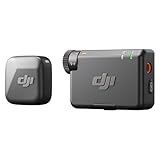
- Small but Mighty - The DJI Mic Mini lavalier microphone transmitter is...
- Detail-Rich Sound - Mic Mini wireless lavalier microphones delivers...
- Record Longer - A transmitter and a receiver offer a maximum operating time...
The DJI Mic Mini is a compact and versatile wireless microphone system designed to deliver high-quality audio for DSLR cameras and other recording devices. Its small size and lightweight design make it an excellent choice for content creators who need a portable solution without sacrificing sound quality. The system includes a transmitter and receiver, both equipped with built-in rechargeable batteries that provide long battery life, ensuring uninterrupted recording sessions.
One of the standout features of the DJI Mic Mini is its ease of use. The transmitter can be clipped onto the subject’s clothing, while the receiver mounts directly onto the DSLR camera’s shoe mount, providing a seamless and secure connection. The system operates on a 2.4 GHz wireless frequency, offering stable and interference-free audio transmission over a considerable range, suitable for most shooting environments.
The DJI Mic Mini supports high-resolution audio recording with a wide frequency response, capturing clear and natural sound. It also features a built-in microphone on the transmitter for quick setup, as well as the option to connect an external lavalier microphone for enhanced audio capture. The receiver includes a 3.5mm output jack compatible with most DSLR cameras’ mic inputs, making integration straightforward.
Additional features include an intuitive OLED display on both transmitter and receiver, showing battery status, signal strength, and audio levels, allowing users to monitor their recording in real time. The system also provides safety channel recording to prevent audio clipping and supports simultaneous recording on both transmitter and receiver for backup.
Tips To Maximize DSLR Microphone Performance
To get the best audio quality from your DSLR mic, position it close to the sound source to reduce background noise and improve clarity. Use wind noise protection like furry windshields or foam windscreens when recording outdoors. Monitor audio levels with headphones to catch issues early, and adjust gain settings on your DSLR microphone or camera to avoid distortion.
Engage built-in high-pass filters to reduce low-frequency rumble, and select the right polar pattern—such as cardioid or supercardioid—for your recording environment. Secure your mic using the camera shoe mount or boom pole, and rely on integrated shock mounts to minimize handling noise.
Keep batteries or power sources ready for long battery life, especially for condenser microphones that may require phantom power or plug-in power. Consider wireless lavalier microphone systems for hands-free operation and mobility.
Finally, test your setup before recording and, if possible, use an external audio interface or recorder for enhanced sound quality and control. These steps will help you achieve excellent audio quality with your DSLR microphone.
Conclusion
Capturing crisp, clear audio elevates every video project, turning ordinary footage into immersive experiences. Whether you’re filming on the go, conducting interviews, or creating cinematic masterpieces, the right microphone setup ensures your sound matches the quality of your visuals. Investing time and care into your audio gear and techniques will pay off with recordings that truly resonate and engage your audience.
FAQ
Why should I use an external mic with my DSLR camera?
While most DSLR cameras have built-in microphones, they often deliver audio that is bearable but lacks the depth and clarity needed for professional-quality sound. Using an external mic significantly improves audio quality by isolating the sound source, reducing ambient noise, and offering features such as gain control and wind noise protection.
What types of DSLR microphones are available?
There are several types, including shotgun microphones, lavalier microphones (wired and wireless), handheld microphones, and condenser microphones. Each type serves different recording needs: shotgun mics are highly directional and great for outdoor use; lavalier mics are compact and ideal for interviews and vlogging; handheld mics are suited for interviews and broadcast work; condenser mics capture delicate audio details but may require power.
How do I connect an external microphone to my DSLR?
Most DSLR cameras have a 3.5mm mic input for connecting external microphones. Some mics require adapters or audio interfaces, especially if they use XLR connections. USB microphones can be connected if your DSLR supports it or through an audio interface. Always check your camera’s compatibility and connection type.
Can I use wireless lavalier microphone systems with my DSLR?
Yes, wireless lavalier microphone systems are popular for DSLR use, especially in interviews and vlogging. They offer hands-free operation and mobility. However, consider factors like wireless range, latency, and battery life when choosing a system.
How can I improve audio quality when recording with a DSLR?
Position your microphone close to the sound source, monitor audio levels with headphones, use wind protection outdoors, and apply high-pass filters to reduce low-frequency noise. Adjust gain settings to avoid distortion and test your setup before recording.